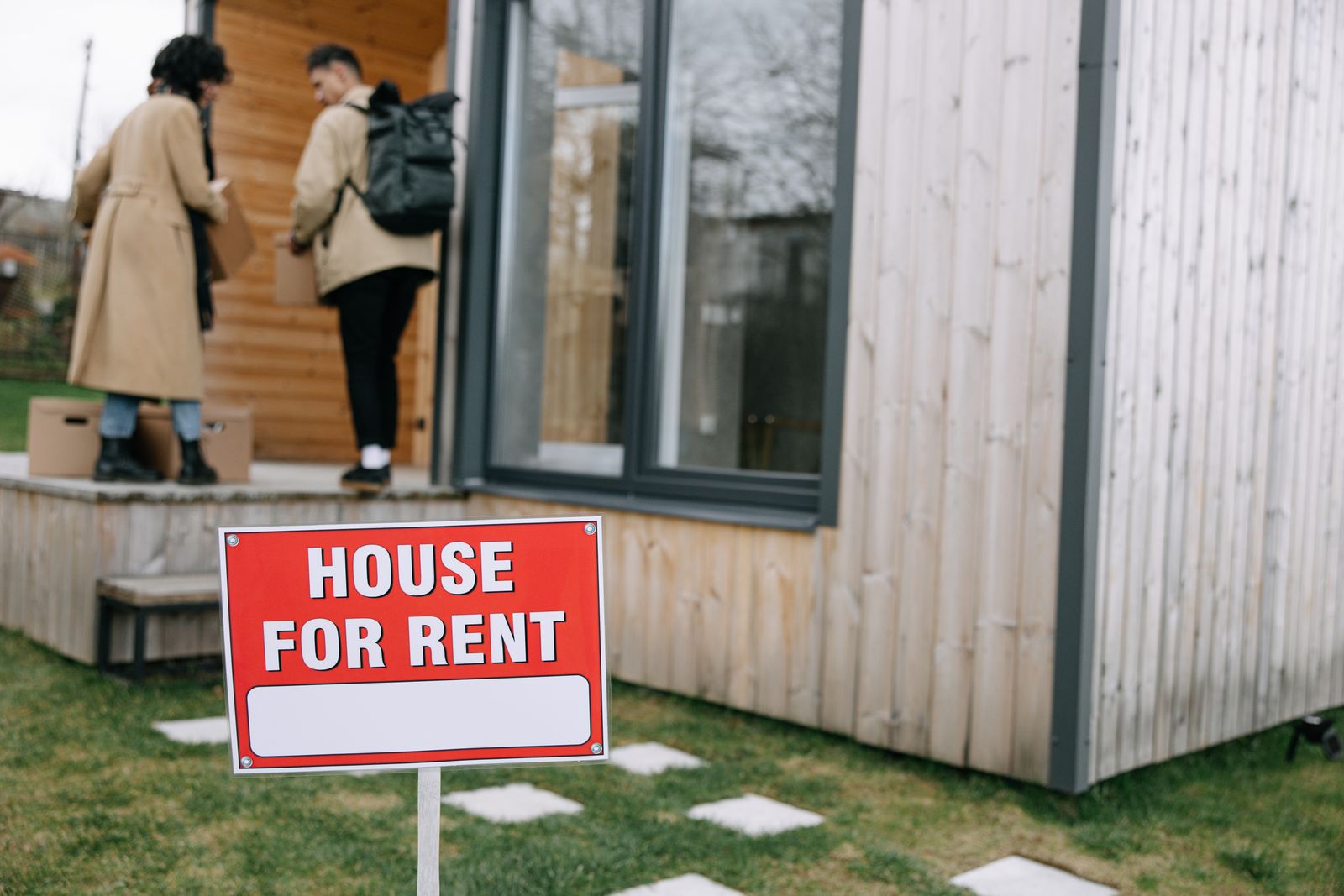
‘Move-in ready’ is one of the most reassuring phrases a buyer can read in a listing, suggesting a home that requires nothing more than unpacking boxes. In practice, the phrase is more of a marketing description than a technical standard, and plenty of genuinely move-in ready homes still come with costs that show up within the first few months of ownership.
Here are seven reasons even a truly well-maintained, updated home can require unexpected spending right out of the gate.

Cosmetic Readiness Doesn’t Mean System Readiness
A home can look completely finished, with fresh paint, updated fixtures, and clean flooring throughout, while still having a roof, water heater, or HVAC system that’s simply old rather than broken. ‘Move-in ready’ typically refers to the visual and functional state of the home at the moment of sale, not a guarantee that every major system has years of remaining life left. Buyers should look past the cosmetic finish and specifically ask about the age of major systems, since even a system that’s currently working fine can require replacement sooner than expected simply due to age.
Homeowners Insurance Requirements Can Trigger Immediate Costs
Insurers increasingly require certain conditions to be met before issuing a policy, particularly around roof age, electrical panel type, or proximity to wildfire or flood risk zones, and a home that seems move-in ready to a buyer might still trigger a requirement from the insurance company for specific upgrades or repairs before coverage is approved. Discovering this requirement during the insurance underwriting process, often close to closing, can mean an unexpected expense before you’ve even moved in.
Personalization and Preference-Based Updates
Even a beautifully finished, well-maintained home was decorated and updated according to a previous owner’s taste, and new buyers often find themselves wanting to repaint certain rooms, replace light fixtures, or make other preference-based changes almost immediately, even though nothing was technically wrong with the existing finishes. These costs aren’t necessity-driven the way a repair would be, but they’re extremely common in the first few months of ownership and are worth budgeting for separately from any true maintenance needs.
Landscaping Needs That Weren’t Obvious During a Showing
A yard that looked lush and well-kept during a spring or summer showing can reveal drainage issues, dead sections of lawn, or overgrown plantings once a new owner experiences a full year of seasons in the space. Sellers sometimes focus landscaping effort specifically on the period leading up to listing the home, and ongoing maintenance needs, like irrigation repairs or tree work, can surface once that concentrated pre-sale effort tapers off.
Appliance Age and Warranty Status
Move-in ready listings often highlight updated appliances, but ‘updated’ can mean anywhere from brand new to several years old, and appliances included in a sale rarely come with a transferable warranty unless it’s specifically negotiated. A refrigerator or dishwasher that’s a few years into its typical lifespan can fail within the first year of new ownership, and without warranty coverage, that becomes an out-of-pocket replacement cost for a home that otherwise required no obvious repairs.
Security and Smart Home System Gaps
Many move-in ready homes come with existing security systems, smart thermostats, or other connected devices, but these systems often require new service contracts, account transfers, or even full replacement if they’re tied to a previous owner’s subscription or proprietary platform that a new owner can’t access. Buyers sometimes assume these systems will simply continue working seamlessly, only to discover they need to invest in new equipment or service plans shortly after moving in.
The First-Year Cost of Simply Learning a New Home
Even a home with no actual defects comes with a learning curve, and new owners frequently spend money in the first year addressing small, home-specific quirks they couldn’t have anticipated during a showing, like unexpectedly high utility bills from an inefficient but functional HVAC system, a water pressure issue that only shows up during specific times of day, or drafts from windows that seemed fine during an inspection. Building a modest cushion into your first-year budget for these kinds of home-specific surprises is a reasonable precaution regardless of how move-in ready a home appeared at closing.
Leave a Reply