
Move-in day is chaotic enough without stopping to think about documentation, but the first day in a new home is actually the single best opportunity to capture its true condition before boxes, furniture, and daily life start changing what’s visible. Homeowners consistently report wishing they’d taken a few extra minutes for specific photos that would have saved them time, money, or arguments later.
Here are eight things worth photographing before you settle in.
Every Wall and Ceiling in Empty Rooms
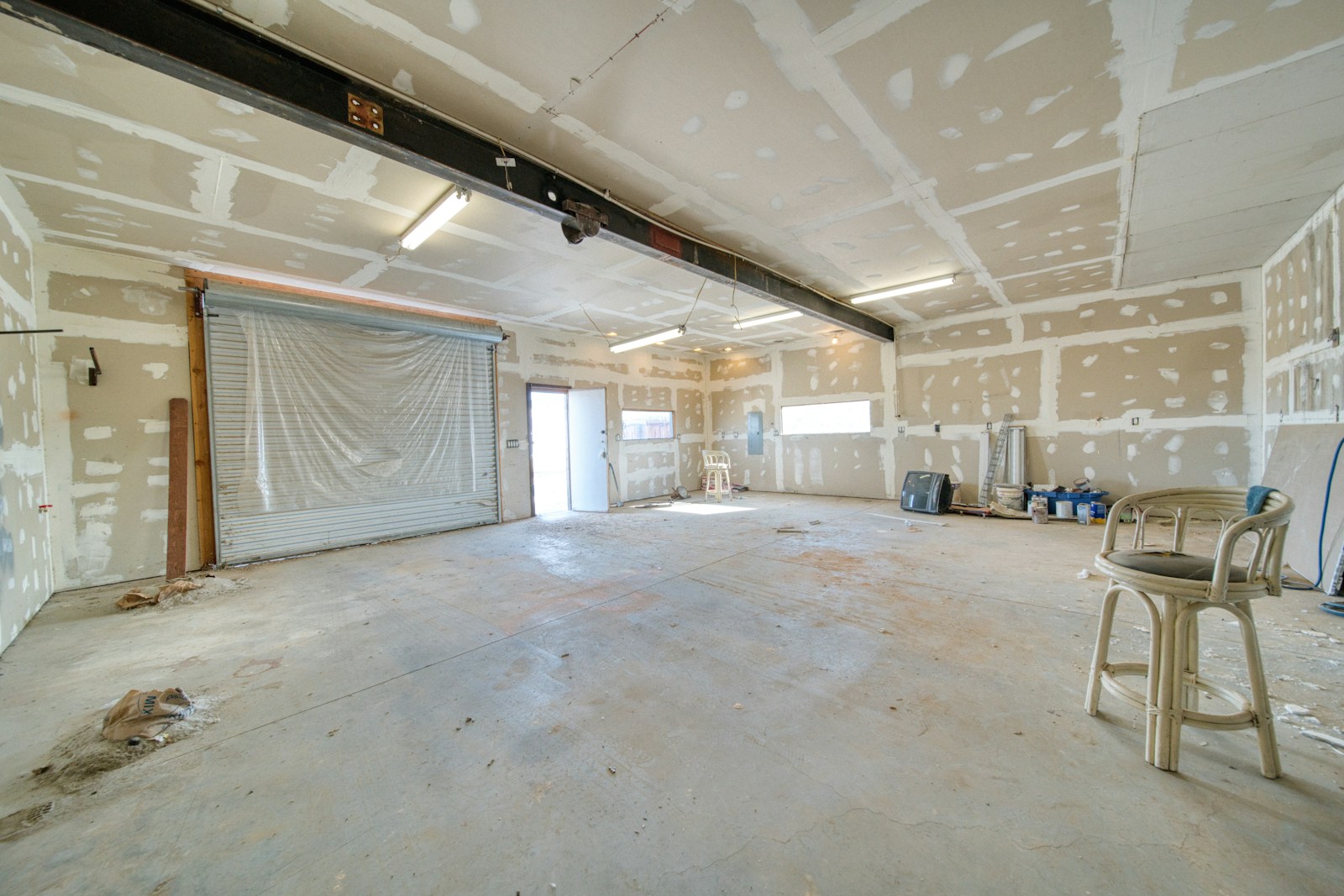
An empty room reveals every imperfection, scuff, crack, and stain that furniture will soon cover up, and having a complete photographic record of each room’s condition before you move anything in creates a clear baseline. This is useful for insurance purposes if damage occurs later, and it’s also genuinely helpful for your own memory, since it’s easy to forget which marks were already there versus which ones happened after you moved in, especially in a large home with multiple rooms.
The Condition of All Major Appliances
Photographing the interior and exterior of the refrigerator, oven, dishwasher, washer, and dryer, including any existing scratches, dents, or stains, creates documentation that’s valuable if a dispute arises with a seller over the condition of items included in the sale. It also gives you a useful baseline for tracking wear over time and can be helpful if you ever need to file a warranty claim and need to demonstrate the appliance’s original condition.
Utility Meter Readings and Shutoff Locations
Taking a clear photo of the water, gas, and electric meter readings on move-in day creates a documented starting point that can help resolve any billing disputes with utility companies during the transition of service. Photographing the locations of the main water shutoff valve, the electrical panel, and the gas shutoff, along with clear labeling if it exists, also creates a quick reference you can pull up in an emergency rather than searching for these critical points under pressure.
Any Visible Cracks in the Foundation or Walls
Documenting existing cracks in the foundation, walls, or ceilings on the day you move in establishes a clear record of their size and location before you’ve lived in the home long enough to lose track of what was already there. This is particularly useful if you ever need to assess whether a crack has grown or changed over time, since a side-by-side comparison with a clear timestamp is far more useful than relying on memory alone.
The Yard and Exterior From Multiple Angles
Photographing the full exterior and yard from several angles on move-in day, including any existing landscaping, fencing, and hardscaping, provides a useful record before you start making your own changes and forget what the original layout looked like. This documentation can also be genuinely helpful if a boundary or property line dispute with a neighbor ever arises, since it shows the property’s condition and existing features at the point of purchase.

HVAC, Water Heater, and Furnace Nameplates
Taking clear, readable photos of the manufacturer nameplates on your HVAC system, water heater, and furnace captures the model and serial numbers along with the manufacture date, which is often needed for warranty claims, ordering replacement parts, or scheduling service. These nameplates are often in hard-to-reach or awkwardly lit locations, so having a clear photo saved means you won’t need to climb back into a cramped mechanical closet every time you need that information.
Any Included Personal Property or Fixtures
If your purchase agreement included specific items, like window treatments, a shed, or particular light fixtures, photographing them in place on move-in day confirms they were actually left as agreed and documents their condition at handoff. This is useful in the rare case of a dispute over whether an included item was left behind as promised or in the condition it was described during negotiations.
Keys, Codes, and Manuals Left Behind
Photographing any keys, garage door remotes, alarm codes, or appliance manuals left by the previous owner, along with a note of what each one is for, prevents the common post-move scramble of trying to remember which key opens which door or what that mystery remote controls. This small step of documentation on day one can save a surprising amount of frustration in the weeks that follow, when the details of moving day have already started to blur together.
Leave a Reply