A landlord who goes by @josiahroebuck on Instagram posted a reel that has since pulled in more than 31 million views, and the setup alone explains why. He films himself standing outside a rental property, admits on camera that he put off walking back inside for an entire year, and then pushes the door open to show whatever his self-described “tenant from hell” left behind once the eviction was finally finished. The caption is short — “Everything changed after this,” tagged with #realestateinvesting, #landlord, #eviction and #tenant — but the walkthrough itself is doing all the storytelling.
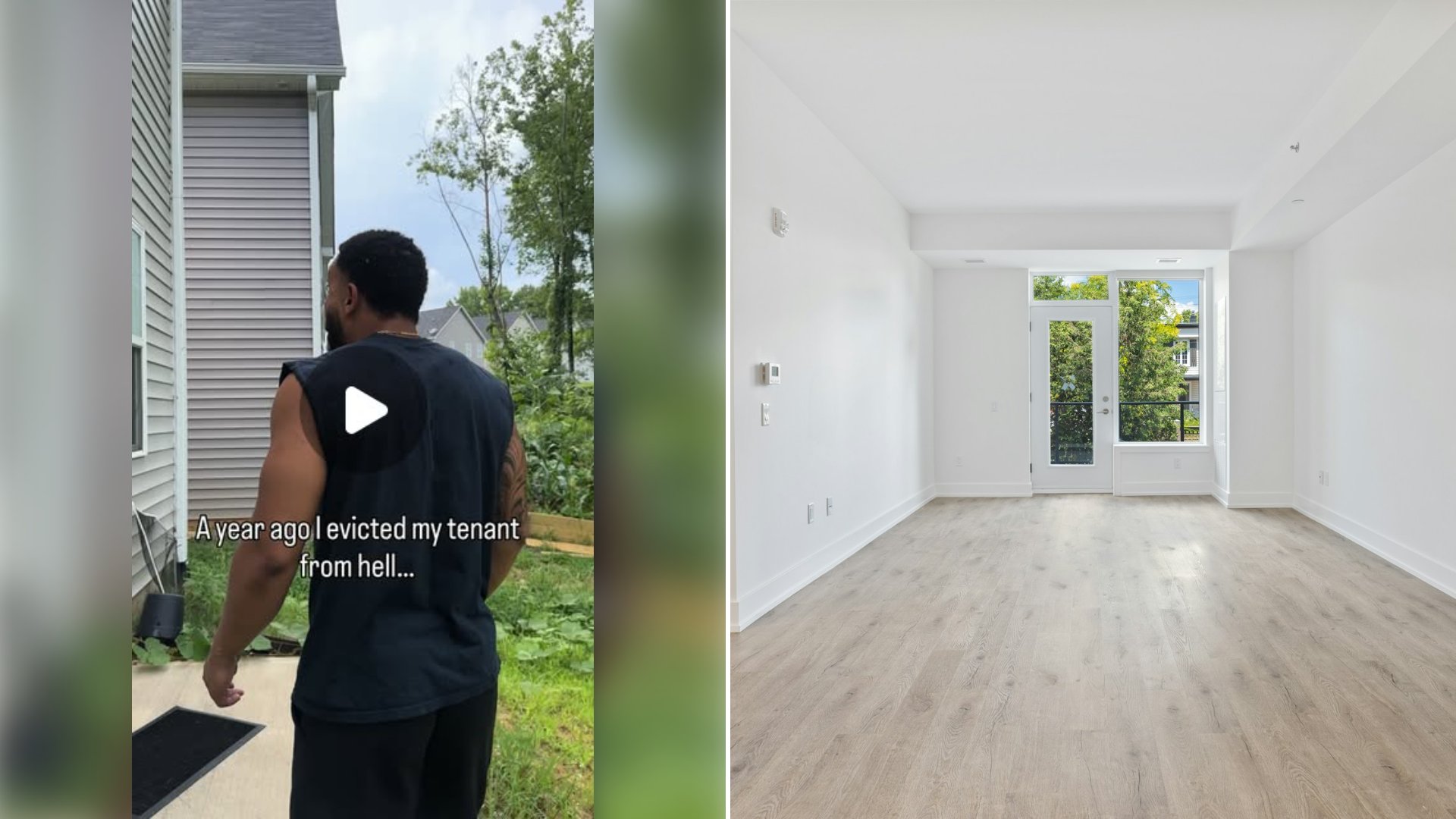
The year-long gap between the eviction ending and the landlord finally opening that door is really the heart of the video. On-screen text frames him as someone who needed time before he could face whatever state the unit was in, and the slow, almost reluctant way he steps through the entrance plays into that. Viewers are left to fill in the blanks about what exactly made him wait so long, and the comment section has largely run with worst-case theories — trashed walls, hoarded belongings, lingering odors — even though the specific “tenant from hell” framing is the landlord’s own characterization rather than anything independently documented.
Landlord horror stories like this one tend to go viral because they tap into a very real, very common fear among property owners: that a bad tenant situation will drag on indefinitely and cost far more than a few months of unpaid rent. The actual numbers behind a typical eviction help explain why that fear is so persistent. Eviction timelines vary enormously by state because each state sets its own notice periods, court procedures, and appeal windows. In landlord-friendly states with streamlined court processes, a straightforward non-payment eviction can sometimes move from initial notice to a sheriff enforcing a move-out order in as little as two to four weeks once a case is filed. In states with more tenant protections, mandatory mediation steps, or backlogged housing courts, the same process can stretch past three to six months, and contested cases with multiple continuances or appeals can take considerably longer than that.
That timeline is only the legal clock, too. It does not include the weeks a landlord typically spends afterward on cleanup, repairs, and re-listing before a new tenant can move in and rent starts flowing again. Landlords routinely describe the full cycle — from the first missed payment to a new lease being signed — as a financial sinkhole even when the eviction itself goes smoothly, since mortgage payments, utilities, insurance, and property taxes keep coming due on a unit that is generating zero income. That combination of a slow legal process and an open-ended recovery period is exactly why a single bad tenant can leave a landlord emotionally bracing for a year before they’re ready to see the damage for themselves, as this video shows.
It’s also worth noting that most jurisdictions require a landlord to go through formal legal channels no matter how bad the behavior gets — a landlord cannot simply change the locks, shut off utilities, or remove a tenant’s belongings without a court order, even in an obvious nonpayment situation. That due-process requirement, while it protects tenants from unlawful “self-help” evictions, is also part of why the process can drag out so long and why so many landlords describe the waiting period as the most stressful part of the entire ordeal, often worse than whatever condition the unit ends up in.
Stories like this one keep circulating because they validate that stress for an entire community of landlords and small-scale investors who have lived through something similar, while also feeding a broader audience’s curiosity about what actually happens behind closed doors once a tenant is finally gone. Whether or not every detail of the “tenant from hell” framing is airtight, the underlying fear — that eviction is slow, expensive, and emotionally draining long before you even see the final mess — is grounded in how the process actually works in most of the country.
More from Willow and Hearth
- Landlord Says Tenants Moved Out After 27 Years, Then Walks the Empty House for the First Time and Finds Good Floors, Stained Bedroom Carpet and a Bare Garage
- Property Owner Films a County Sheriff’s Car Arriving on Eviction Day After Six Months Without Rent and Calls the Stress a Very Real Part of Her Real Estate Journey
- Mold Remediation Contractor Says a Landlord Left the Shower Running for Two Weeks and Shows Gutted Drywall, Tossed Doors and Trim and a Ceiling Fan Beyond Saving
Leave a Reply