A personal finance creator is sharing the exact countdown to one of the biggest milestones of her financial life: the month she makes her final mortgage payment. In her latest video, she lays out specific numbers from her own payoff journey and describes the goal in strikingly simple terms, walking barefoot in her own backyard, in a house she and her family fully own, with no lender attached to it anymore.
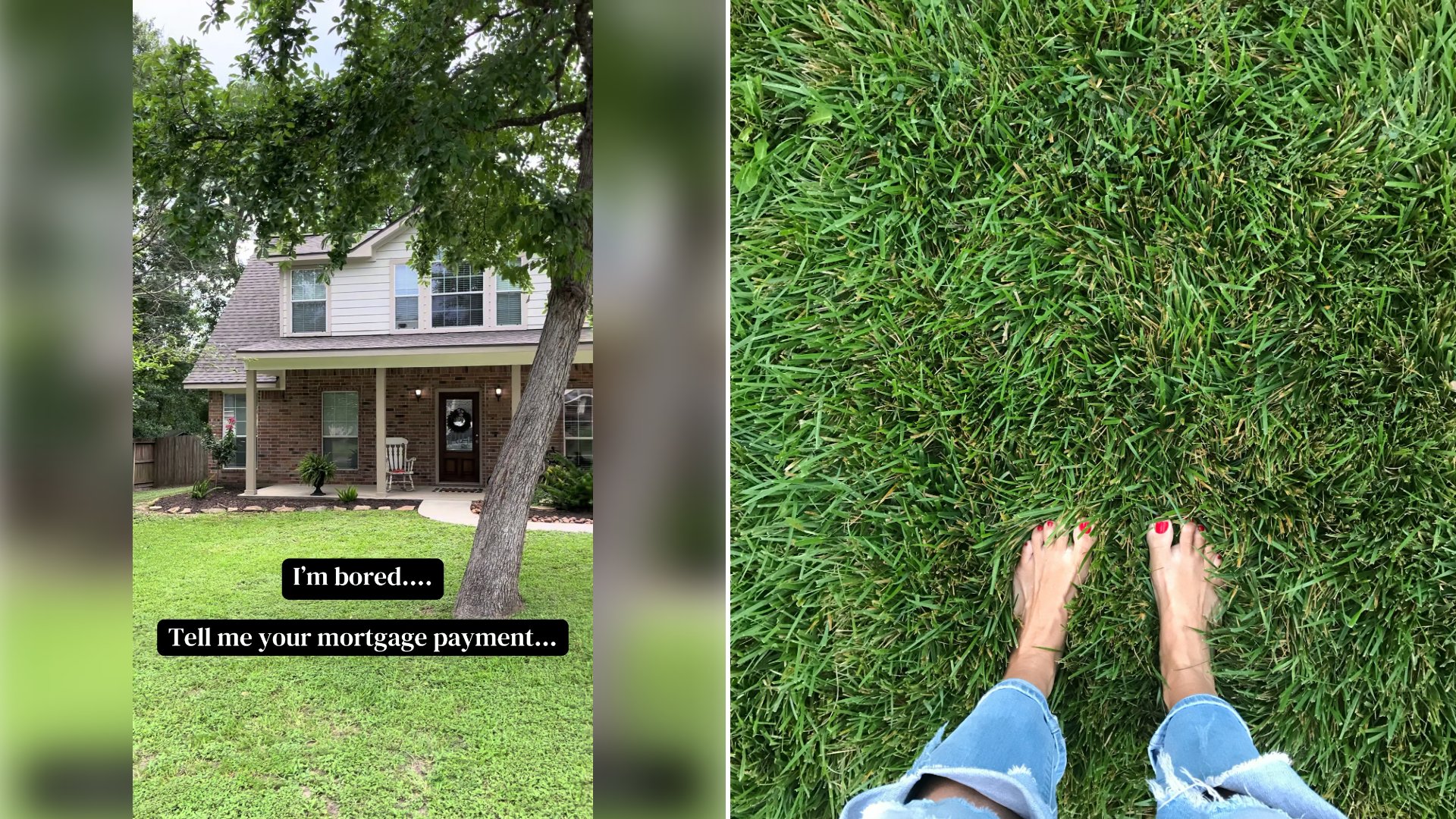
The video comes from creator @debtfreewannabee, who has documented much of her debt freedom process publicly, using a popular structured payoff program to accelerate principal payments ahead of her loan’s original schedule. She breaks down how many months remain, what she is doing differently from a standard payment plan, and why the finish line now feels close enough to picture in physical detail rather than as an abstract number on a spreadsheet.
@debtfreewannabee
A standard 30 year fixed mortgage is, by design, meant to take three decades to pay off, with the bulk of early payments going toward interest rather than principal. Households that want to finish early generally rely on one or more accelerated strategies: making extra principal payments throughout the year, switching to biweekly payments that effectively add one extra full payment annually, or refinancing into a shorter term loan once rates and equity allow it. Using these approaches consistently, many borrowers manage to cut a 30 year loan down meaningfully, with disciplined extra-payment strategies commonly shaving five to ten years or more off the original timeline, depending on the size of the extra payments relative to the loan balance.
The math behind why extra payments matter so much early in a loan comes down to amortization. Because interest is calculated on the remaining balance, every extra dollar applied to principal in the early years reduces the interest charged for the rest of the loan’s life, compounding the savings over time. That is why financial educators often emphasize that even modest, consistent overpayments, rather than one large lump sum, can meaningfully shorten a mortgage term without requiring a borrower to refinance or change loan products at all.
Current mortgage rates add extra weight to this kind of planning. With average 30 year fixed rates sitting well above where many borrowers locked in during the early 2020s, households carrying higher-rate loans have a stronger financial incentive to pay down principal aggressively, since every dollar of interest avoided is effectively a guaranteed return equal to the loan’s rate. For someone on a fixed rate in the 7 percent range, an extra principal payment is often a better guaranteed return than many conservative investment alternatives, which is part of why accelerated mortgage payoff content has found such a dedicated audience.
Whether or not every viewer follows the exact same program, the appeal of the video is less about the method and more about the finish line it describes. A paid off house removes a monthly obligation that, for most American households, is their single largest recurring expense. Turning that milestone into something as tangible as bare feet on grass in your own backyard is exactly the kind of framing that makes a years-long financial grind feel close enough to touch.
More from Willow and Hearth
- Freddie Mac Survey Puts the Average 30 Year Fixed Mortgage Rate at 7.40 Percent for October 8, Adding About $24.50 a Month to a $300,000 Loan Compared With the Week Before
- Federal Reserve Raises Its Target Range to 3.75 to 4 Percent and a Quarter Point Move in Mortgage Rates Changes a $300,000 Loan Payment by About $51 a Month
- Consumer Financial Protection Bureau Says to Compare Three Groups of Fees on Your Loan Estimate and Closing Disclosure Because Some Can Never Rise and Others Can Change by Any Amount
Leave a Reply