A popular Brooklyn real estate account, @brooklyn_apartmentrentals, built its September 23 tour the way it builds most of its viral content: start gorgeous, end with a twist. The video walks through a high-end apartment room by room — bright windows, finished floors, the kind of kitchen that photographs well for a listing — before landing on one specific, quirky flaw in the final room that the caption promises renters should know about before signing anything.
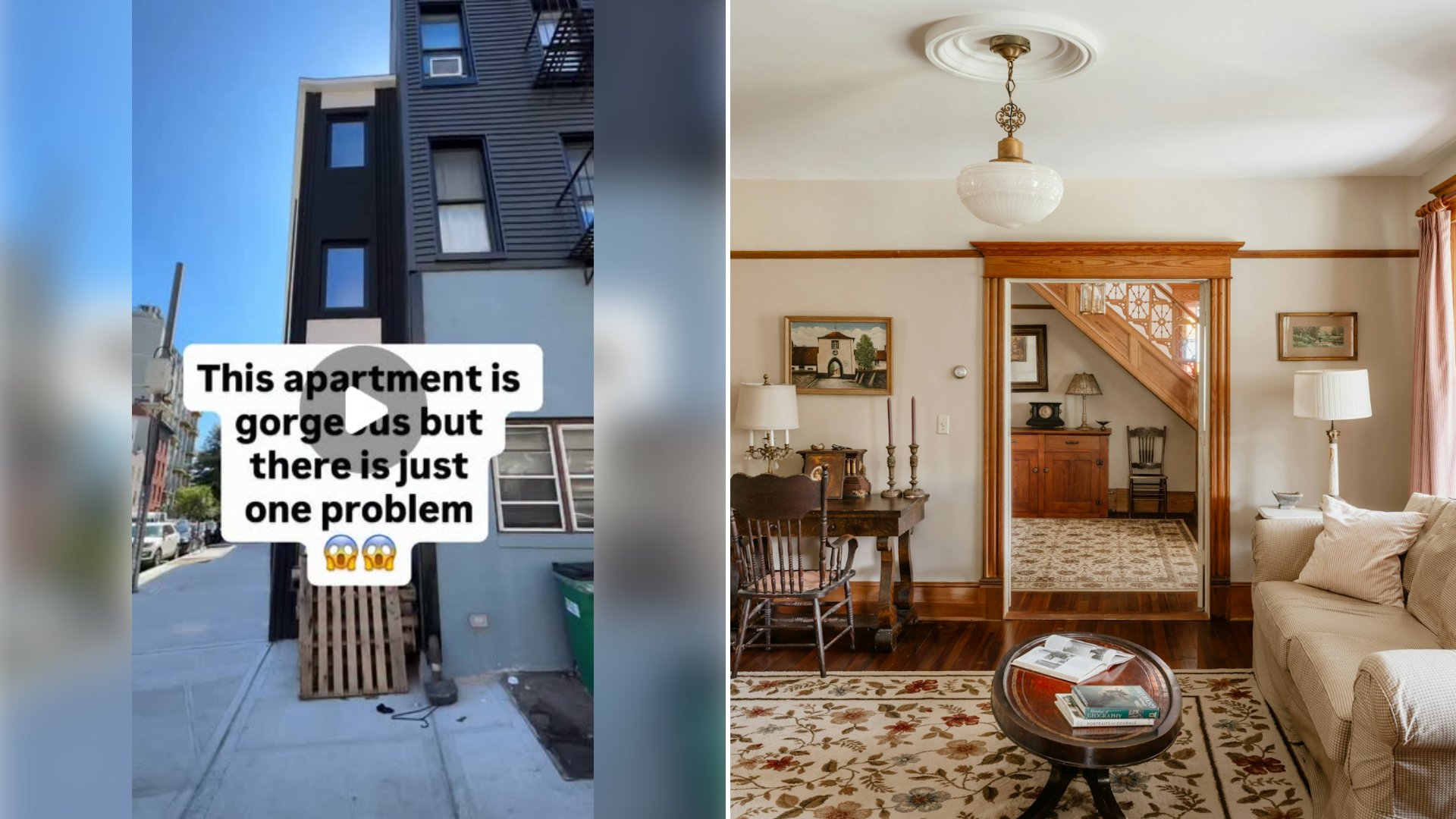
The account’s caption, “Just one little problem,” is the entire setup, and it works precisely because the apartment looks so convincing right up until that line lands. It’s a format @brooklyn_apartmentrentals has used before: a clean, almost staged-feeling walkthrough that lulls viewers into assuming the place is flawless, followed by a reveal that reframes everything that came before it. Whatever the specific flaw turns out to be on closer viewing, the structure of the video is a reminder that a listing’s best angles rarely tell the whole story, and that renters touring in person should walk every inch of a unit — closets, water pressure, outlets, cell signal — rather than falling for the same highlight reel a camera is built to produce.
Brooklyn’s rental market gives that advice extra weight, because the borough’s prices vary enormously by neighborhood, and a flaw that would be a dealbreaker in one price bracket might be an accepted tradeoff in another. According to data regularly published by local brokerages and listing sites, asking rents across Brooklyn in 2026 have ranged from roughly $2,300 to $2,800 a month for a one-bedroom in more affordable northern and eastern neighborhoods like Bushwick, East New York, and parts of Flatbush, up to $4,000 or more for a one-bedroom in sought-after areas like Williamsburg, Park Slope, or Brooklyn Heights. Studios and smaller units generally run several hundred dollars less than one-bedrooms in the same neighborhood, while larger two- and three-bedroom apartments in prime areas can climb well past $5,000.
That spread matters because it shapes what a renter can realistically negotiate on. In a competitive, high-demand neighborhood, landlords have little incentive to fix a cosmetic or structural quirk before move-in, since another applicant is often waiting in line regardless. In a more moderately priced building or neighborhood, the same flaw can sometimes be leveraged into a lower rent, a move-in concession, or a landlord agreeing to make a repair before the lease starts — but only if the renter catches it during the tour and raises it before signing, not after. Once a lease is signed, most standard New York leases put the burden on the tenant to document any pre-existing issue in writing within the first few days, which is why renters touring any apartment, whether on video or in person, are generally advised to photograph everything they notice, however minor, before they ever hand over a deposit.
The broader lesson from videos like this one isn’t really about any single flaw — it’s about the gap between a camera’s version of a space and the lived-in reality of it. A tour edited for social media is, by design, built to hit the highlights in the most flattering light and sequence possible. Renters who treat any listing video or photo set as a starting point for questions, rather than a final verdict on a unit’s condition, tend to walk into a lease with far fewer surprises than those who book a place sight unseen based on a thirty-second clip alone.
More from Willow and Hearth
- New York City Rent Guidelines Board Votes a 0 Percent Increase for Leases Starting October 1 and San Francisco Sets 1.6 Percent, While Los Angeles Rules Vary by Year
- Real Estate Agent Shares the Moment His Client Leaves the South Bronx Apartment He Called Home for 24 Years and Steps Into a Home of His Own 45 Minutes Outside New York City
- Couple Turns an Empty High Ceiling Loft Into Their Home With a Gallery Wall, Plants and a Purple Lit Living Area in a 13 Second Reel That Starts With Let’s Move In Together
Leave a Reply