Most people measure a doorway before they buy a couch. This couple bought a 1,000-pound antique refrigerator online first and figured out the logistics of fitting it into their home afterward, a decision that turned into a multi-week renovation project nobody saw coming.
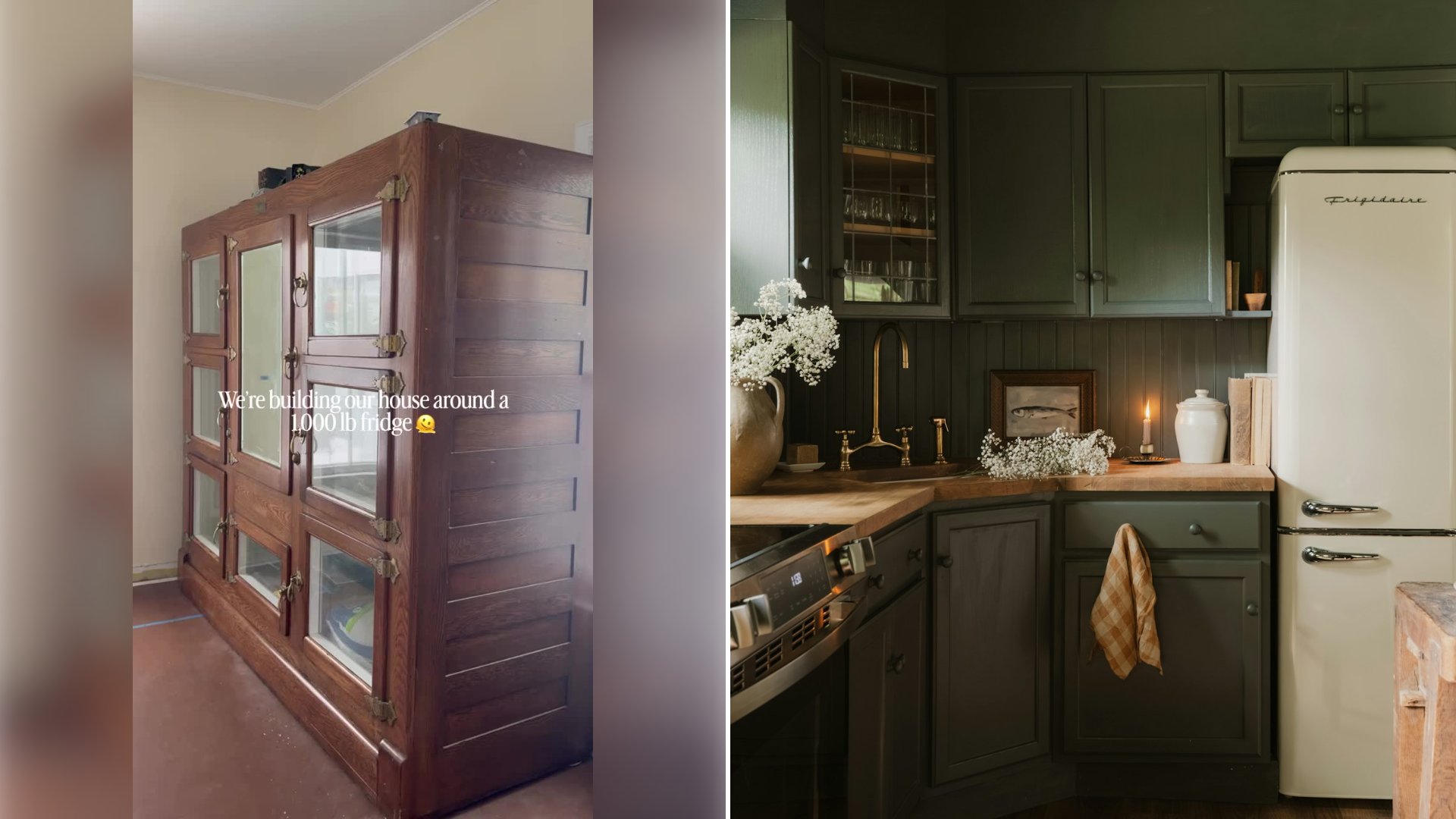
Creator @boogesmom narrates the chaos on-screen with a caption that sums it up perfectly: we’re building our house around a 1,000 lb fridge. The video follows the couple through the reworking of the surrounding kitchen area, widening clearances, reinforcing flooring, and rethinking the layout entirely just to accommodate a single, massive, secondhand appliance they had already committed to before any of that planning happened.
@boogesmom
Moving an appliance this heavy is its own logistical challenge long before any renovation work even starts. Standard parcel carriers cap out well under 1,000 pounds, which means freight shipping with a liftgate truck is typically required just to get something this size off the delivery vehicle safely. Freight delivery usually drops the item at the curb or driveway, leaving the buyer responsible for the final move into the house, and specialty appliance movers who handle oversized, heavy pieces generally charge a premium over standard moving rates specifically because of the weight and the risk of damaging floors, doorframes, or the appliance itself.
Doorway and hallway clearance is the detail that trips up most buyers of oversized vintage appliances. A refrigerator this size often exceeds the width of a standard interior doorway, which is commonly around 32 inches, forcing a choice between temporarily removing a door and its frame, routing the piece through an exterior entrance instead, or in some cases bringing it in through a window opening with rigging equipment. Floor load capacity matters too: 1,000 pounds concentrated on a small footprint can exceed what older residential subfloors were built to handle without reinforcement, which is likely why this couple’s project expanded from simply finding a spot for the fridge into reworking the surrounding structure itself.
Antique and vintage refrigerators also come with functional quirks a modern buyer should plan for beyond just the move. Many were built before modern energy efficiency standards existed, meaning they draw significantly more power than a comparable new unit, and some require a dedicated electrical circuit to run safely alongside other kitchen appliances. Buyers taking on a piece like this typically budget for an electrician’s inspection in addition to the moving costs, since an outlet that worked fine for a microwave isn’t necessarily rated to handle a decades-old compressor pulling steady current for years to come.
It’s an extreme example of letting the furniture dictate the renovation instead of the other way around, but there’s something admirable about committing fully to a vision, even when that vision requires tearing apart your own kitchen to make room for it.
More from Willow and Hearth
- Homeowners Pull Kitchen Cabinets Out of the Middle of the Room, Build IKEA Cabinets, Flip the Doors on a Fridge and Rework the Window Over the Counter
- Homeowner Quoted $18k by a Contractor for a Dining Nook Answers No Thanks I Got It and Builds the Bench, Cushions, Table and Hanging Plants in Five Steps
- Homeowner Remodeling His House After Work Says He Is a 24 Year Old Dad on a Tight Budget as Part 48 Starts a Downstairs Bathroom Built From Scratch
Leave a Reply