Most of the dramatic yard transformations that circulate online involve sod trucks, excavators, or a landscape crew showing up with a full design plan. This one did not. Creator @yardgirlxo posted a reel showing something far more relatable: a lawn that had gone months without being touched, and the surprisingly dramatic difference that simply running a mower over it made.
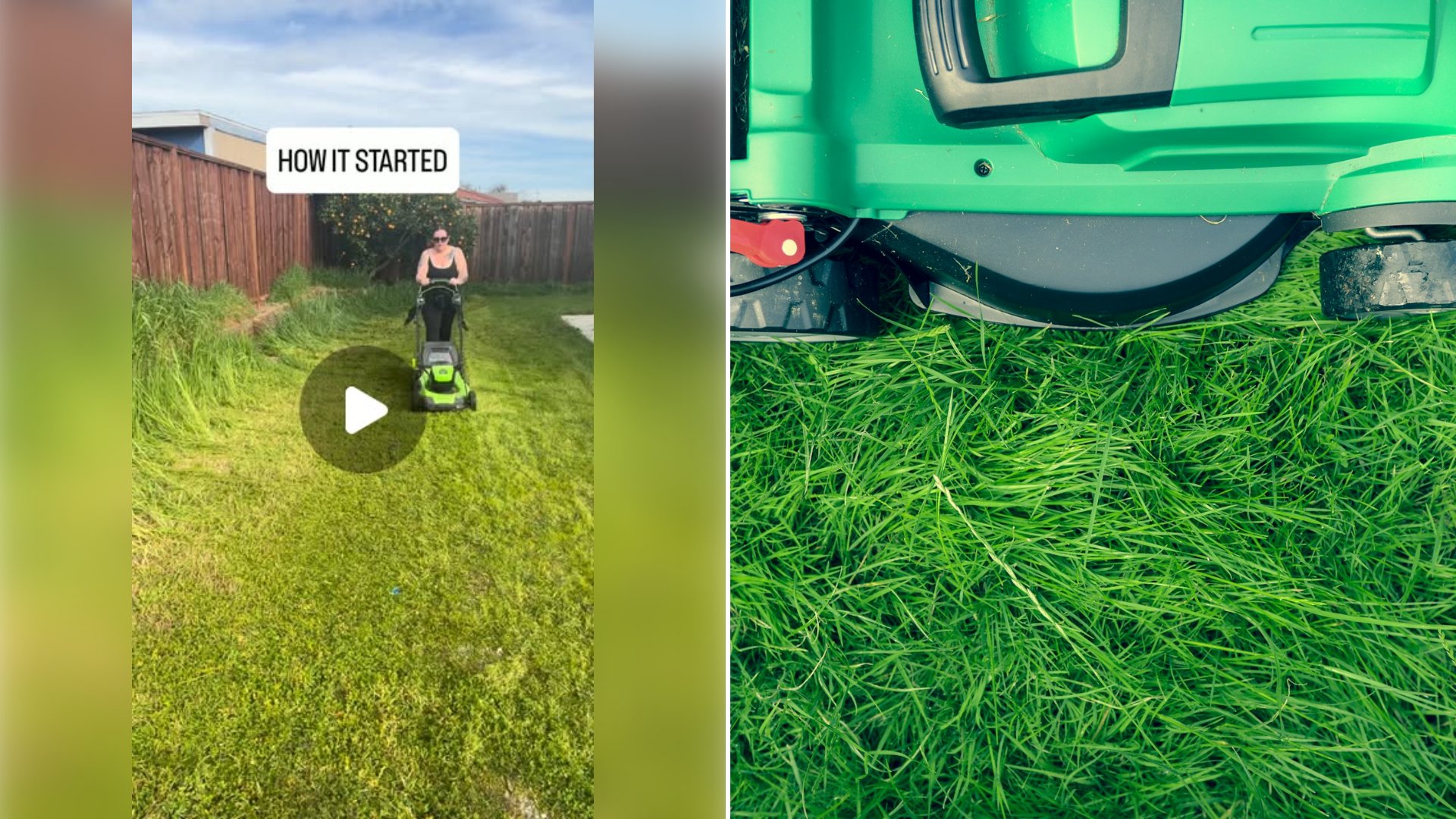
The video does not pretend the yard was ever pristine. It shows grass that had grown long, patchy, and overrun in the way a yard gets when life gets busy and the lawn simply stops being a priority. Then, in the kind of before-and-after cut that performs so well on social video, the same stretch of lawn appears mowed, even, and recognizable as a yard again. No new landscaping shown, no reseeding, no retaining walls. Just a mower and the patience to get through grass that had clearly fought back.
Part of why the clip resonates is that it refuses to be aspirational. Viewers who have let their own lawns slide for a season, whether from a move, an injury, a new baby, or simply burnout, see themselves in it immediately. There is no shame in the framing, just an honest admission that the yard got away from her and a straightforward demonstration that it is recoverable.
How to safely bring back a lawn that has gone months without mowing
Lawn care experts generally agree that an overgrown lawn needs to come back down in stages rather than all at once. Cutting more than roughly a third of the grass blade’s height in a single pass is considered a common mistake, because it stresses the root system and can shock the plant into a stress response, leaving yellow or brown patches behind. A lawn that has gone from a few inches to a foot or more should typically be brought down gradually over several mowing sessions spaced days apart, rather than scalped in one go.
Mower blade height also matters more than most people realize. Raising the deck to its highest setting for that first pass, then lowering it incrementally on subsequent cuts, helps the grass adjust without the shock of sudden exposure to full sun on blades that have been shaded by taller growth. A dull blade makes the problem worse by tearing rather than cutting, which leaves the grass more vulnerable to disease and slower to recover, so a sharpened blade is worth the extra step before tackling heavily overgrown turf.
Clippings are another practical consideration. An overgrown lawn produces a much heavier volume of cut grass than a regularly maintained one, and leaving thick clumps sitting on top of the lawn can smother the grass underneath and encourage fungal issues. Bagging clippings or raking them off after a first heavy cut is generally recommended, even though a light scatter of clippings left to decompose is normally considered beneficial on a well maintained lawn.
Watering timing rounds out the recovery process. Grass that has just been cut back hard benefits from consistent watering in the days that follow to support root recovery, ideally in the early morning rather than the heat of the afternoon, which reduces evaporation and lowers the risk of fungal growth on damp blades sitting in standing water overnight.
More from Willow and Hearth
- Neighbor Back From Holiday Finds the Planter She Built to Stop Cars Crossing Her Front Lawn Has Been Moved and Rubber Slabs Laid Down With a Brick on Top
- Land Buyer Compares Two 40 Acre Parcels Side by Side and Explains Why the One With a Dirt Road Leading Into It Is the One He Would Never Buy, Because It Is Landlocked
- Homeowner Says His HOA Called the Police Over the Strange Vehicles in His Driveway, So He Bought a Plain Tesla and Fitted It With a Train Horn He Can Set Off by Remote
Leave a Reply