Almost everyone who dreams of owning investment property runs into the same wall: no savings, no experience and nobody to call. Real estate creator @todd.nepola says that wall is a lot lower than it looks, and he lays out a step-by-step plan for getting past it in roughly six to nine months.
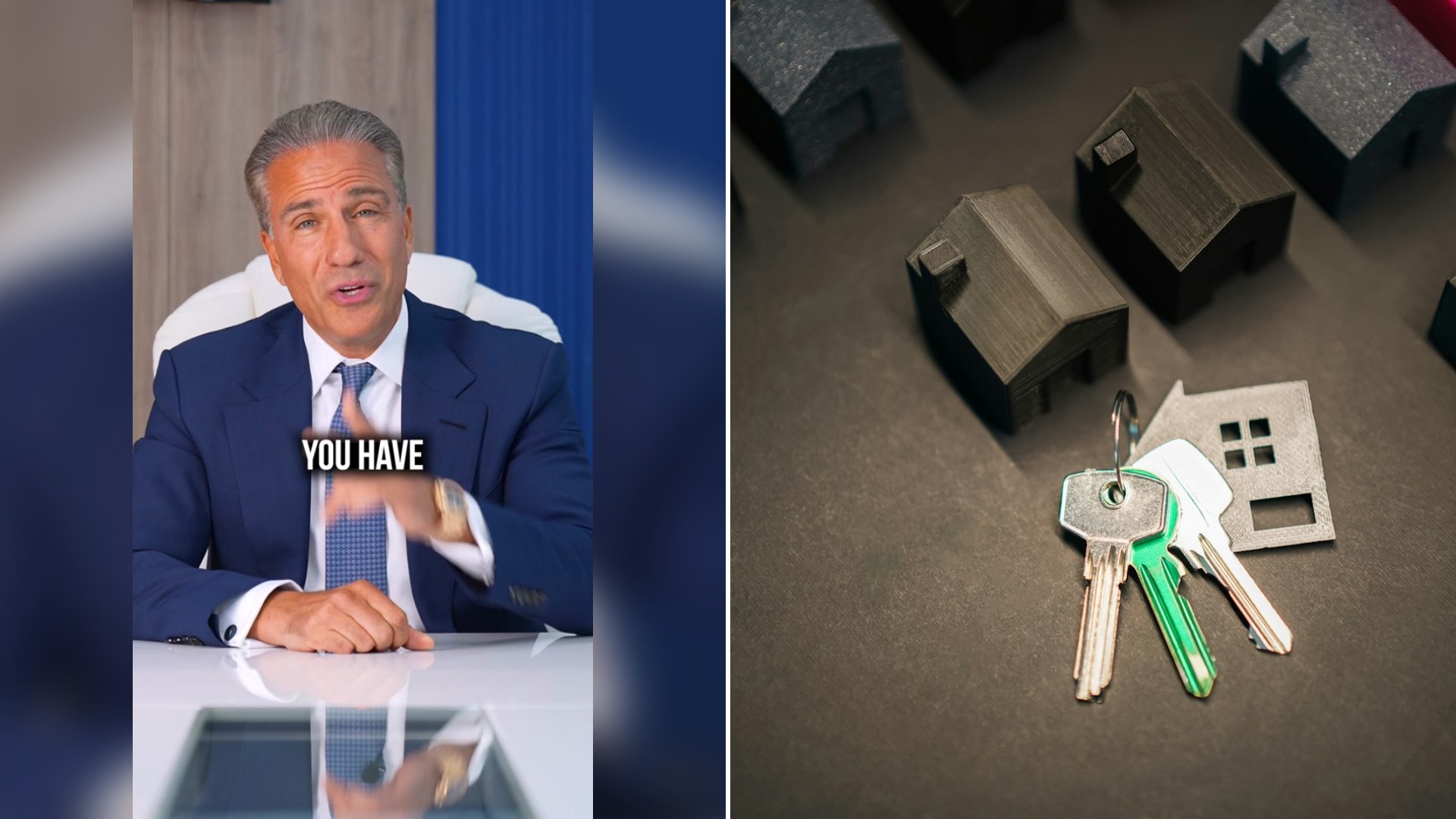
His starting point is blunt. If you have no money, no experience and no connections, but you want to buy your first property in 2026, the answer is not to wait for a windfall. It is to go build the knowledge, the network and the credibility that make other people willing to put money behind you.
@todd.nepola
Step one is the surprising one: get a real estate license
He knows what many people will say the moment they hear it. They do not want to sell houses. His answer is that he is not telling anyone to sell houses. The license is simply the first step, because studying for it teaches you the basic principles and laws of how real estate works.
From there, he says to decide what kind of property you actually want to own. Multifamily buildings, industrial space and retail are the examples he gives. Pick the type you like, then start doing your homework and reading up on those properties.
Pick a dream property and call the broker
Next comes the part that sounds bold. He suggests browsing commercial listing sites such as LoopNet or Crexi, finding the property you would love to own one day, and contacting the broker who is selling it. His advice is to tell the broker the truth: you cannot afford the property yet, but you would like to see the underwriting and the offering memorandum so you can learn what is out there.
His promise is that brokers will often share it. Once you have the documents, he says to study the underwriting and work out what is true and what is not, and why the numbers do or do not make sense. Then he would ask the broker to meet, bring a coffee, and have the broker walk through it in person. That, in his words, is how you get going.
Become a leasing agent
Step four is to take a job as a leasing agent. If you love retail properties, he says, go work for a retail brokerage house. He calls leasing the best position in a company for learning real estate, because leasing agents understand exactly what makes a property profitable. Better still, you are getting paid while you learn.
By this point, he says, you are licensed, talking to brokers, underwriting deals, learning the numbers and leasing. You now know what makes a deal work, and you can start looking for a property of your own.
Raising the money
You still will not have the cash, but he points out what you do have: experience. You know how to underwrite a deal and you have met a bunch of brokers. Now you can go to friends, family and anyone else who might invest, and ask them to help raise the capital. You put your share of the commission into the deal, plus any other money you can scrape together, and you end up with partners. His closing message is that doing nothing today means nothing changes, and that this plan is a lot of homework but can have you ready to buy in six to nine months.
What these terms mean, in plain English
If you are new to commercial real estate, a few words in his plan are worth unpacking. An offering memorandum is the sales brochure and fact sheet a broker prepares for a property. It usually includes photos, the rent roll, the expenses and the broker’s projections. Underwriting is the process of testing those projections to decide whether the property is really worth the asking price.
Two numbers show up in almost every underwriting exercise. Net operating income is the money a property earns after operating expenses but before the mortgage. The capitalization rate, often shortened to cap rate, is that income divided by the purchase price, and it gives investors a quick way to compare one property with another. Learning to question the broker’s assumptions, such as whether the rents are realistic or the vacancy rate is too rosy, is the skill he wants you to build.
A few practical cautions
This is one creator’s roadmap, and his timeline of six to nine months is his estimate, not a guarantee. Licensing rules, required courses and exam fees vary from state to state, so check with your state’s real estate commission before you sign up for anything.
Pooling money from friends and family also deserves care. When you ask other people to invest in a deal you are running, securities laws can come into play, and the rules differ depending on how the deal is structured. A real estate attorney can explain what you can say, what you must disclose and how to document each partner’s share. Putting everything in writing protects both the relationships and the investment.
It is also smart to be honest with yourself about risk. Even a well-underwritten building can surprise you with a major repair or an empty unit, so partners should know what happens if things go sideways. Starting with a smaller property, or partnering on a deal before leading one, can be a gentler way to learn.
Why the approach makes sense
What stands out about this plan is that it replaces the question of how to get money with the question of how to get skilled. Studying the market, learning to read a deal and working in leasing all build knowledge that cannot be taken away. Meeting brokers over coffee builds the network. And a track record of careful, honest questions builds the credibility that makes a friend or relative comfortable handing over a check.
Whether you want to buy an apartment building, a small shop or a warehouse, the heart of his message is simple: start with education, get close to the people who do this every day, and let the opportunity grow from there.
Leave a Reply