Buying a brand new house feels like the safest bet in real estate. Everything is fresh, nothing has been lived in, and the builder hands you the keys with a smile. But a home inspector who shares his work as @usahomeexpert has made a name for showing what can slip through, and one quick walkthrough of a new build drew more than 50 million plays.
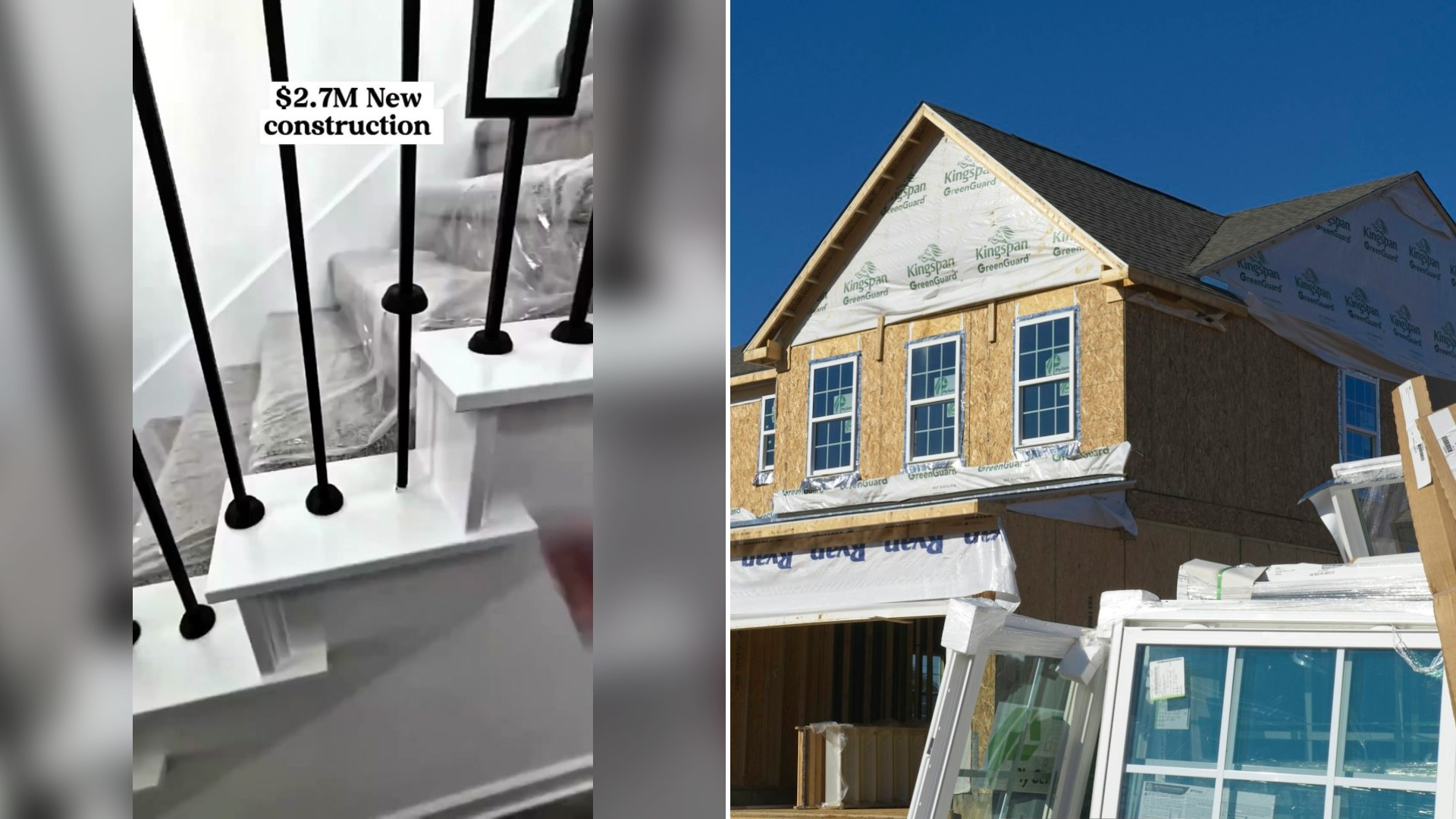
The pace of the walkthrough is fast, and the findings are the kind that any buyer of new construction would want to hear about before signing the final papers. Here is what he called out, followed by what it means for you if you ever buy a home straight from a builder.
@usahomeexpert
What the Inspector Found
He starts at the stairway and checks the handrail. At first glance everything looks fine and the rail feels secure, and then he spots the problem. Somebody forgot to install one of the brackets that hold the rail to the wall. It is a small piece of hardware, but a handrail is one of the first things a person grabs when they lose their footing on a staircase, and every support point matters.
Next he looks at the shower. He tests the slope of the shower pan, which is the base the water is supposed to run across on its way to the drain. According to the walkthrough, the water stops right where it is pooling, rather than traveling down to the drain. A shower floor that holds standing water can lead to mildew, grout trouble and, over time, moisture getting where it should not.
At the top of the stairway he notes that the carpet is a little loose. He then moves on to the electrical system, which is where many new homes show their rushed finishing work. He checks the outlets to make sure the ones that need ground fault protection actually have it. At the sub panel, he tests the breakers that are supposed to trip when there is a fault. Two of them did not. By his count, breakers 24 and 26 failed the test, and those two circuits serve the dishwasher and the microwave.
That last finding matters more than the loose carpet. A ground fault breaker is designed to cut power in a split second if electricity takes an unintended path, such as through water or through a person. Kitchen appliances sit right next to sinks and wet countertops, which is exactly why protection is expected there.
Why a New House Still Needs an Inspection
Many first-time buyers assume that a new home has been checked by the city and is therefore fine. Municipal inspectors do visit during construction, but they typically look at specific stages, such as framing, plumbing rough-in and final occupancy, and they are not combing through every shower floor and every breaker on the day you move in. The builder also has a schedule to keep. When dozens of trades work in the same house, details like a missing bracket or a poorly sloped shower pan are easy to miss.
Hiring your own inspector is the one step that puts a trained person on your side of the table. A builder may offer an inspection from someone they know, but you are free to hire your own, and most buyers find that worth every dollar. Typical home inspections cost a few hundred dollars, which is small next to the price of the house.
A Simple Checklist for Buyers of New Construction
You do not need to be an inspector to look for trouble, and you should certainly bring in a professional. Still, there are things anyone can notice on a final walk-through:
- Test every handrail. Give it a firm tug along its whole length. It should not wiggle or pull away from the wall.
- Run the showers. Let the water run for a few minutes and watch where it goes. It should move toward the drain and not sit in the corners.
- Press the test and reset buttons. Outlets near water usually have these buttons. Pressing test should cut the power, and reset should restore it.
- Walk the carpet and flooring. Look for loose edges, ripples or gaps, especially at the top and bottom of stairs where people walk the most.
- Look at the exterior. Check that vents, covers and trim pieces are attached properly and line up the way they should.
Write down everything you find, take photos, and send the list to the builder in writing. A written list, often called a punch list, creates a record that the builder agreed to fix the items.
Use the Builder Warranty While You Have It
Most builders offer a one-year warranty on workmanship, and many offer longer coverage on major structural items. The details vary, so read yours carefully. A common smart habit is to keep a running list during your first months in the house and to submit it well before the first year ends. Do not wait until the last week, because repairs can take time to schedule.
It also helps to keep copies of the inspection report, your photos and every email with the builder. If a small problem turns into a larger one later, such as a slow leak under that shower, your records will show it was reported early.
The Takeaway
A new home can still have old-fashioned mistakes. In this walkthrough, the findings were not mysteries. They were a missing bracket, a shower that did not drain properly, two breakers that failed their tests and a few loose or misaligned pieces. All of them could have been caught and fixed before a family moved in, and that is exactly why so many buyers now insist on an independent inspection even when the house has never had an owner.
If you are shopping for new construction, ask for the inspection, show up for it if you can, and ask questions as you go. The walkthrough above is a reminder that the person with a flashlight and a checklist is often the best friend a buyer has.
Leave a Reply