Closing day is supposed to be the finish line. By the time a buyer gets to the final 24 hours, the inspection is long done, the loan is approved and the paperwork is nearly signed. For one real estate investor who posts as @hold_my_hand_wholesale, that calm evaporated on a phone call with a Realtor the day before closing, when the conversation turned to a commission he says nobody had ever brought up.
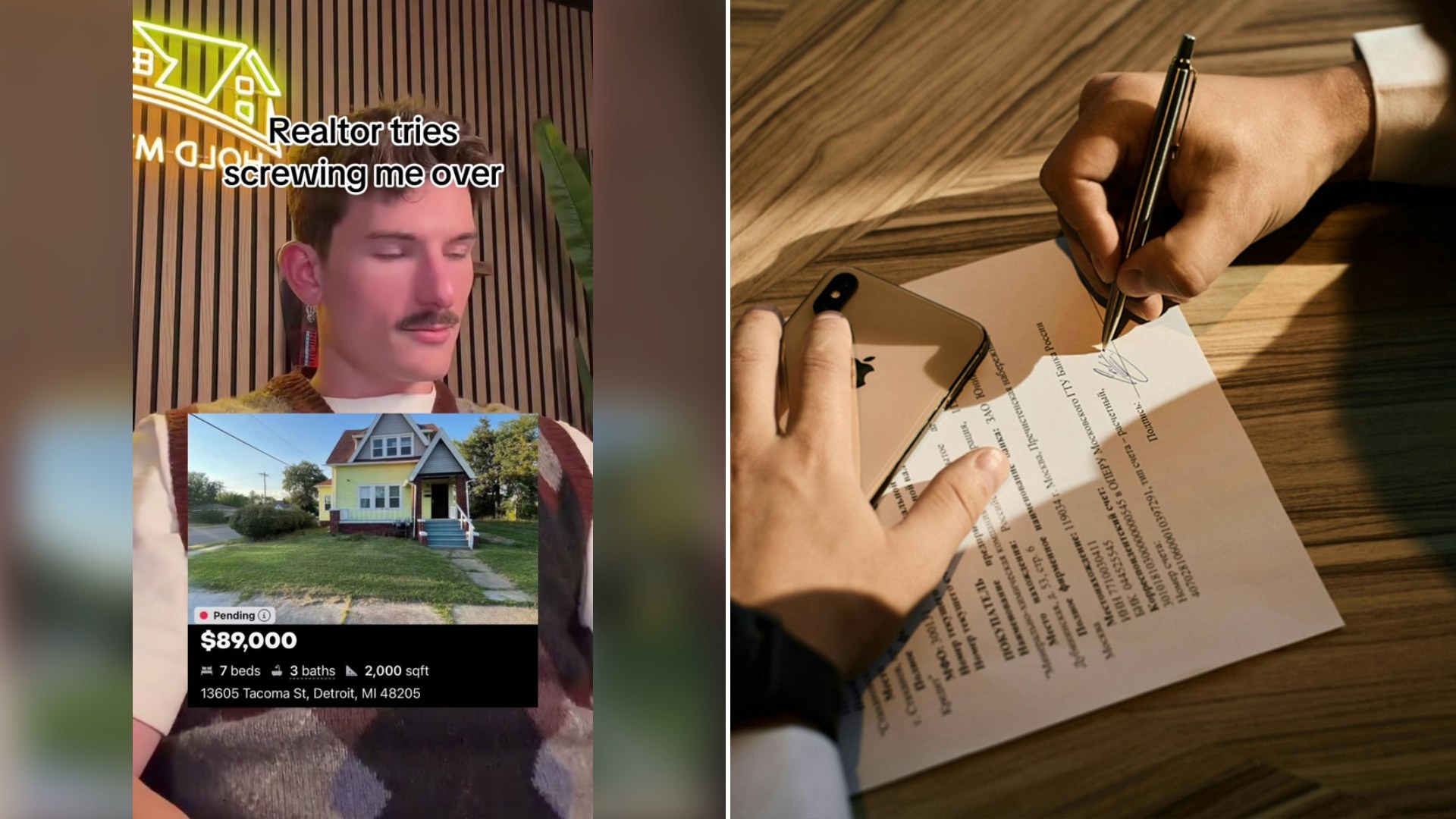
His post drew more than 14 million plays, and it is easy to see why. Most people have wondered at some point who actually pays the agents when a house changes hands, and the call lays out how quickly that question can turn into a standoff.
@hold_my_hand_wholesale
What Was Said on the Call
According to the call, the deal was a small one. The purchase price was $58,500. The buyer was working with a lender and with a wholesaler, meaning an investor who finds a property under contract and passes that contract along to a buyer for an assignment fee. That fee was $1,500.
The trouble began when the title company could not get the lender on the phone to balance the numbers, which delayed the final figures. The buyer called the Realtor to sort it out. He explained that he had agreed to pay closing costs and the title fees, and that he was ready to close the next day at $58,500. What he did not expect was to be told that the buyer was also on the hook for the agent’s commission.
He said that the lender would be funding about $60,000, with $1,500 of that going to the wholesaler as the assignment fee and the remaining $58,000 or so going to the seller side. He added that his lender’s guidelines do not allow the lender to pay brokerages. In his words, he would gladly cover all the title fees, but he was not paying the commission.
The Realtor countered that the listing agreement signed with the seller is where the commission is set, and that it comes out of the sale proceeds. The Realtor said that is how it works in the United States, and that once a buyer signs a purchase agreement, the arrangement between the agent and the seller can change. An example was offered. If an agent tells a seller they will sell a house for $200,000 and a buyer later offers $210,000, the terms of that original agreement are altered by the new contract.
Neither side gave ground. The buyer said again that he was ready to close for the agreed price and that any other fee would have to come out of the seller’s proceeds. He said he would call his lender, and if the deal fell through, that would be fine with him. The call ended with a polite promise to talk soon.
It is worth noting that this is one side of a disagreement caught on a recording, and we do not know how it was finally resolved. The buyer’s caption on the post says that neither he nor the wholesaler had ever discussed the buyer paying commissions before the Realtor raised it the day before closing.
Who Pays the Agent? A Plain-English Guide
For decades, the seller paid commission for both the listing agent and the buyer’s agent, and the money came out of the sale price at closing. Many people think of it as the default, and that is likely why the Realtor on the call treated it as obvious. In recent years, however, the rules have been changing. A national settlement in 2024 changed how buyer agent compensation is handled, and agents are now generally expected to have written agreements with the buyers they represent that spell out what they will be paid.
That does not mean buyers now always pay their own agent. Sellers can still agree to cover it, and many do, and buyers can ask a seller to contribute. What it does mean is that the details should be written down and agreed to in advance, not discovered at the closing table.
How to Avoid a Surprise Like This
- Ask about compensation at the start. Before you sign anything with an agent, ask who is expected to pay them, how much, and under what conditions.
- Read every agreement. The listing agreement, the buyer agency agreement and the purchase contract can all affect who owes what. If a clause is not clear, ask for a plain explanation.
- Ask your lender early. Lenders have rules about what fees they will finance or allow. If a fee is not permitted in your loan, you need to know that before closing week.
- Request the closing disclosure early. Buyers are generally given a closing disclosure at least three business days before closing. Compare it to your contract line by line.
- Get everything in writing. Phone calls are easy to dispute. Emails and signed addenda are not.
- Consider a real estate attorney. In a small deal with several parties, an hour of legal advice can protect you from a costly misunderstanding.
A Note on Wholesale Deals
Because this deal involved a wholesaler, it also shows how many moving parts some transactions have. An assignment fee, a lender, a title company, a seller, a listing agent and a buyer all need to agree on the same set of numbers. When even one party assumes something different, the whole closing can stall. If you are thinking of buying through an assignment, make sure every party has reviewed the same final figures well before the day you are expected to sign.
The Bottom Line
The most useful lesson from this call is not about who was right. It is that money questions are far cheaper to settle in week one than in the last 24 hours. If you are buying or selling, ask who pays whom, ask how much, and ask to see it in writing. A few awkward questions at the beginning are better than a tense phone call the day before closing.
Leave a Reply