A creator in Tulsa is sharing her own real application process for the Habitat for Humanity homebuyer program, after years of feeling priced out of homeownership in her own city. Rather than giving a general overview, she walks followers through the actual steps she personally completed, from the first information session to the paperwork that determined whether she qualified.
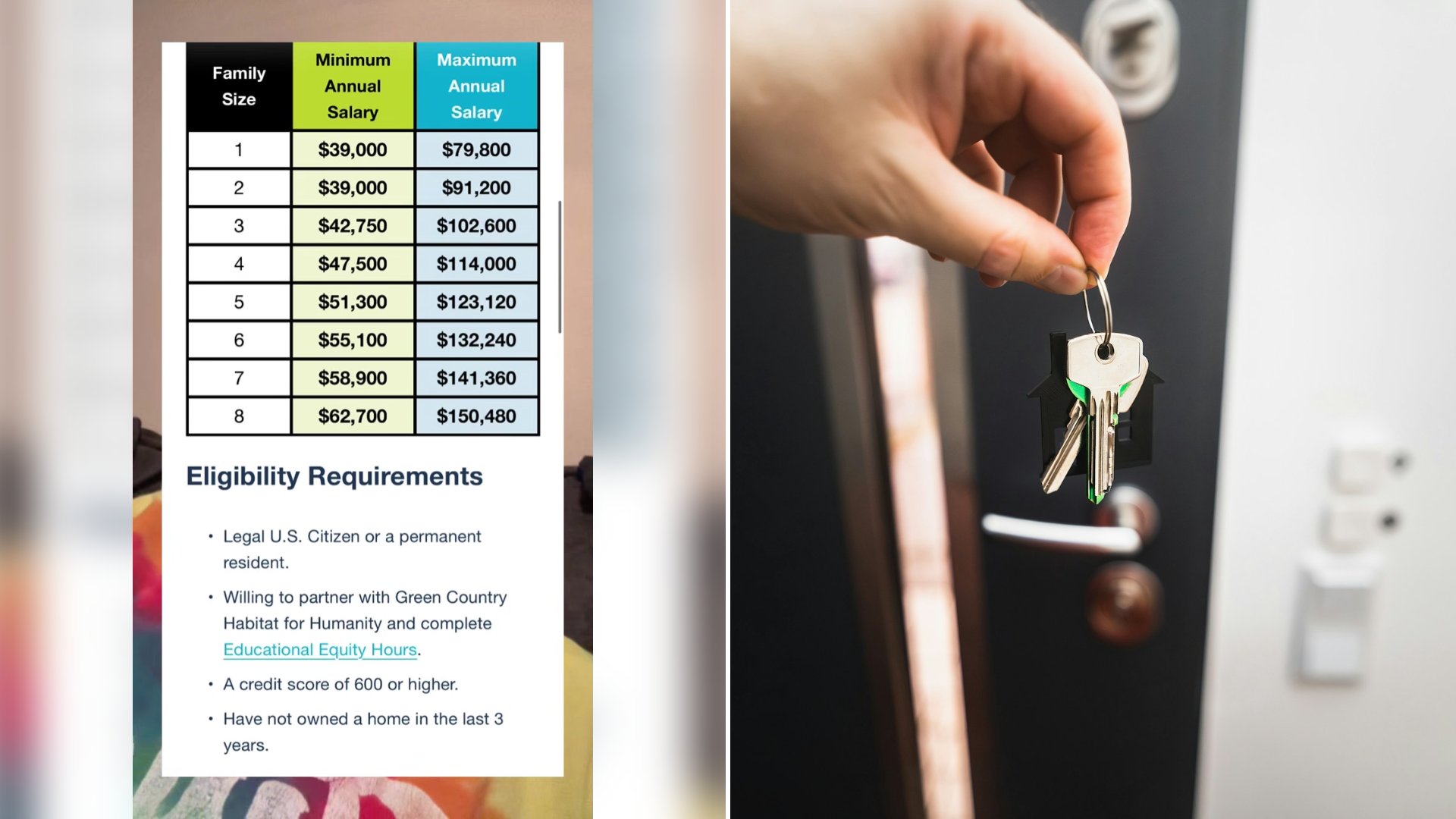
The video, from creator @blakenoellem, describes what it actually felt like to sit across from program staff as a working adult who had done everything expected of her, steady income, responsible budgeting, and still could not break into the local housing market on her own. She treats the Habitat application less like a program overview and more like a personal record of what it takes to get through it.
@blakenoellem
Habitat for Humanity’s homebuyer program operates differently from a typical mortgage lender or down payment assistance grant. Applicants generally need to demonstrate a documented need for safe and affordable housing, an ability to repay an affordable mortgage set by the local Habitat affiliate, and willingness to partner with the organization, which usually means contributing a set number of volunteer hours, often called sweat equity, both on their own future home and on other builds in their community. Income eligibility is typically set as a range relative to the area’s median income, meaning applicants generally need to earn enough to afford a modest mortgage payment but not so much that they would reasonably qualify through conventional financing alone.
Because Habitat for Humanity operates through independently run local affiliates rather than one centralized national program, specific income thresholds, required volunteer hours, and build timelines vary by city and region. In many areas, the build and application process from acceptance to move-in has historically taken anywhere from several months to more than a year, depending on local construction capacity, available land, and how many families are in the pipeline ahead of a given applicant. That timeline is part of why the creator frames her video as a real-time documentation project rather than a quick explainer, since the process itself unfolds over an extended period.
What makes the video resonate is the gap it highlights between working hard and still not affording a home in a given city, a frustration shared by a large share of renters across the country regardless of income level. Habitat for Humanity’s model directly addresses that gap by building affordability into the home itself through below-market mortgages and sweat equity, rather than relying on a buyer’s ability to compete on price in an open market. For someone who has spent years watching listings go up and prices climb further out of reach, a structured path like this, even with its own requirements and waiting periods, can feel like the first realistic option that does not depend on simply earning more money.
The creator says she plans to keep posting updates as her own application moves forward, turning what started as a single video into an ongoing record for anyone else considering the same path in their own city.
More from Willow and Hearth
- National Association of Realtors Says the Typical First Time Buyer Is Now 40 Years Old and Puts Down 10 Percent, According to Its 2025 Profile of Home Buyers and Sellers
- Federal Housing Finance Agency Raises the 2026 Baseline Conforming Loan Limit to $832,750 and Caps High Cost Areas at $1,249,125, Which Leaves Some Buyers Still Borrowing Jumbo
- Freddie Mac Survey Puts the Average 30 Year Fixed Mortgage Rate at 7.40 Percent for October 8, Adding About $24.50 a Month to a $300,000 Loan Compared With the Week Before
Leave a Reply