Not every buyer can look past a leaking roof, decades of neglect, and a layout frozen in another era. Creator @samanthaeberhart and her partner apparently could, and their before-and-after showcase of a rundown hundred-year-old cottage shows exactly why that instinct paid off.
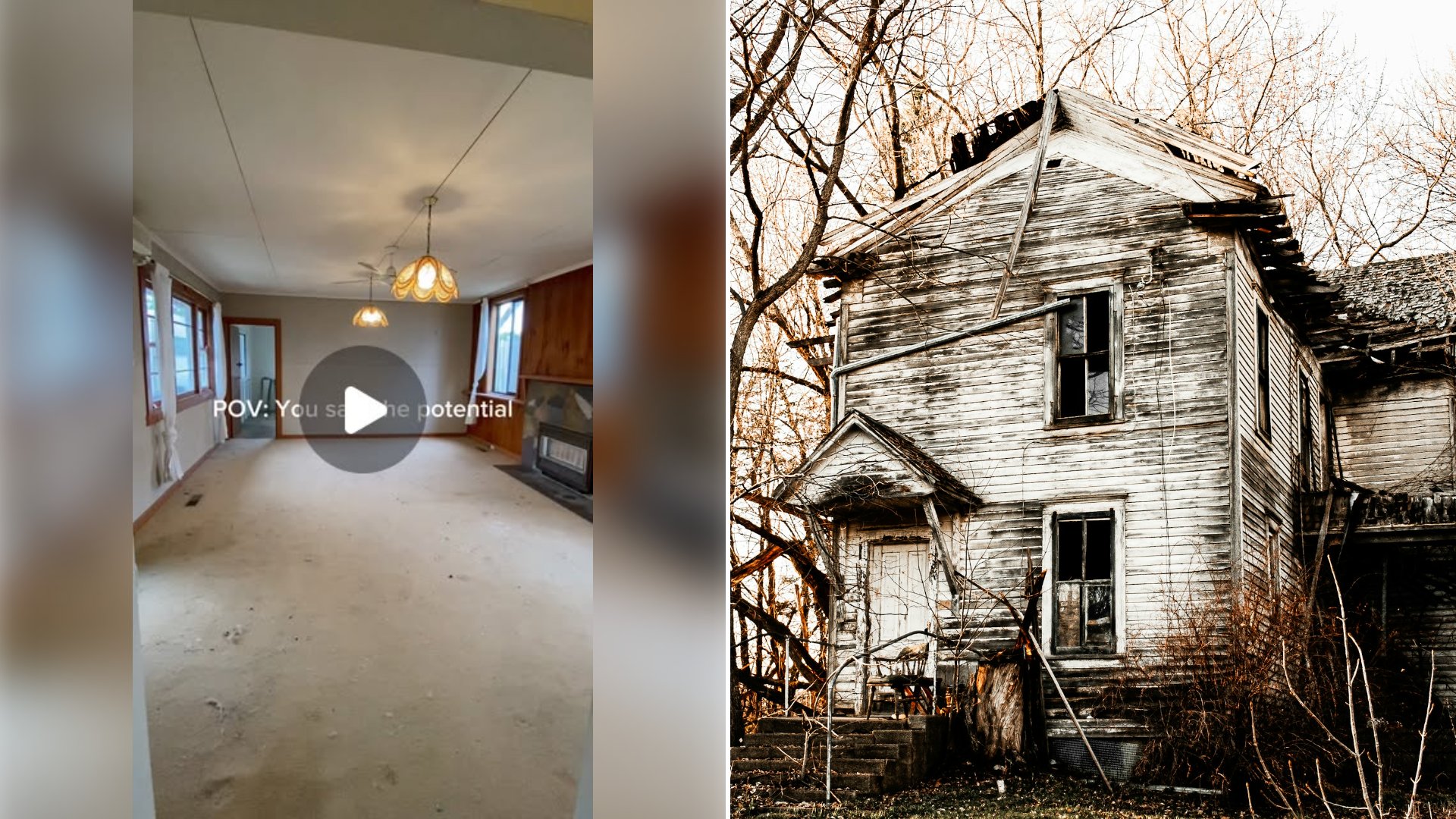
The footage opens on a cottage that looks every bit its century of age: worn finishes, outdated fixtures, and the kind of general disrepair that tends to scare off casual house hunters at a showing. The couple has said they saw potential in the space from the moment they first walked inside, and the transformation that follows backs that claim up, moving from a near-derelict shell to a renovated home with its original character intentionally preserved rather than erased.
Stories like this one perform well because they flip the usual real estate instinct on its head. Most buyers are trained to avoid a property that needs this much work. Watching a couple walk in, see what most people would walk away from, and then actually deliver on that vision is a satisfying arc, and it is the reason restoration-focused renovation content keeps finding an audience far beyond people currently shopping for a fixer-upper.
What restoring a century-old home actually costs compared with new construction
Restoring a home built around a century ago typically carries a cost premium over new construction, and it is worth understanding why before taking one on. Older homes frequently require work that is invisible in before photos but expensive in practice: outdated or unsafe wiring that needs a full rewire to meet modern code, old lead or cast iron plumbing that often needs replacing rather than patching, and foundations that may have shifted or settled over a hundred years and need structural assessment before any cosmetic work begins. Each of these systems-level issues can add substantially to a renovation budget before a single finish material is chosen.
Material and labor costs for restoration work also tend to run higher than new construction on a square-foot basis, particularly when a project aims to preserve original architectural details rather than replace them outright. Matching period-appropriate trim, restoring original windows instead of swapping in standard replacements, and working around existing structural quirks all require more specialized labor than building the same square footage from scratch on a blank lot. Industry estimates generally place full restoration of a historic or century-old home at a meaningfully higher cost per square foot than comparable new construction, even before accounting for the unpredictable surprises that older houses are known for revealing once walls come open.
What restoration buys that new construction cannot replicate, however, is the kind of character on display in this cottage: original architectural details, established neighborhood context, and a building history that a brand-new structure simply does not have. For buyers weighing the premium, that intangible value is often the deciding factor, and it is clearly what drew this couple to take the project on in the first place.
More from Willow and Hearth
- Homeowner Restoring the Castle Style Home His Mother Left Him After Cancer Lays Brick Paving and Plants a Garden Before Walking Through the Rooms Inside
- Indiana Venue Renovators Follow Local Advice, Open a Drywalled Wall and Find 15 Foot Pocket Doors Said to Be 100 Years Old, Then Rebuild the Missing Panels
- Owners of an Abandoned NYC Townhouse Wait Almost Two Years to Restore Its Carved Staircase With a Lion and a Harp Before a Woodworker Finally Starts
Leave a Reply