Most of us do not need a government report to tell us the electric bill feels higher. But sometimes it helps to see the numbers laid out, if only to know you are not imagining it. The latest consumer price report shows the cost of keeping the lights and the heat on is climbing faster than prices in general.
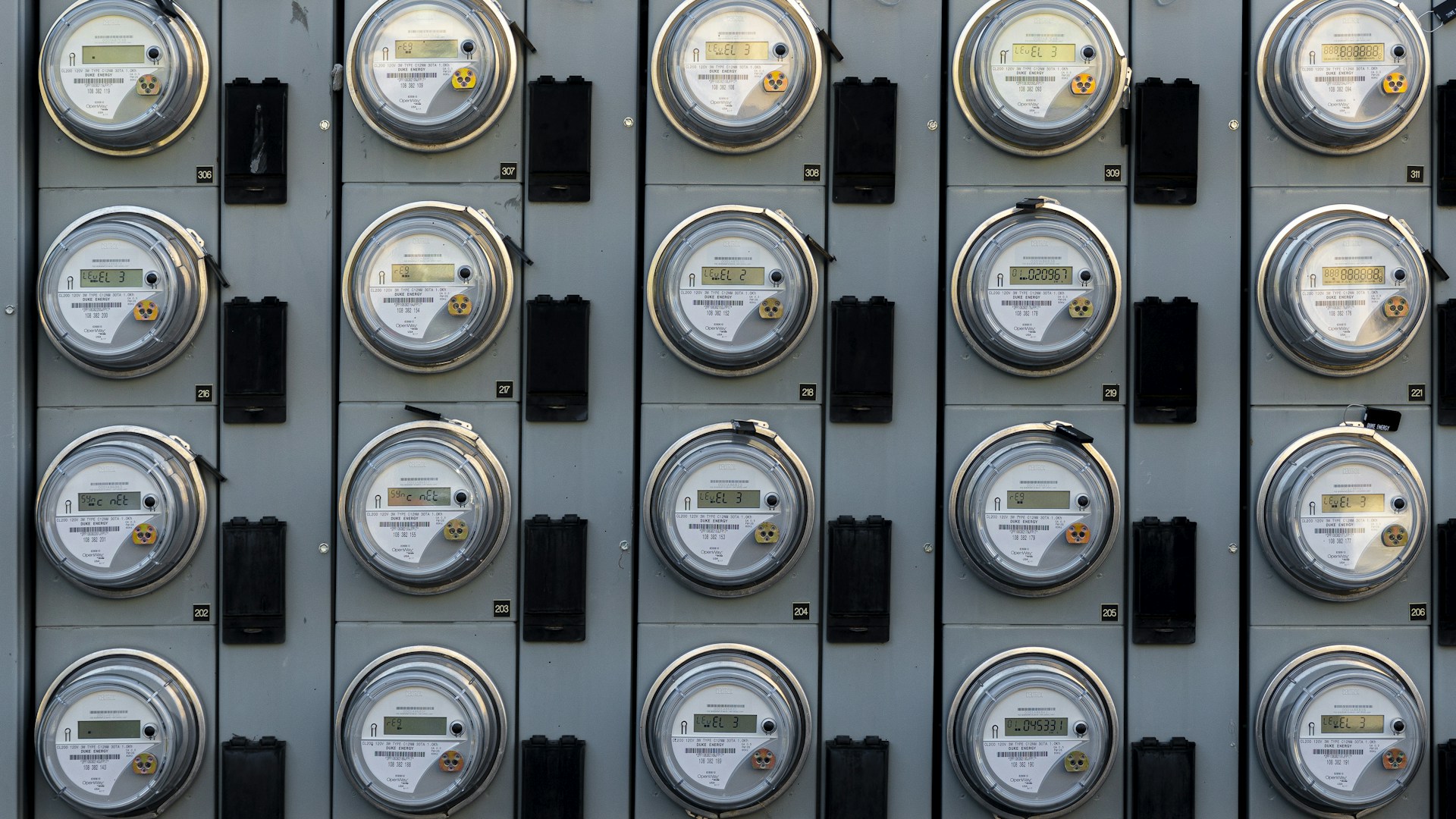
The Bureau of Labor Statistics released its Consumer Price Index report on October 14, 2026, covering September. Over the past 12 months, prices for all items rose 3.7%. Over the same stretch, electricity rose 4.4% and utility piped gas service rose 5.0%. Shelter, which includes what people pay for housing, rose 3.2%.
What those numbers say
Put side by side, the picture is clear. Overall prices are up 3.7%. Housing costs measured by shelter are up 3.2%, a little below that. Electricity at 4.4% and utility gas at 5.0% are both running ahead of the overall figure. In other words, household energy is getting pricier faster than the average thing you buy.
That matters because utilities are not something most of us can skip. You can put off buying a new couch, but you cannot put off running the furnace in January. When a bill we cannot avoid climbs faster than everything else, it takes a bigger bite out of a fixed budget, and retirees and families watching every dollar feel it most.
A quick word on what the index measures
The Consumer Price Index tracks how prices change over time for a broad basket of goods and services. The figures here are changes over 12 months, comparing September 2026 with September 2025. They describe national trends, not your personal bill. Your own costs depend on where you live, how much energy you use and which rate plan your utility offers. Still, the national direction is a useful backdrop when you wonder why your statement keeps creeping up.
Ways to trim your energy use
You cannot set the price per kilowatt hour or per therm, but you can influence how much you use. Small changes add up across a year, and many of them cost little or nothing.
- Adjust the thermostat. Turning it down a few degrees in cold months, particularly while you sleep or when nobody is home, can reduce heating use. A programmable thermostat makes this automatic.
- Seal the leaks. Weatherstripping and caulk around doors and windows keep warm air in and cold air out.
- Switch to LED bulbs. They use much less electricity than old incandescent bulbs and last far longer.
- Unplug the idle stuff. Many devices draw a little power even when switched off, so a power strip you can flip off helps.
- Run full loads. Wait until the dishwasher and washing machine are full, and wash laundry in cold water when the clothes allow.
- Maintain your equipment. A clean furnace filter helps your system run well, and a yearly checkup can catch small problems early.
Talk to your utility
Many people never contact their utility unless something goes wrong, but a phone call can pay off. Ask whether the company offers budget billing, which spreads your yearly costs into steadier monthly payments so winter does not bring a shock. Ask about any assistance programs or efficiency programs in your area, and whether your plan is the best fit for how you use energy. Some utilities offer home energy checkups. Others have rebates for efficient appliances or insulation. Availability varies, so it is worth asking directly.
Make a winter plan before the cold arrives
The best time to deal with a heating bill is before the first cold snap, not after the statement arrives. Spend an evening walking through your house with a notepad. Note which rooms feel drafty, which windows rattle, and which appliances are older and likely to guzzle power. Then rank your list by cost and effort. Caulk and weatherstripping cost a few dollars and an afternoon. Replacing an old appliance is a bigger project that you can plan and save for.
It also helps to involve the whole household. Lights left on and long hot showers can be a surprising source of waste, and a friendly family chat about lights, doors and thermostat settings costs nothing. Make it a game if you like, and compare this month’s usage with last month’s on the bill.
Know your bill
Take a few minutes to actually read your statement. It usually shows how much energy you used this month, how that compares with last month or last year, and what you paid per unit. If the usage number jumped while your habits did not, something may be off, such as an aging appliance working too hard or a heating system that needs service. Catching that early is far cheaper than finding out after several expensive months.
Gas and electric bills each have their own set of charges, so look at both. If you use piped gas for heat and electricity for everything else, the 5.0% and 4.4% increases both apply to you, and each is worth tackling with its own set of habits.
The bottom line
The report from the Bureau of Labor Statistics shows electricity up 4.4% and utility gas up 5.0% over the past year, both above the 3.7% rise in prices overall. You cannot change the national numbers, but you can shrink how much of them you feel. Start with the easy wins, call your utility, and keep an eye on your statements. A few thoughtful changes this fall could make your winter budget a little less painful.
More Stories You May Like
- HOA Threatens Fifty Dollars a Day in Fines over Weeds Even Though the Homeowner Mows Every Two Weeks
- Real Estate Agent Warns Buyers to Assume Cameras and Microphones Are Capturing Their Every Word the Moment They Step Out of the Car at a Showing, and Explains What Not to Say
- Homeowner Cleaning Out The Basement Notices A Damp Spot, Pulls Off A Section Of Wall, And Finds A Hidden Door Framed In Wood Behind The Block
Leave a Reply