Here is a number that should make every homeowner stop and check a filing cabinet: 86%. According to a report from the Government Accountability Office, that is the share of high risk properties in the United States that had no National Flood Insurance Program policy as of April 2026. In plain words, the vast majority of homes most likely to take on water had no federal flood coverage at all.
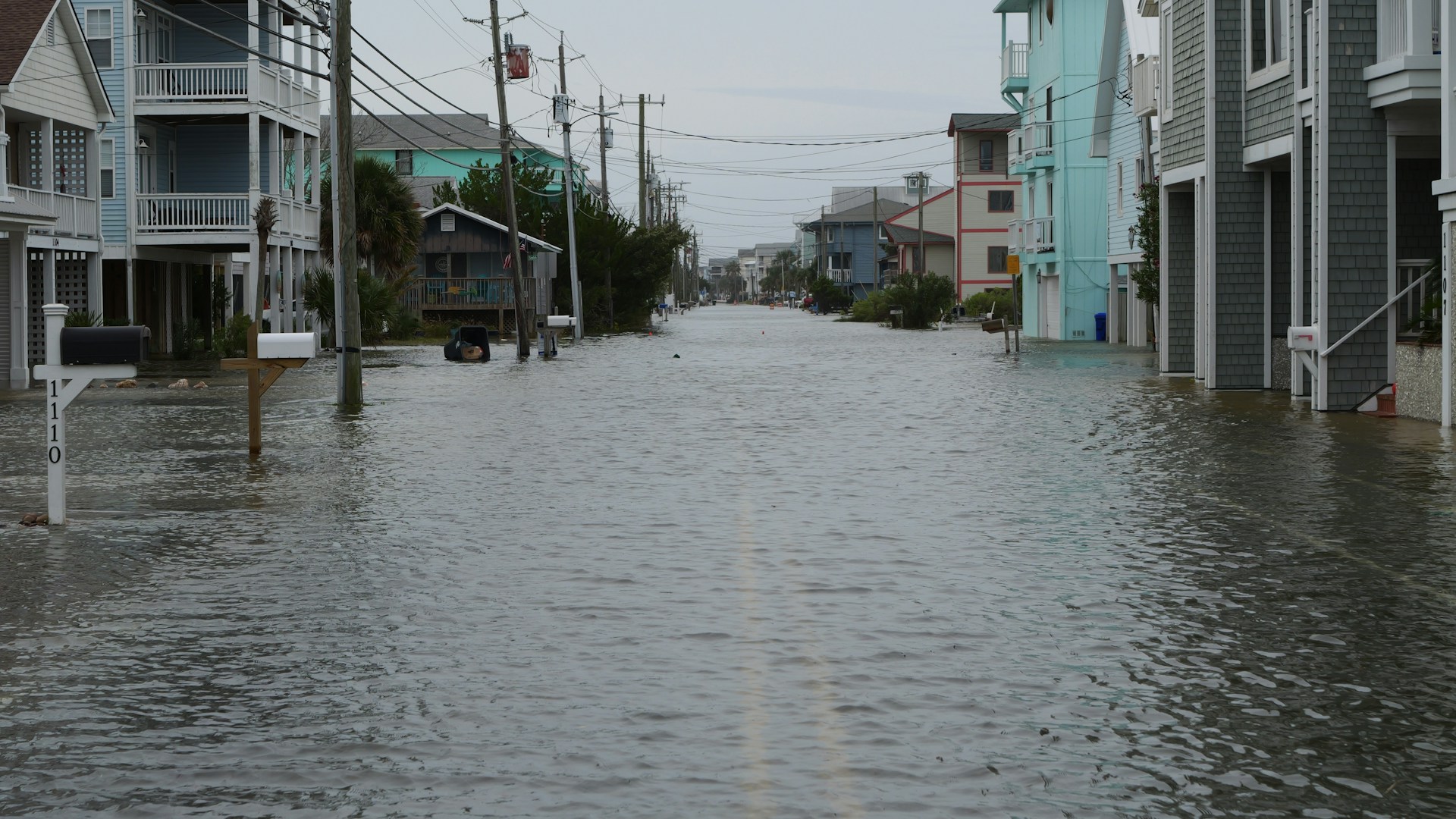
The finding was covered on October 9, 2026 by Beinsure, which reported on the GAO report numbered GAO-27-108012. It is the kind of statistic that sounds like a problem for somebody else, until the creek rises, the basement fills, or a storm pushes water through the front door.
And here is the part that catches people off guard. A standard homeowners policy is generally not built to pay for flood damage. Flood coverage is usually a separate product. The only way to know what your own policy says is to read it, so that is the first job on today’s list.
What the report actually found
Per the Beinsure coverage of the GAO report, the picture looks like this:
- 86% of high risk properties lacked NFIP coverage as of April 2026.
- About 13 million high risk properties sit outside the special flood hazard areas mapped by FEMA. That figure is an estimate from First Street, as cited by the GAO.
- Roughly 43% of properties inside those mapped special flood hazard areas had flood insurance, compared with just 2% of properties outside them.
- NFIP policies fell from 5.5 million in 2010 to 4.5 million in 2026.
- Private flood insurance made up 14% of flood policies in 2025.
That gap between 43% and 2% tells its own story. Inside the mapped zones, people are often required to carry flood coverage in order to get certain mortgages, so many of them do. Outside the zones, almost nobody buys it. Yet the report points to about 13 million high risk properties living outside those lines. A home can sit beyond the edge of a map and still be a place where water can collect.
Why so many homeowners skip it
Skipping flood insurance does not necessarily mean someone is careless. If you live outside a mapped zone, you probably never got a letter, a lender requirement or a sales call. You paid your homeowners premium every year, you saw the word “insurance” on the bill, and you assumed you were covered for whatever weather came your way.
That assumption is the dangerous one. Standard homeowners coverage is generally written to cover things like fire, wind or theft, and flood is commonly listed among the exclusions. Because policies differ, the safest move is not to rely on a general rule from a news story. Pull out your actual policy and read the exclusions section, or call your agent and ask a direct question: “If water comes in from outside and floods my home, am I covered?”
The cost question
Price is the next worry, and it is a fair one. The Beinsure report notes that for most NFIP policies, FEMA cannot raise premiums by more than 18% a year. That is a general limit on the federal program, and it means increases are capped for most policyholders even when rates are moving up. It does not mean a policy is cheap, and it does not apply the same way to every policy, so ask for a real quote rather than guessing.
The private market is also part of the picture. Private flood insurance was 14% of flood policies in 2025. That means there is more than one place to shop. Getting a quote from the federal program and comparing it with a private option gives you something to weigh against each other, and an independent agent can often show you both.
What to do this week
- Read your homeowners policy. Look for the word “flood” in the list of exclusions. If you cannot find it, call your agent and ask for the answer in writing.
- Ask about flood coverage by name. Ask what it would cost, what it would cover for the structure and for belongings, and whether there is a waiting period before a new policy takes effect. There usually is, which is why waiting until a storm is on the radio is too late.
- Do not trust the map alone. The numbers above show that millions of high risk properties sit outside the mapped special flood hazard areas. Being outside the zone is not the same as being safe.
- Compare more than one quote. Federal and private options both exist, and the right choice depends on your home and your budget.
- Write down what you own. Walk through the house with your phone and film the rooms and big items. If you ever need to file a claim, that record will help.
The bottom line
The GAO’s finding is not a prediction about any single house. It is a snapshot of how many high risk properties had no federal flood policy in April 2026, and the answer was most of them. The shrinking number of NFIP policies, from 5.5 million in 2010 down to 4.5 million in 2026, suggests that the trend has been heading the wrong way for a long time.
You do not need to panic. You do need to know. A twenty minute phone call with your insurance agent costs nothing, and it could be the difference between a bad week and a financial disaster. Check the policy, ask the question, and get the answer before the water does it for you.
More Stories You May Like
- Business Consultant Says He Wants The Contractor Working On His House To Make A Healthy Profit, And His Reasons Have Homeowners Rethinking The Cheapest Bid
- They Plan To Restore A 130 Year Old Abandoned Farmhouse With No Power, No Water And No Plumbing, And Will Close In The Porch For A Bathroom
- Appalachian Grandmas Fed Whole Families From Flour, Grease And A Cup Of Water During The Depression And One Meal Even Kept A Family From A Deadly Disease
Leave a Reply