Here is a home chore that takes almost no effort and could matter more than the paint color you have been debating. The U.S. Environmental Protection Agency says every home should be tested for radon, and the agency’s guidance on what to do with the result is refreshingly simple.
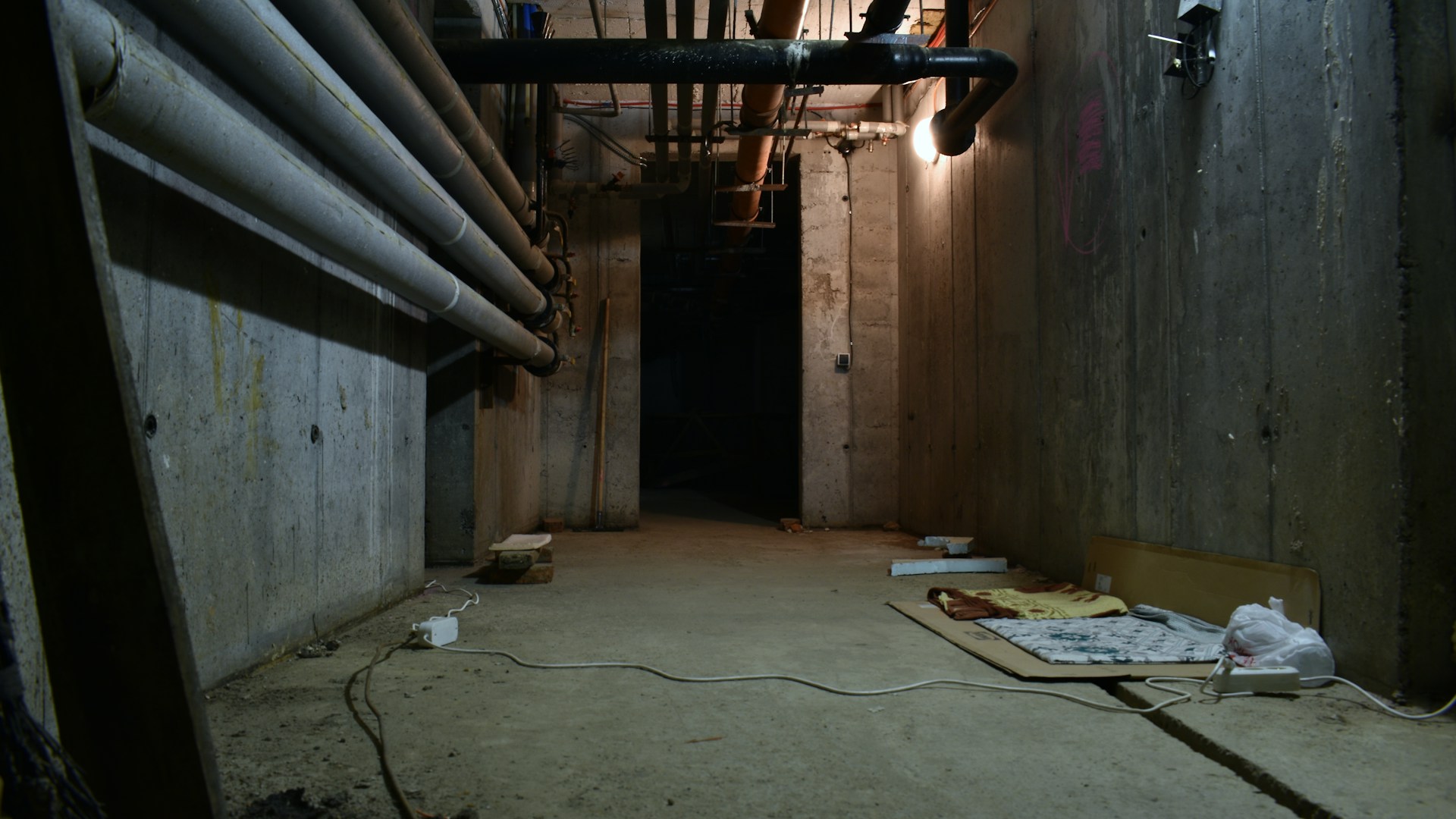
Radon is a naturally occurring radioactive gas. You cannot see it, smell it or taste it, which is exactly why the only way to know what is in your house is to measure it. Nobody can look at a basement and tell you the answer.
The EPA lays all of this out in its Basic Radon Facts factsheet, revised in January 2023. The headline message is blunt: the agency recommends that all homes be tested.
High Levels Turn Up In Every State
If you have been telling yourself that radon is somebody else’s problem, the factsheet takes that excuse away. According to the EPA, homes with high radon levels have been found in every state. It is not limited to one region, one type of soil or one style of house.
That matters for folks who figure that their neighborhood, their age of home or their lack of a basement lets them off the hook. The agency’s advice does not carve out exceptions. Test the home, and let the number tell you where you stand.
The Number To Remember: 4
Radon is measured in picocuries per liter of air, written as pCi/L. You do not need to be a scientist to use the EPA’s guideline. Here is how it works, straight from the factsheet:
- If your result is 4 pCi/L or higher, the EPA says to fix the home.
- If your result falls between 2 and 4 pCi/L, the agency says you should consider fixing it.
That second line is worth noticing. The EPA does not treat 4 as a magic cliff where everything below it is automatically fine. It encourages homeowners to think about the in-between range too, especially if they spend a lot of time at home.
A Test Does Not Have To Cost Much
Here is the part that surprises people. The EPA notes that many test kits are priced under $25. Note the word many, not all. Prices vary by store and by the kind of test, so shop around. But for a fraction of what a single restaurant dinner costs, you can find out something important about the air your family breathes every night.
Compare that with the cost of finding out the hard way. Most of us will spend hundreds on a new appliance or a weekend of yard work without blinking, yet skip a small test that could flag a real concern. It is one of the cheapest pieces of information you can buy about your own house.
How To Get It Done
You do not need special skills. A few practical pointers, all of them common sense:
- Buy a kit from a reputable source. Check the package and instructions, and follow them exactly. Where you place the kit and how long you leave it out both matter.
- Start with the lowest lived-in level. Radon comes up from the ground, so the basement or the lowest floor you actually use is the sensible place to begin.
- Keep the testing conditions steady. Short-term kits run for a few days, while longer ones run for months. Whichever you choose, do not move the kit around mid-test.
- Mail it off or read it as directed. Then write the result down and keep it with your house papers.
If your number comes back at 4 pCi/L or above, the EPA’s advice is to fix the home. That generally means calling a qualified radon professional rather than trying to patch it yourself. Ask questions, get more than one quote, and make sure the work is followed by another test so you can confirm that the number actually dropped.
The Home Sale Angle
Here is a little something to think about if you ever plan to sell. Radon testing often comes up during a home sale, and a buyer may ask for a test or want to see your past results. That part is general knowledge rather than something from the EPA factsheet, and the rules vary depending on where you live and who is buying. The takeaway is simple: if you already have a test result on file and any needed fix done, you are not scrambling in the middle of a deal.
Even if you never plan to move, a test is worth doing for your own peace of mind. A good habit is to test, record the result and then retest if you make big changes to the house, such as finishing a basement or doing major renovations. Those projects can change how air moves through a home, so a fresh test afterward is a smart, inexpensive follow-up.
Do Not Wait For A Reason
Most of us only act on house problems when something breaks, leaks or smells funny. Radon never does any of that. There is no warning, no drip, no strange noise. That is the whole reason the EPA wants every home tested instead of waiting for a symptom or a scare.
So here is your weekend assignment. Pick up a kit, put it in the lowest lived-in level, follow the directions and mail it in. If the result is under 2, you have your answer. If it lands between 2 and 4, think about fixing it. If it is 4 or higher, the EPA says to fix it. One small purchase, one simple number, and a home you can feel better about.
More Stories You May Like
- Plumber With 30 Years Of Experience Says Never Use Type M Copper When Replumbing Because It Causes Pinhole Leaks And The Fix Costs Only $10 More
- Pressure Washer Says Another Contractor Told A First Time Home Buyer Her Brick Wall Needed To Be Torn Down, And All It Needed Was A Little Chemistry
- Georgia Passes A New Law Requiring HOAs To Register With The State Every Year And Limiting Foreclosures, And Homeowners Are Being Told To Know Their New Rights
Leave a Reply