When you buy a house, you rely on a stack of paperwork to tell you what you are really getting. So imagine the shock of a buyer who says every single one of those documents said there was no homeowners association, and who then found out there was one anyway. The buyer, who posts on Instagram as @iamprovolone, puts it this way in a recent reel: “My HOA is not going down without a fight.”
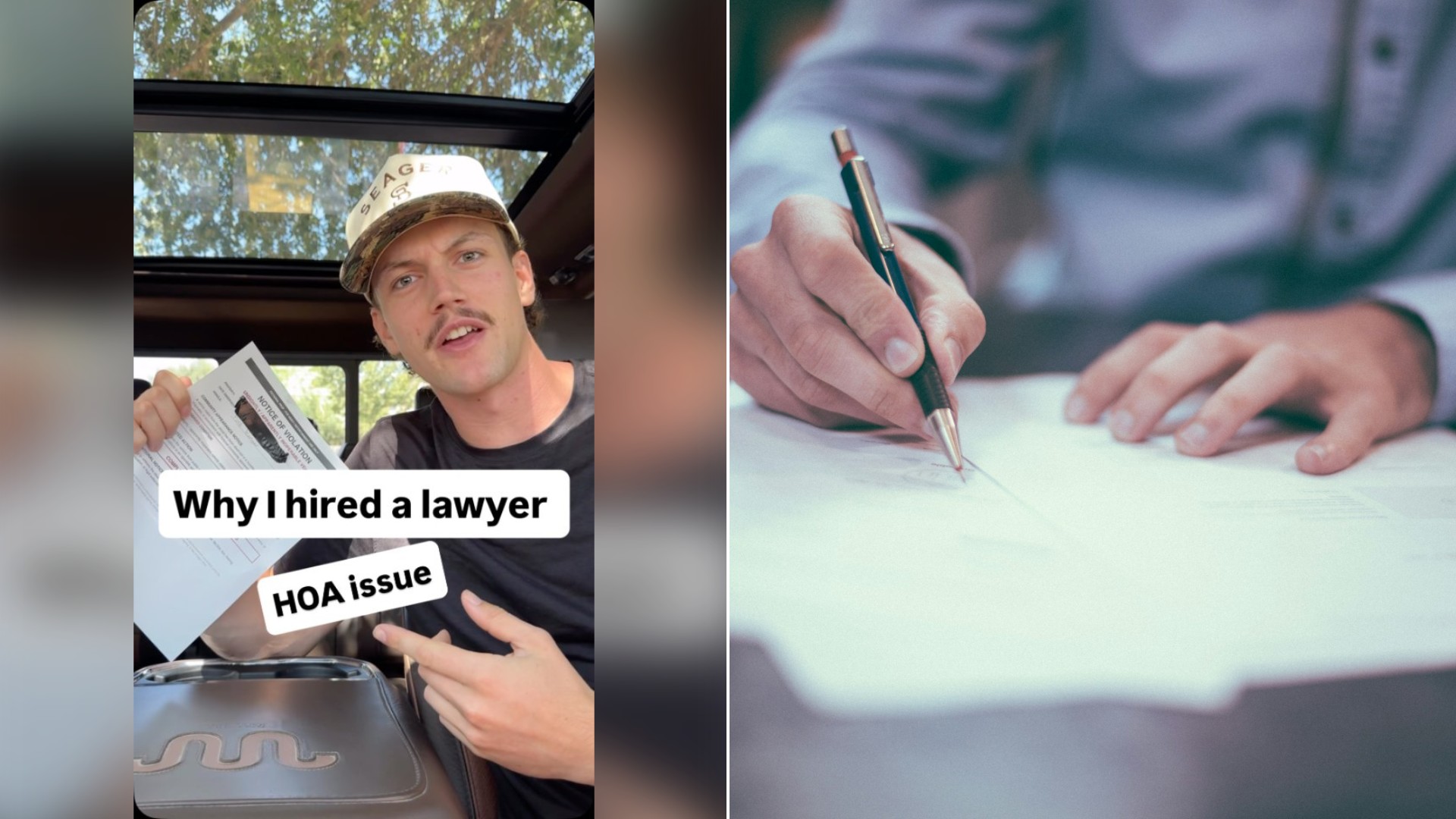
The buyer’s list of what went wrong is long, and it is the kind of list that should make every future home buyer sit up and pay attention.
View this post on Instagram
Five Places That Said No HOA
According to the buyer, the paperwork and conversations all pointed the same way:
- The seller’s disclosure was marked as no HOA.
- The closing disclosure was marked as no homeowners association.
- The appraisal was marked as no HOA.
- The agent at the open house said the home was not part of an HOA.
- The buyer says they were not given any HOA documents before closing.
And then comes the twist. The buyer says the sellers made regular payments to the homeowners association for the entire time they owned the house. In other words, according to the buyer, the sellers were paying an association that the paperwork said did not exist.
The Bill Nobody Planned For
Now the buyer faces a very practical problem. They have to come up with a couple thousand dollars for a lawyer to write a demand letter. A demand letter is a formal letter that lays out a complaint and what the writer wants done about it. It is often a first step before a dispute goes any further.
The buyer’s closing line in the reel says a lot about the real cost of this situation: “Looks like I’m not finishing my kitchen.” That is the part that hits home for so many people. Money that was set aside to make a house feel like a home now has to go toward fixing a problem nobody expected.
Why This Story Matters
We only have the buyer’s side, and the buyer says plainly that they are fighting this. Nobody outside the situation can say how it will end. But the story is worth sharing, because it shows how a homeowners association can slip through the cracks of a home purchase, and how expensive it can be when it does.
An HOA can come with regular dues and rules about what you can do with your property. That is why it is one of the first things many buyers want to know about. A buyer who has the facts can decide whether the neighborhood is a good fit. A buyer who does not has no way to make that choice.
The Open House Problem
One detail in the list deserves a second look: the agent at the open house said the home was not part of an HOA. Open houses are friendly, fast and full of casual answers. A quick comment from someone standing in the kitchen can feel like a fact, but it is not a document. If something matters to your budget, like monthly dues or rules about your property, do not settle for a comment you heard in passing. Ask for it in writing, and keep a copy.
The same goes for any promise made during the excitement of a showing. Write down who told you what, and when. If the story later changes, you will be glad you did.
Smart Steps For Buyers
You cannot control what other people write on their forms, but you can double check. Here are some practical steps:
- Do not rely on one source. If the agent says there is no HOA, ask where that is written. Compare what you hear with what you read.
- Ask in writing. Email your agent and ask whether the property is part of any homeowners association. A written answer gives you a record.
- Request HOA documents, or a written statement that there are none. If you are told there is no HOA, ask for that to be confirmed in writing before closing.
- Look at the neighborhood. Signs, shared amenities and matching fences can be clues. Ask a neighbor if the community has an association.
- Ask the sellers’ side. You can ask your agent to find out whether the sellers pay any regular dues related to the property.
- Bring questions to the title company or closing attorney. They handle the paperwork and can help you understand what is attached to the property.
- Save everything. Keep every disclosure, email and listing page. If a problem comes up later, a paper trail helps you and your lawyer.
When Paperwork Disagrees With Reality
Closing day can feel like a blur of signatures. It is easy to trust that somebody else has checked every box correctly. This story is a reminder that your own questions are part of the process, and that a few extra emails before closing may be cheaper than a lawyer afterward.
If you find a mismatch between what you were told and what you discover, a real estate attorney can explain your options. The buyer in this reel decided to bring in a lawyer, and that is a path many people take when a purchase does not match what was promised.
You can follow the buyer’s reels at @iamprovolone to see where this one goes.
More Stories You May Like
- Gardening Fix After an HOA Violation Shows How One Homeowner Solved It Without Paying a Fine
- Homeowners Find A Hidden Box In Their Attic Wall With A Key Rattling Inside A Mirror And Open It To A Burnt Ouija Piece And A Lock Of Hair
- Pressure Washer Says Another Contractor Told A First Time Home Buyer Her Brick Wall Needed To Be Torn Down, And All It Needed Was A Little Chemistry
Leave a Reply