Here is a money saver that costs nothing, needs no tools and does not require you to shiver in your own living room. The U.S. Department of Energy says that turning your thermostat back 7 to 10 degrees Fahrenheit for 8 hours a day can save as much as 10% a year on heating and cooling.
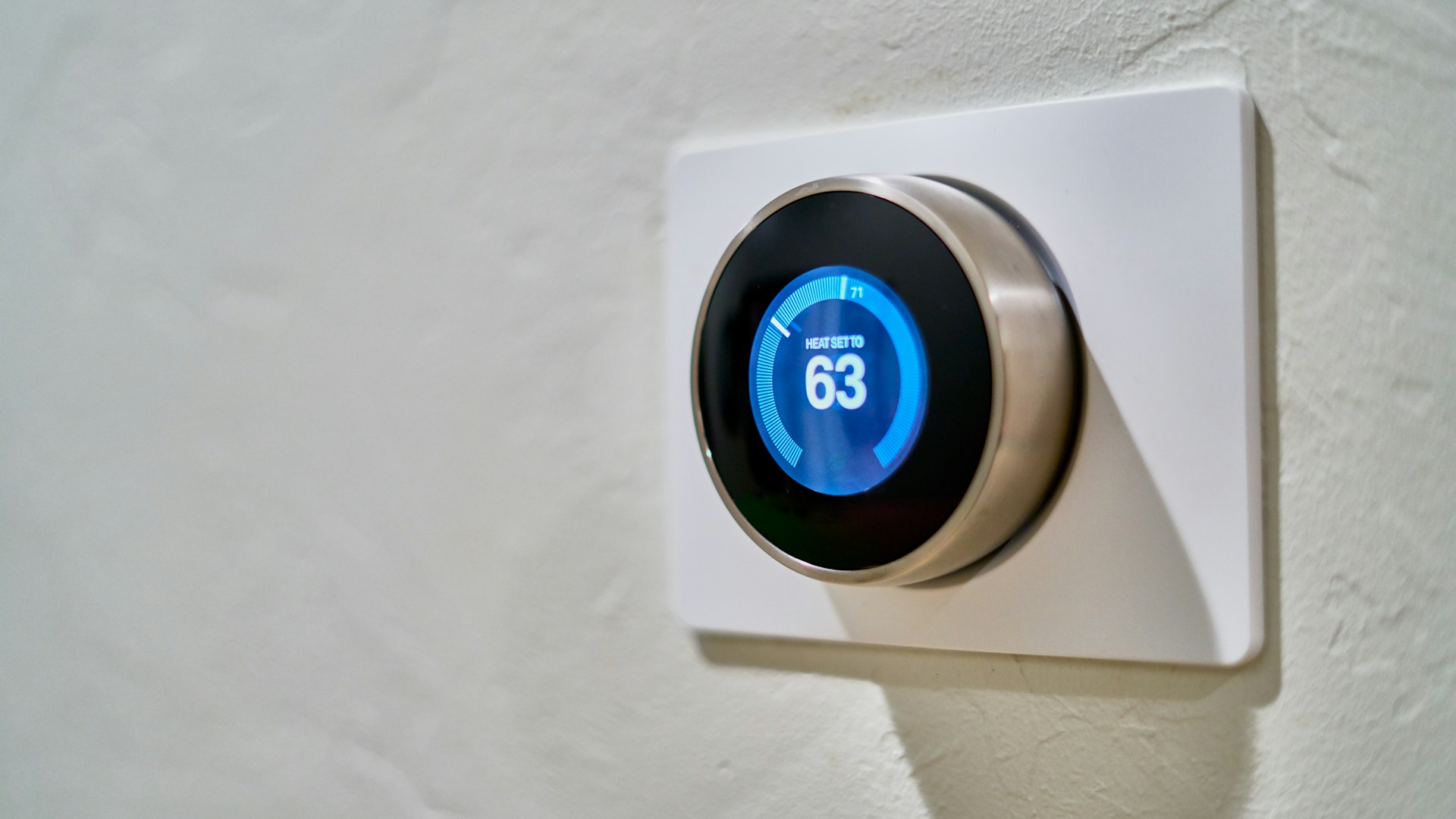
That advice comes from the Energy Saver page on thermostats at Energy.gov. With winter coming and bills on everyone’s mind, it is worth a closer look.
What The Energy Department Says
The idea is straightforward. When your home does not need to be at full comfort, such as when everyone is out or when you are tucked in bed under the covers, you let the thermostat settle at a lower setting. Then you bring it back up when you need it. According to Energy.gov, doing that by 7 to 10 degrees for 8 hours a day can save as much as 10% a year on heating and cooling.
Pay attention to the words as much as. The 10% is an upper limit, not a promise. Your actual savings will depend on your house, your weather, your equipment and how you live. The page also notes that milder climates see larger percentage savings, though it does not give figures for that.
Why It Works
Your heating system works to keep the inside of your home warmer than the outdoors. The bigger the gap between inside and outside, the harder it works. When you let the indoor temperature drop for a stretch of the day, that gap shrinks, and the system does less work during those hours. That is the simple logic behind the savings.
Easy Ways To Try It
- Overnight. Many people sleep well in a cooler room with a warm blanket. Lowering the setting at bedtime is the easiest way to get your 8 hours.
- While you are out. If you spend a work shift, a church service or errands away from home, dial it back before you leave.
- Use a timer if you have one. A programmable or smart thermostat can do the changing for you, so you do not have to remember. If yours is an old dial, a quick turn by hand works just as well.
- Start small. If 7 to 10 degrees sounds like a lot, try a smaller drop first and work up. A few degrees is still a few degrees.
Keep Everyone Comfortable
This is a free habit, but it should not cost you your health or your comfort. Use common sense, especially if anyone in your home is older, very young or in fragile health. Those folks may need a warmer house, and that is perfectly fine. Check with a doctor if you are unsure what temperature is right for you.
A few small touches make a cooler house far more livable. Put on a sweater and warm socks. Add an extra blanket to the bed. Keep a throw handy on the couch. These cost very little and let you keep the thermostat lower without feeling the difference.
Other Free Moves
While you are thinking about your thermostat, a few other no-cost habits can help your winter bills too:
- Open curtains on sunny days to let in warmth, and close them at night to hold it in.
- Check that furniture is not blocking vents or registers.
- Close doors to rooms you do not use, if that works for your layout.
- Feel around windows and doors for drafts, and note anywhere you might want to seal later.
None of these are from the Energy Department page. They are general home habits, and the savings from them will vary. But they pair well with the thermostat tip and cost you nothing to try.
A Fair Expectation
It helps to be realistic. Ten percent of your yearly heating and cooling spending is real money, but it is a ceiling, and your own result may be smaller. The page does not explain how the number was figured, so treat it as a rule of thumb rather than a guarantee. The good news is that trying it has no cost. If you do not like how it feels, you can change it back in a few seconds.
A simple way to see what works is to jot down your thermostat settings and check your next few bills. Compare them to the same time last year if you have those handy, keeping in mind that weather changes from one year to the next and can affect the comparison.
Give It A Week
Pick a schedule this weekend. Set it back at bedtime, set it back when the house is empty, and bring it up before you need it. Give it a week and see how you feel. For zero dollars and a few minutes of fiddling, the Department of Energy says you could save as much as 10% a year. That is one of the easiest bargains a homeowner will get this winter.
More Stories You May Like
- Former Landlord Says In Some Places Your Security Deposit Is Supposed To Earn Interest, And Tenants Who Never Asked Have Been Leaving Money Behind
- Homeowner Cleaning Out The Basement Notices A Damp Spot, Pulls Off A Section Of Wall, And Finds A Hidden Door Framed In Wood Behind The Block
- HOA Threatens Fifty Dollars a Day in Fines over Weeds Even Though the Homeowner Mows Every Two Weeks
Leave a Reply