Nobody talks about what to do the day after the inspection. You open the report, and it feels like a million problems are staring back at you. Electrical issues, water stains, cracks, a roof that has seen better days. Suddenly the house you loved yesterday looks like it is falling apart.
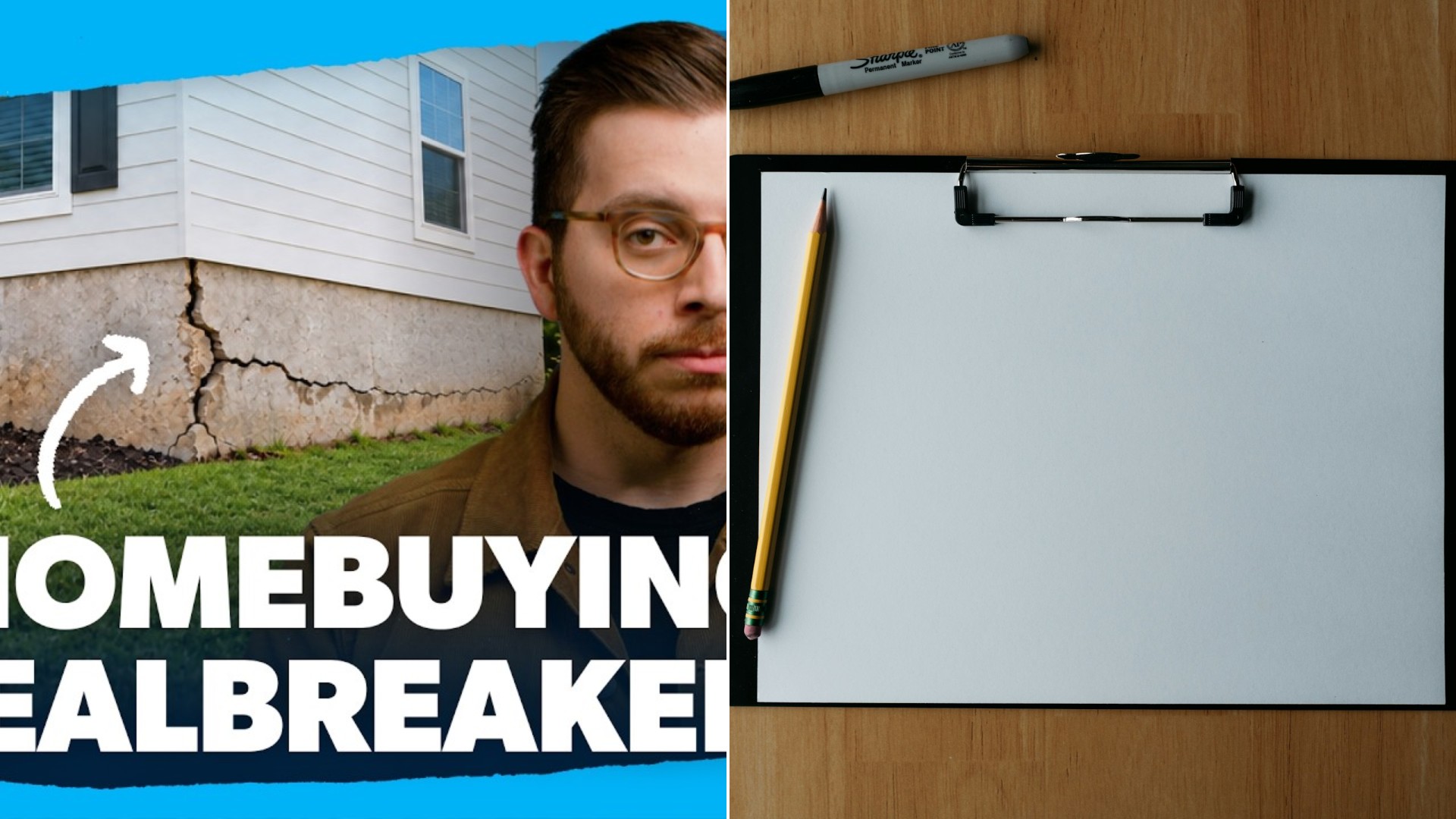
The experts at the Real Estate The Ramsey Way channel have a message for anyone in that spot: a scary report does not automatically mean a bad house. In their lesson The Home Inspection Red Flags You Can’t Ignore, they explain three buckets that help you decide when to negotiate and when to walk away.
Pass Or Fail Is The Wrong Way To Read It
It is not time to panic, but it is also not time to shrug it off and sign. A home inspection does not come back pass or fail. It gives you information, and what you do with that information can save you thousands of dollars or keep you out of a money pit.
The first step is to sort every finding into three buckets: safety hazards, major systems and cosmetic stuff. Those buckets tell you what to look into, what to negotiate and when to walk away.
Bucket One: Safety Hazards
Safety hazards come first. The video lists dangerous electrical wiring, serious structural problems, extensive mold and a failing septic system. Aluminum wiring is a good example. It was used in some homes from 1965 through the mid 1970s, and certain connections can overheat and start a fire.
A loose cabinet handle is a different animal entirely. Not every foundation crack is a disaster either, so ask your inspector which ones matter. Bulging or bowing foundation walls point to structural weakness. A brown stain on the ceiling can point to a roof leak, and water where it should not be can lead to mold. Extensive mold takes a professional to remove, and that can cost thousands.
Bucket Two: Major Systems
The second bucket is the major systems, where repair bills get big fast: roof, HVAC, plumbing, electrical, foundation and septic. Plenty of buyers see one expensive item and decide the deal is dead. The hosts say that sometimes the biggest problem on the report turns into your best negotiating point.
Say the inspector flags the roof. Do not walk away yet, and do not guess that it is going to cost $20,000. Have a qualified roofer look at it. Maybe it needs replacing now. Maybe it has several years left. Maybe one repair fixes it. Once you know, you can ask the seller to make the repair before closing, or ask for a lower price or a credit at closing.
The seller does not have to agree, and you do not have to buy the house either. That is the leverage you hold.
Bucket Three: Cosmetic Stuff
Here is where buyers make the opposite mistake. They ask the seller to fix everything: cracked caulk, sticky doors, worn paint. The experts call these signs that somebody lived in the house.
Fifty findings does not mean fifty demands. If you fight over paint, you wear out the seller before you get to the items that could cost you thousands. Save your energy for the safety hazards and the major systems.
When A Specialist Is Worth It
A basic inspection may turn up something that calls for a specialist, like sewer or septic, stucco, a chimney, mold or radon. The video makes a point worth remembering: paying several hundred dollars to understand a problem beats finding a massive repair after the house is yours.
How To Decide When To Walk Away
You probably have an inspection contingency in your contract, so read it and know your deadlines. After that, run the numbers. The hosts say the price you pay should ideally keep your payment on a 15 year fixed rate conventional mortgage at or under 25 percent of your take home pay, with taxes, insurance and PMI included. Any repairs you are paying for have to come from cash, on top of a fully funded emergency fund.
Finding out about a $10,000 repair does not make you $10,000 richer. But a repair you know about before closing is a known expense, and that is far better than a surprise. If the only way to afford the house is to borrow money or gut your savings, the numbers are telling you something.
Walking away from a money pit is smart, and the right house is still out there.
A Simple Game Plan For The Day After
- Read the whole report, then sort each finding into safety, major systems or cosmetic.
- Ask your inspector which items are serious and which are just normal wear.
- Get a qualified contractor, like a roofer, to price anything big before you decide.
- Decide what you will ask the seller for: repairs, a lower price or a credit at closing.
- Check your contract and your deadlines before you do anything else.
- Run the monthly payment and the repair costs against your own budget and savings.
The point is to turn a pile of scary words into a short list of decisions. Buyers who stay calm and sort the report usually come out ahead, whether that means a better price, a repaired roof or a smart exit. The full lesson from Real Estate The Ramsey Way runs about seven minutes and is worth a watch before you sit down with your next inspection report.
More Stories You May Like
- Charleston Family Bought a Home That Passed Its Termite Inspection, Then an Expert Found an Active Infestation and Major Damage the Report Never Mentioned
- Business Consultant Says He Wants The Contractor Working On His House To Make A Healthy Profit, And His Reasons Have Homeowners Rethinking The Cheapest Bid
- Full Cost Breakdown of a Home Renovation Shows It Took Longer and Cost More Than He Ever Imagined
Leave a Reply