Buying a home is the biggest purchase most families ever make, and a termite inspection is one of the checks that is supposed to protect it. So it is jarring to hear about a Charleston family whose home passed its termite inspection, only to have an expert find an active infestation and major damage after they bought it. The post from @thomasjoneshomes drew more than 1.1 million plays, and its caption carries a simple warning: always hire your own inspector.
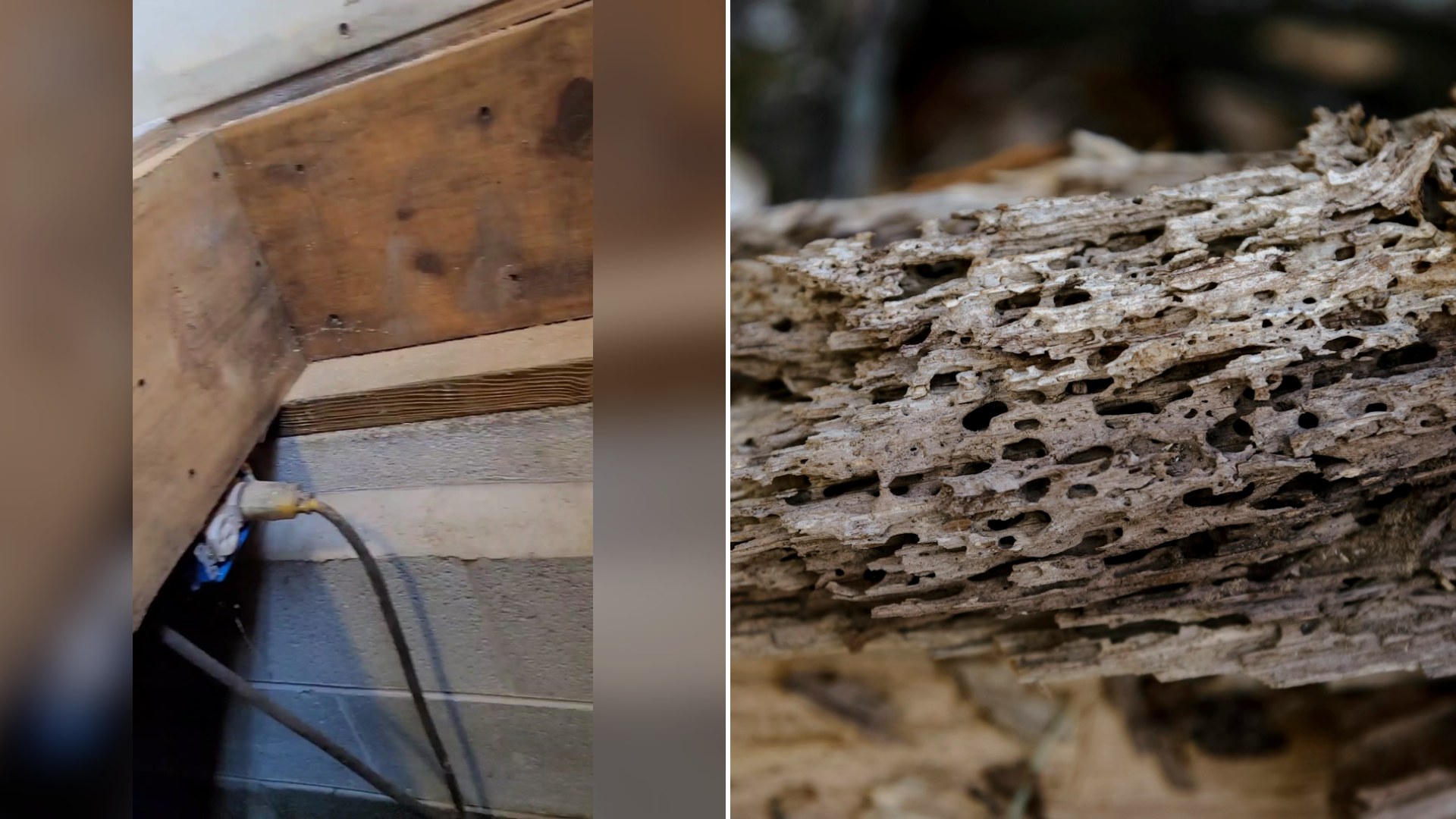
The post credits the original footage to another account, @bug_boys, and the caption points out that Charleston is a high-risk area for termites, so skipping the inspection there is never a good idea.
@thomasjoneshomes
What the Family Said
The conversation begins with a simple question to the homeowners: how long ago did you buy this house? In October, they answer. The next question is the one that matters. Did it have a termite inspection? Yes, they say. And what did the report say? That it passed.
The person asking the questions then wants to know how the inspection was arranged. He asks whether the realtor had recommended their own pest control company. The family answers yes. The realtor told them that they had a guy who comes out and does all their inspections. The expert sums it up for the audience: the family just bought this house, and it has a major termite infestation.
In the closing lines, he reminds his followers of something he says often, which is that termites will come out to the surface and then stop. The caption fills in the rest: major damage, an active infestation and an inspector who had said everything was fine.
It is important to be fair here. We only see a short conversation, and we do not know the full details of how the inspection was done, what the report said line by line, or what the family plans to do. A termite inspection is a visual check of the areas that can be reached, and hidden activity can be missed. Even so, the family’s experience raises a question many buyers never think to ask: who is the inspector working for?
Why “Hire Your Own Inspector” Is Good Advice
Real estate agents are often very helpful, and recommending professionals is a normal part of their job. Many agents have a short list of inspectors and pest companies they trust. Nothing is automatically wrong with using one of them. Still, a buyer is better protected by choosing an inspector independently, for a few reasons.
- Independence. An inspector who gets repeat business from one agent may feel pressure to keep deals moving. Even the most honest professional can face that tension.
- Accountability. If you hire the inspector yourself, your agreement is with you, and the report is written for you.
- Fit. In a high-risk area, a specialist with a strong local record may be worth more than someone who happens to be on an agent’s list.
You can still ask your agent for names. Just check reviews, license numbers and sample reports on your own, and then make the choice.
Why Warm, Humid Places Are Termite Hot Spots
Termites thrive in warm, humid places, and the caption flags Charleston as a high-risk area. Subterranean termites live in the soil and travel up through the foundation to reach wood. In regions like this, older homes, wooden structures and moist ground make termite protection a regular part of homeownership. Many homeowners in such areas keep a termite bond, which is an annual service contract with a pest company, and they take it seriously. Moisture is the common thread, so fixing leaks and keeping soil away from siding helps in any climate.
What a Good Termite Inspection Looks For
A thorough inspection should include more than a quick walk around the yard. Experienced inspectors typically check:
- The foundation and crawl space. They look for mud tubes, which are small tunnels of soil that termites build to travel safely.
- Wood in contact with soil. Steps, porches, fence posts and framing near the ground are common entry points.
- Moisture problems. Leaky pipes, poor drainage and damp crawl spaces attract termites.
- Window sills, door frames and baseboards. Tapping the wood can reveal hollow spots.
- The attic and eaves. Some termites, such as drywood termites, can be found higher up.
What Termite Damage Can Cost
One reason this story struck a nerve is the money. Termite damage is generally not covered by standard homeowners insurance, since insurers treat it as a maintenance issue. That means a family can end up paying for treatment and for repairs to framing, flooring or walls out of pocket. Costs depend on the size of the infestation and the type of treatment, which is why catching a problem before closing, when a seller can be asked to treat or credit the buyer, is so valuable. Ask any pest company what its treatment warranty covers and for how long, since terms differ widely.
Smart Steps for Any Homebuyer
- Ask for the full report, and read every page, including the sections that say an area could not be inspected.
- Ask about past treatments. The seller should disclose any known history, and a transferable warranty can be valuable.
- Consider a second opinion. If a house is in a high-risk area or looks suspicious, another professional’s view can be worth the cost.
- Keep up with inspections after you move in. Annual checks catch trouble early, long before a floor sags.
A termite inspection is only as good as the person who does it and the access they have. As this family’s story shows, a clean report is not always the end of the story, so choose your professionals carefully and stay involved in the process.
Leave a Reply