“You guys aren’t gonna believe this.” That is how landlord @amylynnkidd begins a video filmed the day she went to check on her rental after an eviction. The tenants had lived there for what she estimates was eight to ten years. Then they stopped paying rent. When she finally pulled up to the property, she found trash and garbage piled everywhere.
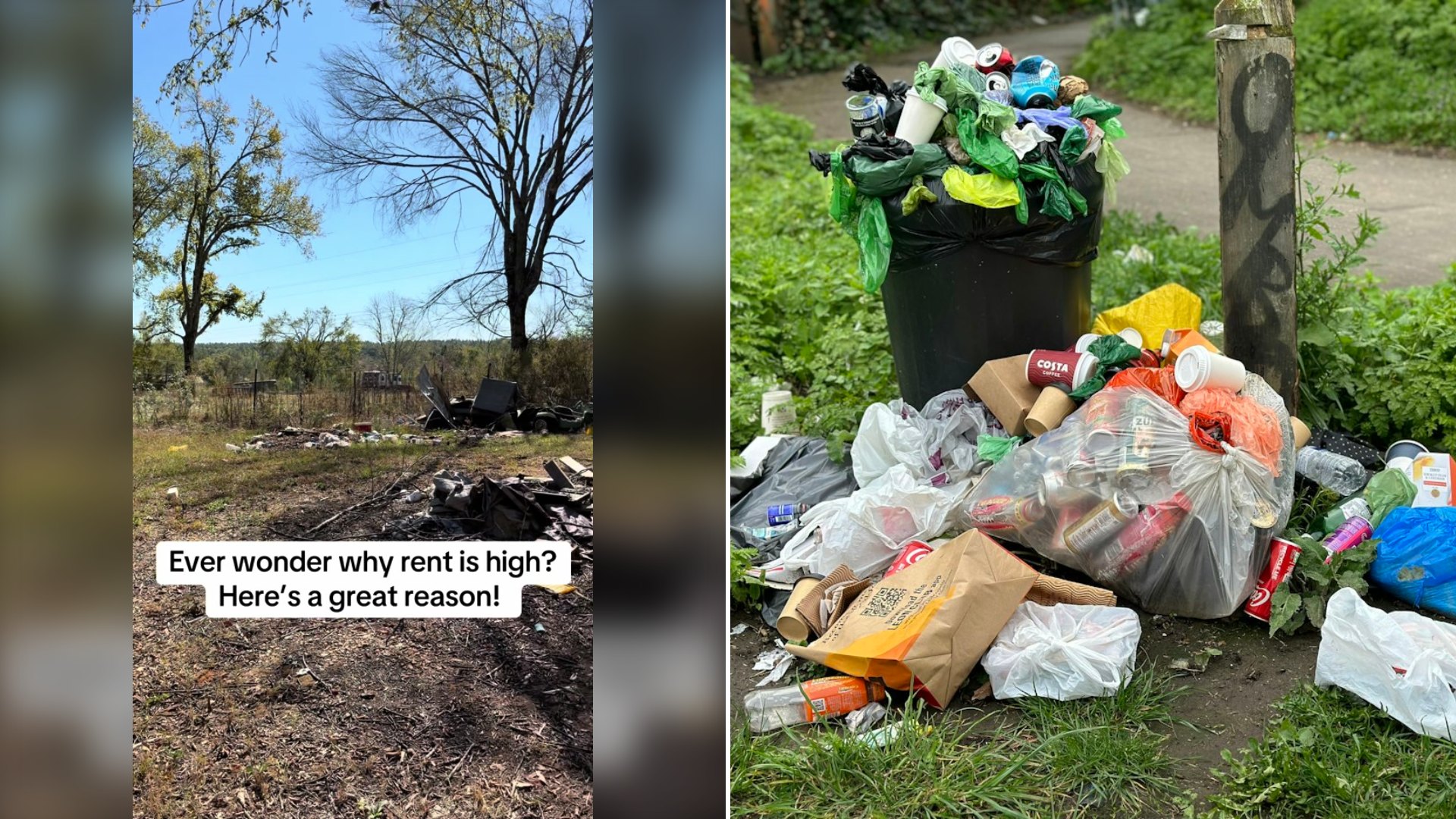
She gives a quick backstory before panning the camera across the yard. After the tenants quit paying, she went through the formal eviction process. They had until Tuesday of that week to be out.
That morning, she texted them to ask whether they had gotten everything they wanted from the property. They told her they had.
Then she arrived and saw what was left behind. “This is just the outside of the property,” she says. “It is amazing at all the trash and the garbage everywhere.” She shows the front porch area, also covered, and makes it clear the outside is only the beginning. “You’re not gonna believe the inside,” she says, promising a part two.
@amylynnkidd
Her caption makes her point directly: “Rent is HIGH!! Here’s a glimpse as to why!! In case you didn’t know LANDLORDS have a tough job!”
For many people, the length of the tenancy is the most striking part. Renters who stay eight to ten years are usually the kind landlords hope for. Something clearly changed, and the video does not say what. What it does show is the aftermath that small landlords dread most.
Why Cleanups Like This Cost Everyone
Her caption touches on something real. When a rental is left full of trash, the owner pays for haul-away, dumpster rental, cleaning crews and often repairs, on top of the months of unpaid rent and court costs that come with an eviction. The unit also sits empty while it is being fixed, earning nothing.
Small landlords, including many retirees who rent out a second home or an inherited house, often do not have the cushion a big company does. Those losses can get folded into future rents or push some owners to sell. Neither is good news for renters looking for an affordable place.
What Landlords Should Do After an Eviction
If you own a rental, here are some steps that protect you when a tenancy ends badly.
Know the rules on left-behind belongings. Many states have specific laws about personal property a tenant leaves after moving out or being evicted. Some require written notice and a storage period before items can be thrown away or sold. Getting the tenant’s confirmation in writing, as she did by text, that they have taken what they want is a smart move. Save it.
Document everything. Take dated photos and video of every room and the outside before you touch a thing. Compare them to your move-in photos.
Keep receipts. Save every invoice for dumpsters, junk removal, cleaning and repairs.
Follow your state’s deposit rules. Send the former tenant an itemized list of deductions within the legal deadline, even if the damage exceeds the deposit.
Go after the balance if it makes sense. Unpaid rent and damages beyond the deposit can often be pursued in small claims court or included in the eviction judgment. Collecting can be hard, but a judgment can stay on the record and may be collectible later.
Change the locks right away and secure the property so it does not attract dumping or squatters while it is empty.
Protecting Your Rental Before Problems Start
Long, smooth tenancies can make landlords relaxed, and that is when trouble can sneak up. A few habits help.
Inspect regularly. With proper notice, a yearly walk-through lets you spot problems early, from leaks to clutter that is getting out of hand.
Act quickly on late rent. Talk to the tenant early. A payment plan or referral to local rental assistance programs may solve a short-term crisis before it becomes an eviction.
Keep the lease current. Renew in writing and update terms as laws change.
Screen carefully. Check income, rental history and references for every new tenant, and apply the same standards to everyone to stay within fair housing laws.
Consider professional help. A property manager typically charges a percentage of monthly rent, but can handle screening, inspections and evictions if you live far away or simply want a break.
If You Are a Renter Who Falls Behind
Life can change fast, with a job loss, illness or divorce. If you cannot pay rent, tell your landlord early and in writing rather than going silent. Ask about a payment plan. Call 211 or your local housing agency to ask about emergency rental assistance, and contact legal aid if you receive an eviction notice, since you may have more time and options than you think. And if you do have to move, take what you need, leave the place broom clean and hand back the keys. It can make a real difference to your next rental application.
For landlords, the video from @amylynnkidd is a hard reminder to keep good records, stay involved with the property, and know the law before the day you need it. Part two, she promises, will show the inside.
More From Willow and Hearth
- Handyman Shuts Down His Business After Five Years and Hundreds of Jobs and Shares What He Learned
- Former Landlord Says In Some Places Your Security Deposit Is Supposed To Earn Interest, And Tenants Who Never Asked Have Been Leaving Money Behind
- She Sued Her Landlord And Won, And Now She Is Choosing Peace Over A Fight About What She Says Is $550 Too Much Taken From Her Deposit
Leave a Reply