An elderly woman in her 80s had just bought a brand-new home in Melbourne, Australia, when her builder went into liquidation. Her roof was scratched and things looked wrong, so she called a plumber in distress.
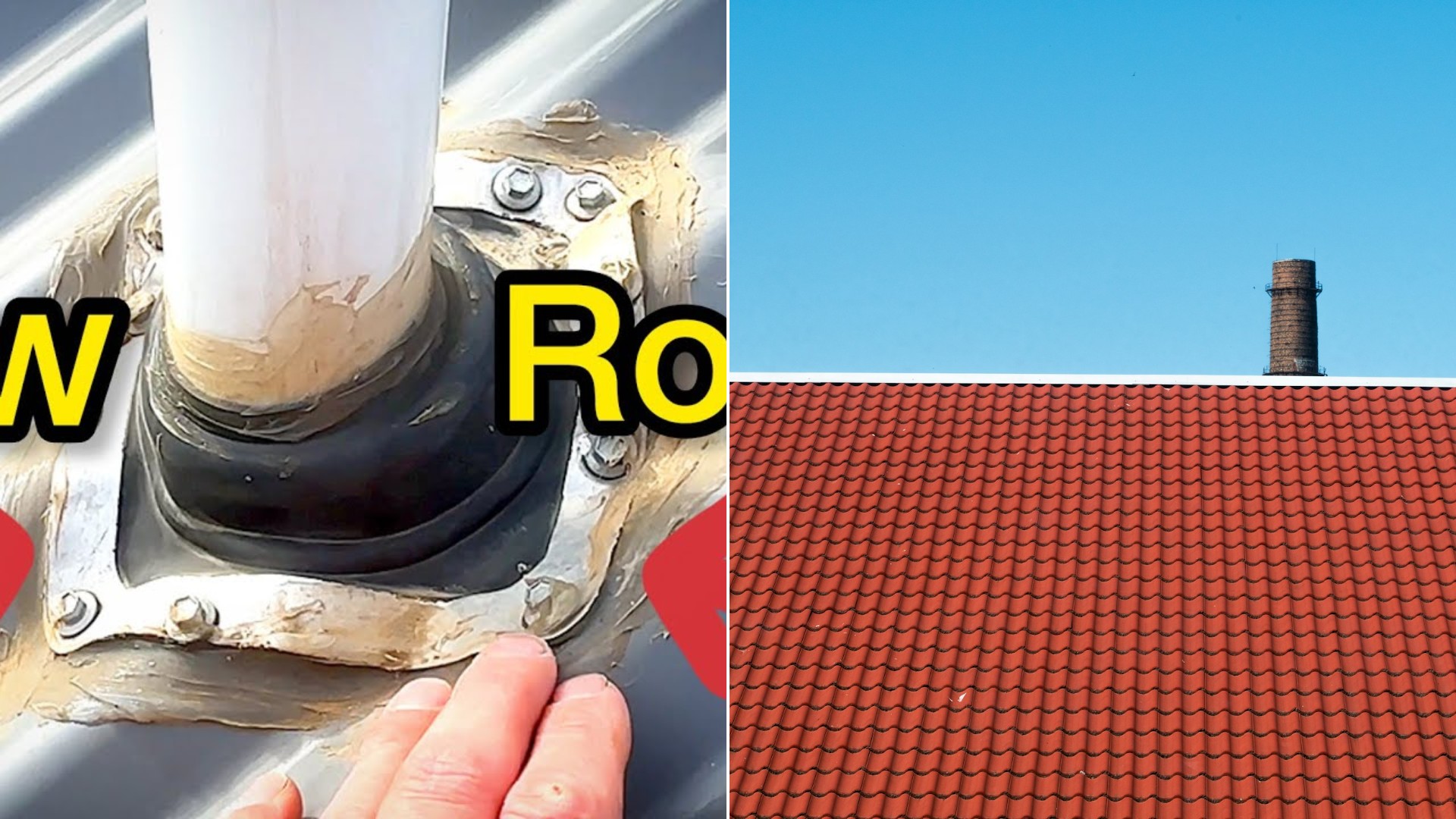
The plumber behind @btp.plumbing thought, “How bad can it be?” Then he climbed up and says he was amazed. In his words, the neglect and poor workmanship left him “appalled” and “embarrassed to be a tradey.”
She is not getting up there to clean the gutters or inspect the roof herself, so he did it for her. He says she is now “up the creek” and has to pay him to fix it.
“I See A Lot Of Dents” Where Crews Put Too Much Weight Between Supports
He set a jumper on top of his ladder so he would not scratch the gutter, because respecting the client’s home comes first. Up on the top story, the first thing he saw was dents in the corrugated iron.
That happens, he explains, when people put too much weight on a sheet between supports. You can hear the noise when a sheet caves in on the rib, and he stepped on one himself while filming.
He says any sheet with a kink in it needs to be replaced, and he counted lots of them. He puts it down to poor workmanship, a bit of negligence and probably a lack of knowledge.
Scratches Everywhere, Including Valleys Where Exposed Metal Means Rust
The next problem was scratches, which he says were “lit up like a Christmas tree” across the roof. The valleys were badly scratched, with rub marks where sheets had been walked on and cut sheets had scraped the paint off.
Exposed material means rust, he says. He adds that touch-up paint does not fix it, because it discolors and ages differently in the sun than the factory finish, so it would look blotchy in years to come.
He also spotted roof screws that were overtightened, with the rubber seal pinched out or collapsed. That seal is meant to make the screw watertight. In some places the screw line had been missed entirely, and some fixings sat too high, so people walking on the roof dented the sheet.
The Sewer Vent And An Air Conditioner Pipe That Could Push Rain Back Inside
At the sewer vent, he found a silicone job he called appalling and incorrect fixings. The screws used on it, he says, are non-compliant and have no thread in the thin material, and the rivet spacings far exceeded the 40 mm he likes to see. He would remove it, clean up the silicone, and install a new one with rivets, which means far fewer leaks.
Elsewhere, an air conditioner discharge pipe came out horizontally with no turn-down. Water would sit at the bottom of the pipe, and wind-driven or heavy rain could be pushed back into the roof space and wall.
His fix is a 90-degree bend on the end, which he measured as 25 mm pressure pipe, and color-matched mastic to seal the penetration.
Downpipes Fitted Before The Render, So There Is Nothing Waterproofing The Wall Behind Them
The worst, he says, was at the front. The clips show the downpipes were installed first and the render applied afterward, which is the wrong order. That leaves no render or waterproofing behind the pipe.
Over the years, he says, water will hit the wall, run behind the downpipe, get into the wall and mold it up. Old render was also caked across and walked over, leaving more scratches.
He also criticized the downpipe spreaders. The holes were about 25 mm, when he says they should be at least 40 to 50 mm so leaf debris can pass through. They were already full of debris, and blocked ones will overflow at the joint and discharge water into the apron, which he says is not allowed for compliance reasons because of the leaks it causes.
A valley that ends in a stop end he called poor design, adding he is not surprised the gutters overflow.
“This Is Only The Roof,” And His Plan Is To Package Everything Together
He stresses this is only one small part of the build. Nothing here covers the plumbing inside the walls, the concreting, the timber work, the electrical work or the drainage.
His plan for the client is a good, better, best package, so everything is hit once and done right. “Done once, done right” is the BTP mentality, he says, and then she does not have to worry about a lot of things moving forward.
He closes by asking viewers whether they have ever seen a roof in a worse state.
What New-Home Owners Can Take From It
Hardly anyone ever climbs onto their own roof, which is how problems like these go unnoticed. The creator’s example suggests a few practical steps for anyone with a new build, especially an older owner who cannot get up a ladder.
- Have an independent tradesperson inspect the roof, gutters and downpipes soon after you take possession.
- Ask for photos or video of the roof, since you may never see it yourself.
- Look for scratches, dents and pinched screw rubbers, and have them dealt with before rust sets in.
- Make sure downpipe spreaders and gutters can clear leaf debris, and check that air conditioner drain pipes turn down.
- Get repair quotes packaged, so one visit covers everything.
The woman at the center of this story did the right thing by calling someone the moment she sensed something was wrong. A distressed phone call led to a roof inspection she could never have done herself.
More Stories You May Like
- Third Plumber Called After Two Drain Fixes Failed Finds the Real Blockage at the Grease Trap and Clears It With a Pointy Nozzle
- Skipping The Sewer Scope Roof And Crawlspace On A Home Inspection Is A Gamble And Buyers Who Skip The Walkthrough Miss The Chance To Ask Questions
- Kalorik MAXX Air Fryer Oven Doors Can Suddenly Close On Your Arm With Dozens Of Burns Reported And The Brand Owner Says No To A Recall
Leave a Reply