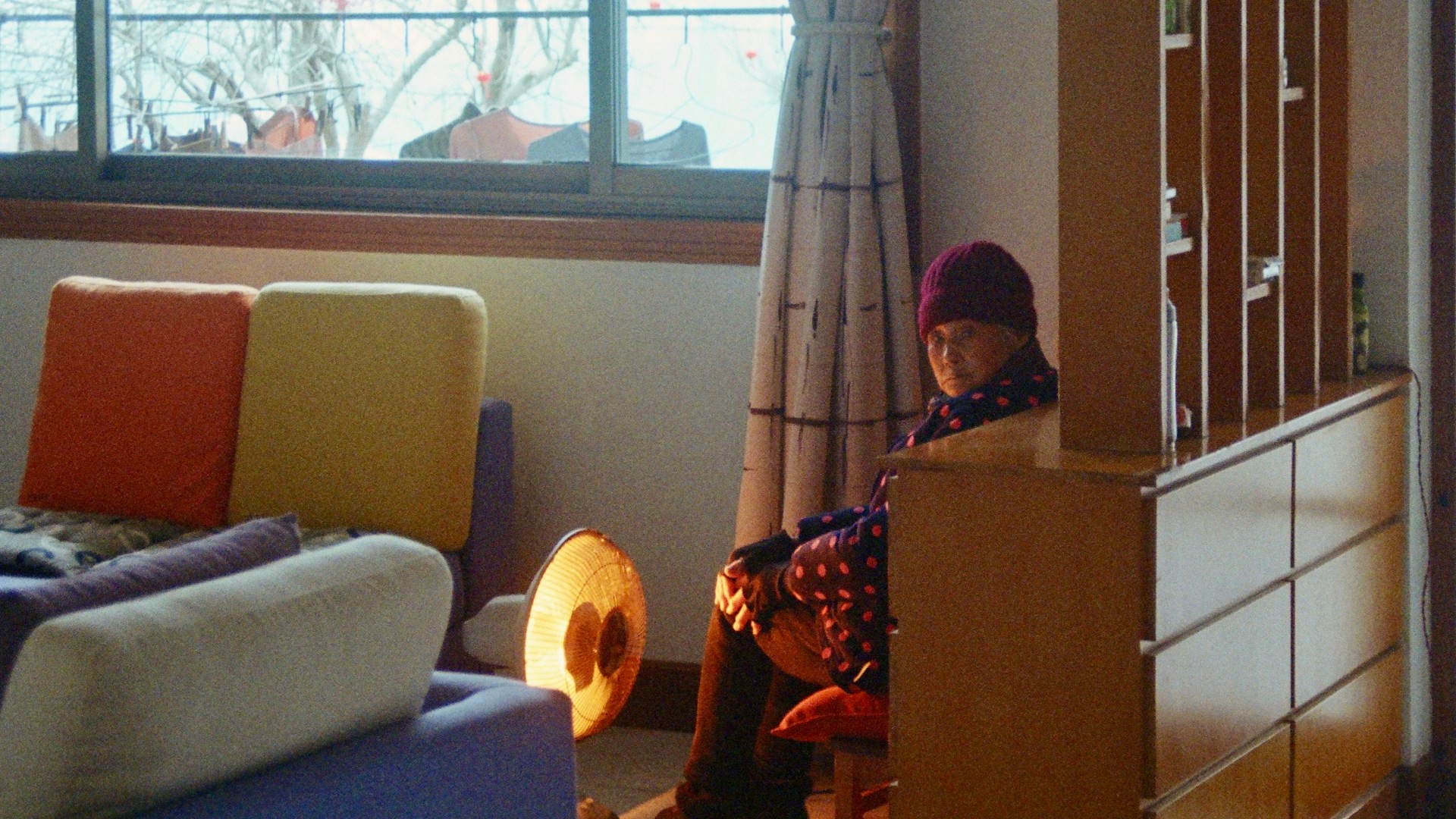
Winter is the season when many of us drag out the space heater, light the fireplace and turn up the furnace, and it is also the season when home heating fires pile up. According to figures from the National Fire Protection Association (NFPA) covering 2020 to 2024, heating equipment sparks an average of 37,365 home fires a year in the United States. Those fires add up to about $1.2 billion in property damage annually.

The numbers were reported on February 13, 2026, by Carrier Management, which summarized the NFPA data. The NFPA also publishes its own home heating fire research on its heating safety page, and that is where the core findings below come from.
Heating Fires Make Up 11% Of All Home Fires Every Single Year
NFPA data shows that heating equipment is behind 11% of all home fires. That is more than one in ten house fires traced back to the very things meant to keep us warm.
The $1.2 billion price tag is only the property damage. It does not count the cost of living in a hotel while a house is repaired, the family photos that cannot be replaced, or the stress of starting over in the middle of winter.
These are not rare accidents. With roughly 37,365 heating fires a year on average, nearly every neighborhood has a story about a heater placed a little too close to something that burns.
Space Heaters Cause The Biggest Share Of Deaths In These Fires
Among all the ways a home can be heated, the NFPA singles out portable space heaters and heating stoves as the biggest trouble spot. Based on the NFPA’s 2020 to 2024 figures, they account for roughly 30% of home heating fires.
The deadlier part is what happens when those fires start. The same NFPA research ties space heaters and stoves to about 73% of the deaths in home heating fires, which is why safety experts keep returning to them every winter.
That is why the headline advice is so simple. If you own one of these heaters, how and where you use it matters more than almost anything else you do to heat your home.
Three Feet Is The Rule That Keeps A Warm Room From Turning Into A Fire
The most repeated piece of heating safety advice is to keep anything that can burn at least three feet away from a space heater. That includes the couch, the recliner, curtains, bedding, newspapers, clothes and even the dog bed you moved next to the warm spot.
Take a tape measure and check your own living room tonight. Many of us set a heater down where it fits, not where it is safe, and a couch cushion or a throw blanket that slowly drifts toward the heater can catch long before anyone notices.
Give the heater a clear, flat, hard surface. A carpeted floor is fine if the heater is built for it, but a heater should never sit on a couch, a bed or a wobbly table, where it can get knocked over.
Look For Tip-Over Shutoff And Plug It Straight Into The Wall
If you are shopping for a new heater, look for a model with an automatic shutoff that turns the unit off if it tips over. Many newer heaters also shut down if they overheat. These features cost little and can mean the difference between a scare and a disaster.
Check for a mark from an independent safety testing laboratory on the box and the cord. It tells you the heater was tested against recognized safety standards.
Plug a space heater directly into a wall outlet. Heaters pull a lot of power, and plugging one into a thin extension cord or a power strip can overheat the cord. Safety experts generally advise against it, and the manufacturer’s manual will usually say the same.
Turn It Off When You Leave The Room Or Go To Bed
A space heater is not a night light. Turn it off when you leave the room and before you go to sleep, even if the room feels chilly. A warm blanket costs nothing and does not start fires.
Keep children and pets away from the heater, and never use it to dry wet clothes or shoes. Those habits put fabric right up against a hot surface.
Inspect the cord each season. If it is frayed, cracked or hot to the touch, or if the plug feels warm in the outlet, stop using the heater and replace it.
Fireplaces, Wood Stoves And Furnaces Need Attention Too
Space heaters get most of the attention, but the NFPA’s heating category covers central heating and fireplaces too. If you burn wood, have the chimney inspected and cleaned by a qualified professional before the season starts, because built-up deposits in a chimney can ignite.
Use a sturdy screen in front of the fireplace so sparks stay put, and let ashes cool completely before you move them. Store ashes in a metal container, away from the house, not in a paper bag or a plastic bin on the porch.
Have your furnace serviced once a year, keep the area around it free of boxes and paint cans, and change the filter on schedule. A furnace that is clean and clear of clutter runs better and safer.
A Quick Winter Safety Checklist Worth Doing This Weekend
Walk through the house and measure the distance between each heater and the nearest furniture. If it is under three feet, move the heater or the furniture.
- Test every smoke alarm and replace dead batteries.
- Make sure there is a working alarm on every level and near sleeping areas.
- Plug heaters straight into the wall, never into an extension cord.
- Pick heaters with automatic tip-over shutoff.
- Turn heaters off when you leave a room or go to bed.
- Schedule a chimney and furnace inspection before the cold sets in.
Talk through an escape plan with everyone in the house, too. Know two ways out of every room and a spot outside where everyone meets. Practice it once, so it is not the first time you think about it when an alarm is sounding.
The NFPA’s research makes one thing clear. Heating is a major source of home fires, and a few inexpensive habits, starting with that three foot gap between the heater and the couch, are the best defense a household has.
More Stories You May Like
- Property Tax Bills Jumped 3.7% In 2025 To An Average Of $4,427 While Home Values Slipped 1.7% And Inflation Only Rose About 2.7%
- Two Men Paint A Fence In 40 Minutes But One Takes 1 Hour Alone And Most People Get How Long The Other Needs Completely Wrong
- College Student Fells Thirty Foot Red Cedars on His Family Land and Stacks a Massive Log Cabin by Hand While Driving Six Hours Home Whenever He Can, and Halfway Through He Has One Message
Leave a Reply