A leak does not have to flood the kitchen to cost you. The sneaky ones drip behind the scenes, day after day, while the water meter quietly spins.
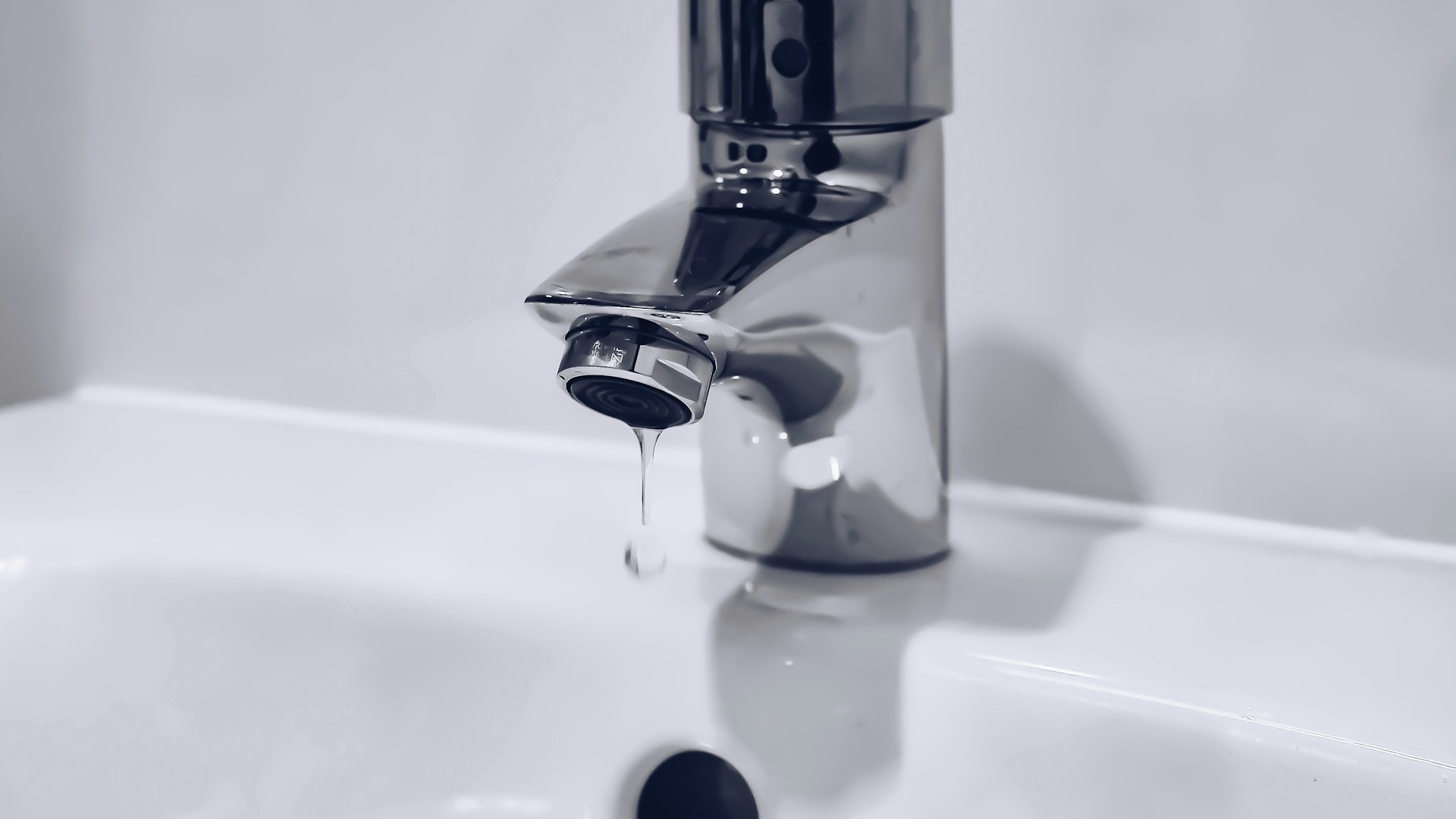
The Environmental Protection Agency’s WaterSense program puts the problem in big numbers on its Fix a Leak Week page. The agency says household leaks waste “nearly 1 trillion gallons of water annually nationwide,” and that the average household’s leaks can waste more than 9,300 gallons every year.
The EPA also says 9% of homes have leaks that waste 50 gallons or more per day. The good news is that many of the usual suspects are simple fixes. Here are six hidden leaks to check around your house, based on the agency’s guidance.
Grab a notepad and a flashlight, and work through your house room by room. Most of these checks take only a few minutes, and none calls for special skills.
Do the quiet checks first, such as the dye test and the meter reading. They show you where to focus before you pick up a single tool.
The idea is simple. A leak is much easier to handle when you catch it early, and the parts involved, such as a flapper or a washer, are small ones.
The Toilet That Leaks Without Making A Sound
The EPA says worn flappers cause toilet leaks and should be replaced at least every five years. A bad flapper can make a toilet flush on its own or, in the agency’s words, “silently leak thousands of gallons a year.”
There is an easy test. Add a few drops of food coloring to the tank, and if color shows up in the bowl after 10 minutes, you have a leak.
That is a ten-minute job with a bottle from the kitchen drawer. Flush right afterward so the dye does not stain the bowl, and then plan on a new flapper if the color showed up.
The Faucet That Drips Once A Second
According to the EPA, worn washers and gaskets are a common cause of faucet leaks. A faucet dripping once per second can waste more than 3,000 gallons per year, which the agency says is about 180 showers’ worth.
The agency’s advice is to turn off the water line before you make repairs. After that, replacing the worn part is the usual fix.
Listen for drips at night when the house is quiet. A kitchen, bathroom and utility sink are all worth a quick check, and so is the tub faucet.
The Showerhead That Drips After You Shut It Off
The EPA says a showerhead dripping 10 times per minute can waste more than 500 gallons per year, about 60 dishwasher loads. It does not look like much, but it adds up all year.
The agency says fixes include tightening the connection and applying pipe tape. It is a job most people can handle with a wrench and a few minutes.
Check the arm and the connection when the shower is running. Then look again after you shut it off, since a drip that lingers is the one the agency is talking about.
The Sprinkler Line That Springs A Leak In The Yard
The EPA says a leak 1/32 inch in diameter, about the thickness of a dime, can waste about 6,300 gallons per month. It is a tiny hole with a big appetite.
The agency recommends inspecting in-ground irrigation systems each spring for frost or freeze damage before use. For in-ground leaks, it suggests consulting a professional certified by a WaterSense-labeled program.
Walk the yard while the system runs. Soggy spots, bubbling puddles and geysers are the giveaway, and a patch of lawn that stays greener than the rest is worth a look.
The Garden Hose Connection At The Spigot
The EPA lists garden hose connections at the spigot as a common leak spot, where the washer can fail. Its advice is to check the connection and replace the washer if it leaks.
Washers are inexpensive and sit right in the end of the hose. Swapping one takes less time than watering the porch by accident.
Check it in spring when you hook up the hose. Then give it one more look after a hard rain or a long summer of use, since the washer takes a beating.
The Hidden Leak You Can Find With Your Water Meter
For leaks you cannot spot by eye, the EPA suggests a two-step meter check. Read the meter, wait two hours with no water use, then read it again, and a change at all likely means a leak.
The agency also says a family of four using over 12,000 gallons in a cold month, such as January or February, may have serious leaks. Compare that figure with your own bill, which usually shows your monthly usage.
If the meter moves, start with the toilets, the faucets and the outdoor lines above. Most of the leaks the agency describes live in one of those places, and a few simple repairs can end the mystery. Fix what you find, then run the two-hour meter test again to be sure the water has stopped moving.
More Stories You May Like
- Realtor Tells an Inspector the Whole 1960s House Is Completely Brand New and the Inspection Finds a Leaning Fence Dead Outlets and the Wrong Screw in the Electrical Panel
- Couple Wins an 1830s Stone House at Auction After the Husband Smiles at the Auctioneer, Who Takes It as a Bid and Says Sold, Leaving Them Twenty Thousand Dollars Over Budget
- This Homeowner Says Every Repair Quote They Get Is Over $1,000 Including $7,500 To Fence A Tiny Backyard And Calls Owning A House A Scam
Leave a Reply