“The Realtor just said that the inside and the outside, everything is completely brand new. So there shouldn’t be any problems whatsoever.” That is what a home inspector says he was told as he began work on a 1960s house in this YouTube inspection. His reply is the kind only a veteran can give: “Well, again, I’ve heard that thousands of times.”
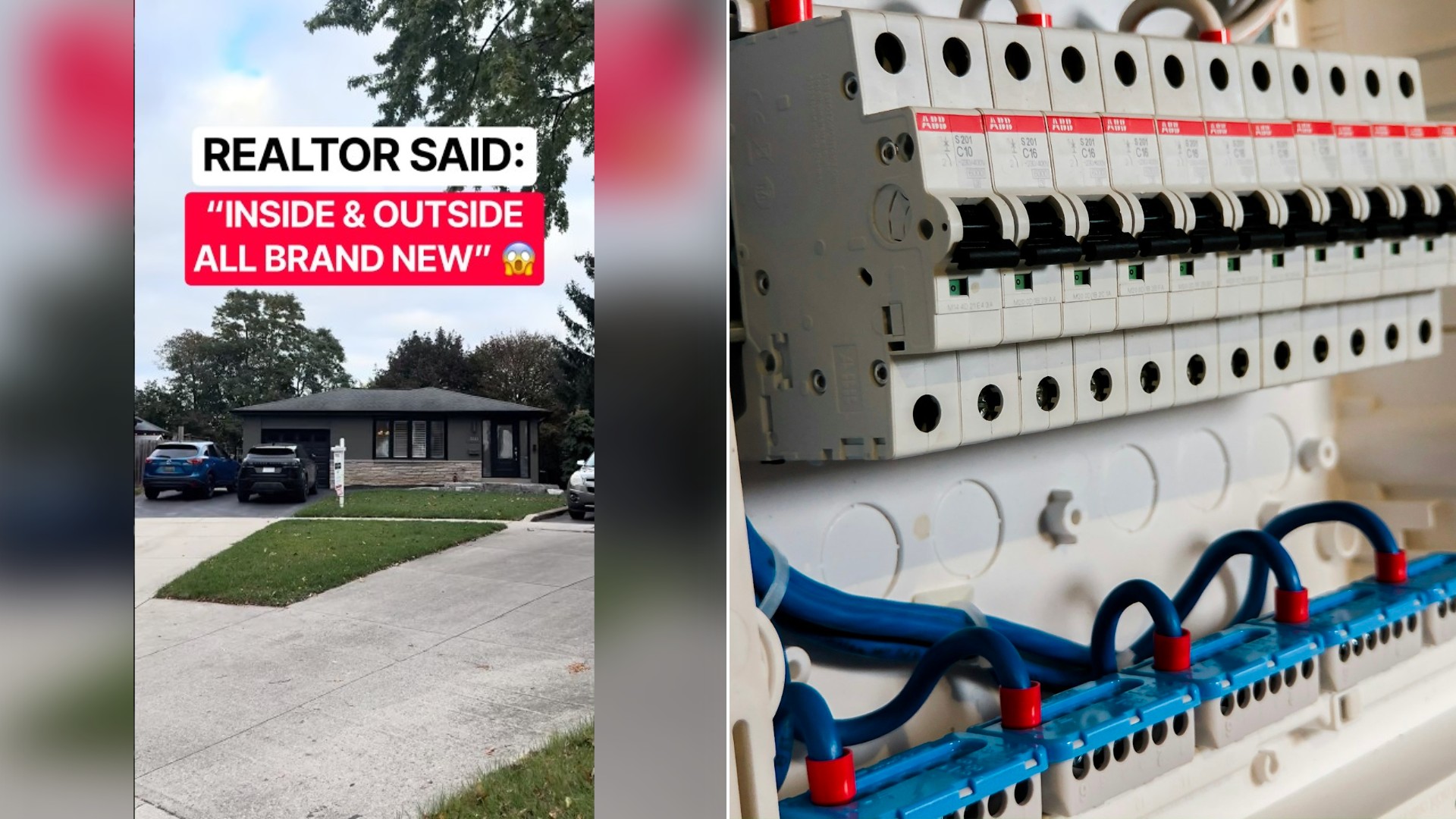
A house from the 1960s that is brand new inside and out is a tall order. Homes that age usually carry a mix of original parts and later updates. So he does what inspectors do, and starts looking around.
It does not take long to find things, and not all of them are small.
Starting outside
The first stop is the shed. The latch does not line up properly, and the shed receptacles do not work at all. Dead outlets in an outbuilding can mean a wiring problem or a tripped protective device, so they are worth chasing down.
Next he points out that one section of the fence is leaning inward a little bit. It is hard to see, he admits, but it is there. He later suggests adding a secondary post beside the existing one, a solid post, because posts tend to fail at the top, and he says he has seen them bend before.
Then he looks up at the roof, which has some discoloration that is actually worse at the back. He says that discoloring like that usually means the shingles will need to be replaced within two or three years. For a house described as completely new, that is a surprise.
A tight squeeze and a panel problem
Inside the garage, he spots the attic hatch, and it is tiny. He guesses it is about 10 inches by 20 inches. He wonders how he will fit his body through with a ladder, and jokes that he is not as skinny as he used to be. Something else does not work properly either. He tests it by holding a button down, and it still will not close, and he is not sure how he will get the door closed before he leaves.
The biggest concern comes at the electrical panel. He opens it, and the first screw that comes out has a pointed end. That is the wrong type of screw, and he says you are not supposed to use it there. Panels are not a place for substitutions. The right fasteners are made for the job, and a sharp, pointed screw can damage wiring inside.
He also notices a moisture stain and cardboard boxes nearby. Through it all he keeps his sense of humor, even as the list grows.
What “everything is new” really means
Maybe the Realtor was repeating what the seller said. Maybe some updates really were done. But “brand new” is a claim, not a guarantee, and the real condition of a house is something only an inspection can tell you. When the inspector gets to the details, even a house with a fresh look can turn up a latch, an outlet or a panel that tells a different story.
It also helps to remember that older homes can be wonderful. A 1960s house often has solid bones and mature trees, and an honest list of repairs lets you decide with open eyes what you are taking on.
How to protect yourself when a house is “all new”
- Ask what, specifically, was updated. “Completely new” can mean fresh paint and flooring. Ask for a list: roof, wiring, plumbing, heating and cooling, windows.
- Ask for receipts and permits. Real renovations usually leave a paper trail. For major work such as electrical, plumbing and roofing, your local building department can tell you what permits were issued.
- Get an independent inspection. Hire your own inspector, not one suggested by the person selling the house.
- Go along with the inspector. You will learn where the main shutoffs are and see problems in person.
- Do not skip the outbuildings and fence. A shed with dead outlets or a leaning fence may seem minor, but they can mean more work and more cost than expected.
- Look at the roof’s age. Ask how old the shingles are. Roof replacement is one of the bigger bills for a homeowner, so you want to know what is coming.
- Use the report. You can ask for repairs, a credit or a lower price, or decide to walk away.
- Have electrical concerns checked by a licensed electrician. If an inspector flags a panel problem, do not try to fix it yourself. Electrical panels are dangerous to open and should be left to licensed professionals.
The lesson is a simple one. Trust, but verify, especially when the biggest purchase of your life is on the line. A cheerful promise that nothing could possibly be wrong is the cue to look closer, and a good inspector will do exactly that.
More Stories You May Like
- She Bought A 10 Acre Farm At 30, And Six Months Later Has A Fall Harvest, A 12 Panel Solar Array And A Modern Wood Stove
- Home Inspector Finds A Gas Meter With A Broken Top Held Together With Tape, Then Learns Nobody Ever Called The Gas Company To Fix It
- Gardener Strips A Tomato Plant Down To One Leaf And Lays It Sideways In A Trench So The Stem Turns Into Roots And Grows Bigger Tomatoes
Leave a Reply