Some home inspection findings are funny, and some are simply alarming. A Calgary-area inspector who posts at @yycinspectormarty shared one that falls squarely in the second group: a gas meter with a broken top that someone had covered with tape.
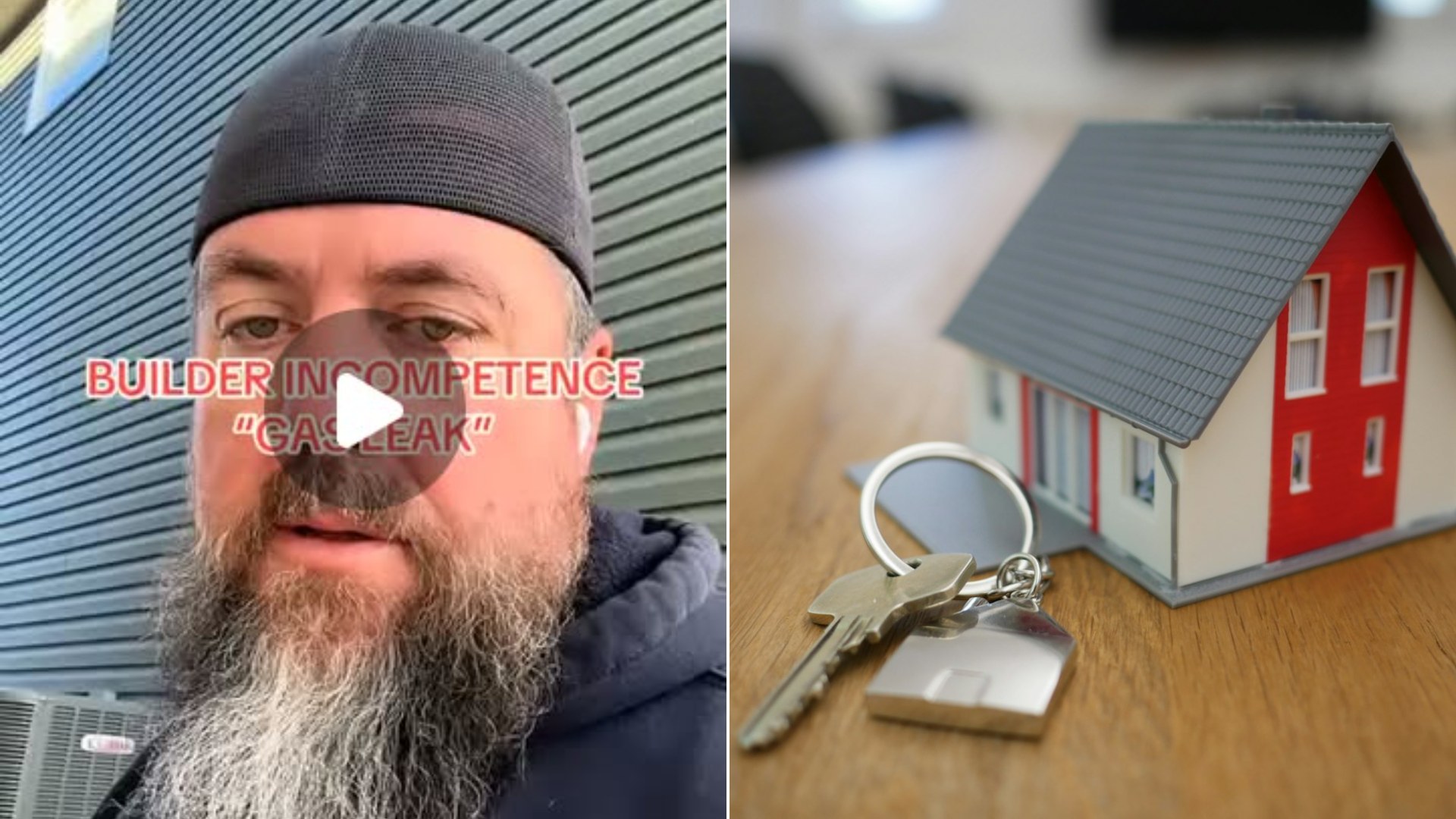
In his caption, the inspector says it is hard to imagine breaking the meter and then taping it to prevent the gas leak. Even more unimaginable, he says, is that nobody called the gas company to get it fixed. He notes that this was new construction. In the video he points out the tape on top of the meter, a depression in the meter, and the broken top that had been taped over. His reaction, which we have cleaned up for this article, is that it was time to call the gas utility. He was clearly unhappy about what he found.
We do not know how the damage happened, who covered it, or how it was resolved, and the video does not say. What it does make clear is a simple lesson for every homeowner: a damaged gas meter or gas line is not a do it yourself job, and tape is never the answer.
Why Gas Equipment Is Different
Natural gas is a convenient and common way to heat homes and cook, and it is safe when the equipment is in good shape. But gas leaks can be dangerous because gas can build up and ignite. For that reason, the meter and the pipes that feed it are normally handled by the gas utility or licensed professionals. If you notice that a meter looks damaged, dented, loose or tampered with, many utilities say to treat it as a possible emergency and contact them right away. Procedures vary by utility and by country, so check with yours.
What to Do If You Smell Gas
Gas utilities commonly add a strong odor, often described as rotten eggs, so leaks are easier to notice. General safety guidance from many gas companies includes the following steps. Always follow the instructions from your own utility and local emergency services.
- Leave right away. Get everyone, including pets, out of the home or building immediately. Do not stop to gather belongings.
- Do not use anything that could spark. Avoid light switches, appliances, garage door openers, lighters, matches and doorbells. Do not start a car in an attached garage.
- Do not use your phone inside. Many utilities advise going outside, a safe distance from the building, before you call.
- Call from a safe place. Contact your gas utility’s emergency number or your local emergency number, such as 911, from outside. Keep the number for your gas company saved in your phone.
- Stay out until you are told it is safe. Do not go back in until the utility or emergency responders say so.
- Do not try to repair it yourself. Leave the work to the utility or a licensed gas fitter, and never use tape or putty on gas equipment.
Signs of a Possible Gas Problem
Besides the smell, safety agencies often list other warning signs. These may include a hissing or whistling sound near a gas line or appliance, bubbles in standing water outdoors, dead or discolored plants in an otherwise healthy area near a gas line, and a damaged or dented meter or pipe. If you notice any of these signs, treat it seriously and call your utility.
Everyday Gas Safety Habits
- Know where your meter and shut off valve are. Ask your utility how and when to use it. Many advise leaving the shut off to professionals unless there is an emergency.
- Keep the area around the meter clear. Do not stack items against it or let it become buried in snow, plants or debris.
- Have appliances serviced. Furnaces, water heaters and gas stoves should be checked on a regular schedule by qualified technicians.
- Install carbon monoxide alarms. These are recommended on every level of a home with fuel burning appliances. Test them often and replace batteries as needed. Note that carbon monoxide alarms do not detect natural gas leaks.
- Call before you dig. If you plan any digging, call your local utility locating service first so buried lines can be marked.
- Hire licensed professionals. Any work involving gas lines should be done by someone who is qualified and permitted to do it.
A Lesson for New Home Buyers
The inspector points out that this was a new build, which is a reminder that new does not always mean perfect. A professional home inspection, even on a brand new house, can catch problems that are easy to miss. If you are buying, many agents suggest attending the inspection if you can, asking the inspector to point out the shut off locations and noting anything that concerns you in writing.
The takeaway from this story is not complicated. If something looks wrong with a gas meter, do not tape it, ignore it or assume somebody else has already reported it. Make the call. A few minutes on the phone is a small price compared with the risk.
More from Willow and Hearth
- Inspector Nearly Cuts His Hand on the Railing of a $1.7 Million Home, and That Is Only the Start of the Hidden Defects He Uncovers Room by Room
- He Says He Scared Off Thieves By Charging At Them Waving His Arms Like An Orangutan, Then Leaving His Off Grid Land Unsecured Cost Eight Years Of Progress
- She Tore Up The Carpet To Reveal Hardwood Stairs, Hit Day Six Of Scraping Paint, And Now Says The Mistakes May Cost $8,000 To Fix
Leave a Reply