Home inspectors crawl into some strange places, and they tend to have stories to match. A Roseville, California inspector who shares his work at @davidmaffei says he found the wildest thing he has seen on a home inspection, and it was waiting under the house: a toilet sitting on a platform in the crawl space.
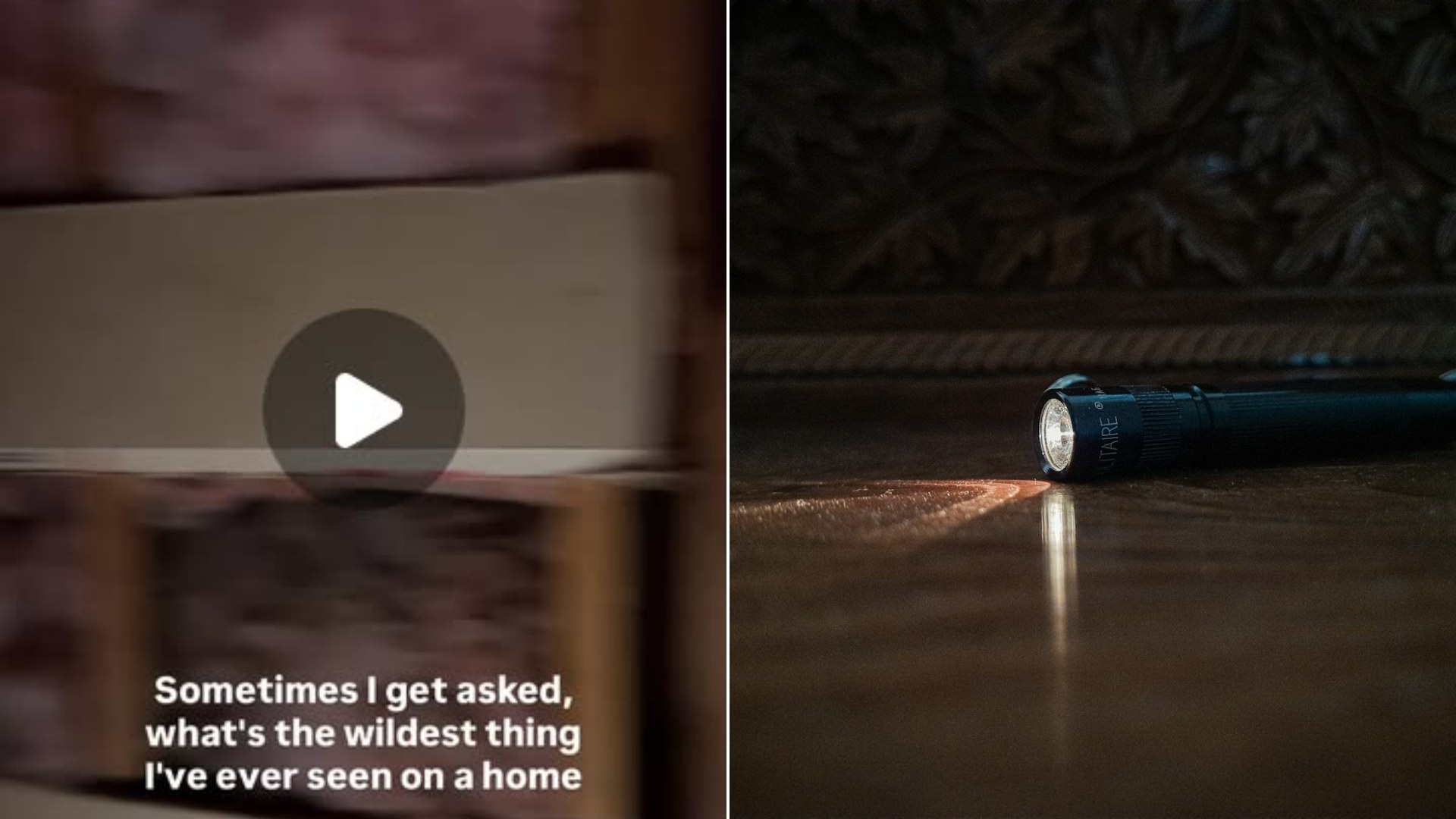
The clip has drawn a huge audience, and it is easy to see why. According to the inspector, this was a fully installed toilet, not one being stored. His first thought, he says, was that the owners must be keeping it down there. But then he noticed there was a water line running to it, along with a waste line that ties into the rest of the house. In his words, the whole setup was in place.
That is all the video tells us. We do not know who installed it, why it was there, or whether it worked, and we will not guess. What we can say is that a toilet with supply and waste lines in a crawl space is certainly not what an inspector expects to find, and it makes for a great story.
Why a Crawl Space Surprise Matters
A crawl space is the shallow area under many homes, and it often hides plumbing, wiring, ductwork and the foundation. Because it is out of sight, things can end up there that nobody on the surface knows about. A strange addition does not necessarily mean something is wrong, but unusual plumbing is something an inspector will want to look at closely. Plumbing that was added without a permit, for instance, may not have been done to local code, according to many home buying guides. Rules vary by city and state, so a local professional can tell you what applies.
What to Look for in a Crawl Space
If you are buying or living in a home with a crawl space, these are the kinds of things inspectors and homeowners are often advised to look for. These are general tips, not from the video, and a licensed inspector or contractor should handle anything involving safety or repairs.
- Moisture and standing water. Damp soil, puddles, stains or a musty smell can point to drainage or leak problems.
- Plumbing leaks. Look for drips, wet insulation, rust, or discoloration on pipes. Waste lines should slope properly and be well supported.
- Unusual or unfinished plumbing. Fixtures, pipes or connections that seem out of place deserve a question and possibly a permit check.
- Mold and mildew. Dark spots on wood or insulation can be a sign of too much moisture.
- Pests. Droppings, nests, chewed insulation or damaged ductwork can mean rodents or insects have moved in.
- Insulation and vapor barriers. Sagging or missing insulation and torn plastic sheeting on the ground can let moisture and drafts in.
- Wiring. Exposed or poorly secured wires, or wiring running through wet areas, should be checked by an electrician.
- Structural concerns. Cracks in the foundation, sagging beams or wood that looks soft or rotted deserve a professional’s attention.
- Ventilation. Blocked vents may contribute to dampness.
Safety First Down There
Crawl spaces can be tight, dark and dirty, and they are not always safe for a casual visit. Many experts suggest wearing protective gear such as gloves, a mask and knee pads, bringing a bright flashlight and letting someone know where you are. If you smell sewer gas or see signs of heavy mold, it is sensible to stay out and call a professional.
Tips for Buyers and Owners
- Hire a licensed home inspector. Ask them to include the crawl space in the report, and ask for photos.
- Ask about permits. If you see work that looks like an addition, ask the seller or your local building department whether permits were issued.
- Ask questions before closing. Anything odd found in an inspection is a fair thing to raise with the seller and your agent.
- Keep your own records. If you own your home, photos of what is under the house can be helpful later.
The inspector’s discovery is a fun reminder that houses can hold surprises in places most of us never go. It is also a good argument for taking the inspection process seriously. The most interesting find may be the one you do not see from the living room.
So the next time you are tempted to skip the crawl space on an inspection, remember that story. Sometimes what is under the house is more than a few pipes and some dirt.
More from Willow and Hearth
- Inspector Nearly Cuts His Hand on the Railing of a $1.7 Million Home, and That Is Only the Start of the Hidden Defects He Uncovers Room by Room
- He Says He Scared Off Thieves By Charging At Them Waving His Arms Like An Orangutan, Then Leaving His Off Grid Land Unsecured Cost Eight Years Of Progress
- She Tore Up The Carpet To Reveal Hardwood Stairs, Hit Day Six Of Scraping Paint, And Now Says The Mistakes May Cost $8,000 To Fix
Leave a Reply