The Closing Disclosure is the page that turns a dream house into a real number. It lands in your hands a few days before you sign, and it is packed with lines that can make your eyes glaze over.
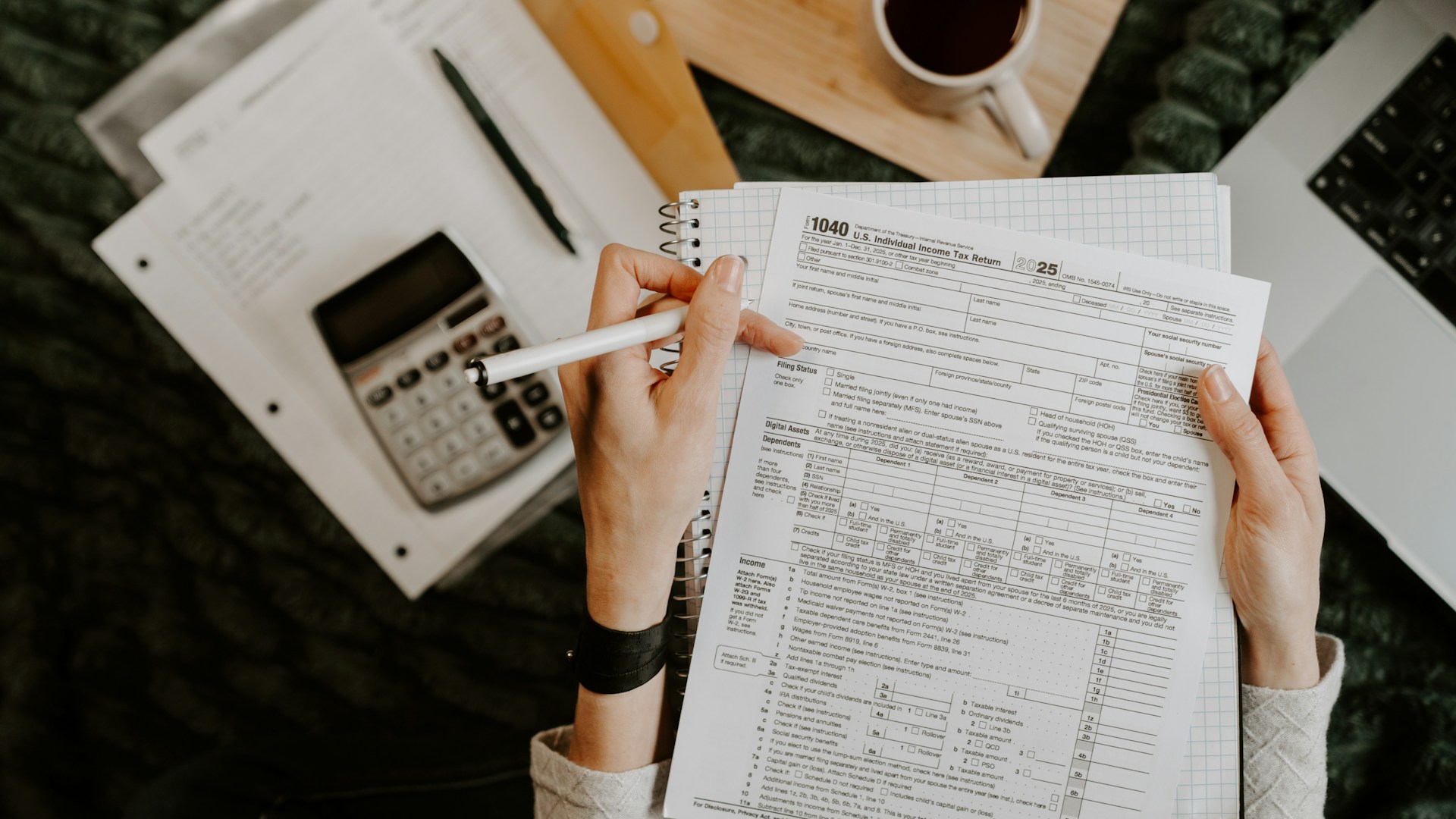
The Consumer Financial Protection Bureau, the federal agency that created the form’s plain-English layout, has a Closing Disclosure explainer (page updated October 2023) that walks through it line by line. Lenders must send you the form at least three business days before closing, according to the agency’s “Know Before You Owe” guidance, so you have time to read it.
Fees and loan terms vary by lender and by state, so use the explainer alongside your own paperwork. Here are 12 cost lines the CFPB tells buyers to understand, in the order they show up.
Total Closing Costs Are The Upfront Price Of Getting The Loan
The CFPB describes closing costs as the upfront charges to get the loan and transfer property ownership. The explainer tells buyers to ask about any significant changes from the Loan Estimate they received earlier.
Lay the two forms side by side. If the total moved, ask the lender to walk you through why.
Origination Charges Are What The Lender Charges To Make The Loan
According to the CFPB, origination charges are the upfront charges the lender makes for making the loan. You will find them near the top of the cost pages.
These are the lender’s own fees, so they are fair game for questions. Ask what each line covers.
Points Are Paid Up Front For A Lower Interest Rate
The CFPB explains that points are an upfront fee paid for a lower interest rate. If you see points on your form, you chose to pay now in exchange for a different rate.
Make sure that trade matches what you and the lender agreed to. If you did not ask for points, speak up.
Services You Did Not Shop For Should Match Your Loan Estimate
The explainer describes “Services Borrower Did Not Shop For” as required third-party services, and tells buyers to compare them against sections B and C of the Loan Estimate. These are services the lender required.
A mismatch between the two forms is worth a phone call. Do it before closing day, not at the table.
Services You Did Shop For Are Yours To Question
The CFPB says “Services Borrower Did Shop For” are services you chose yourself, and advises buyers to question any unfamiliar charges or companies. If a name on the list is a stranger to you, ask who they are.
You are allowed to ask. A good lender or closing agent will explain.
Taxes And Government Fees Cover Transfers And Recording
According to the CFPB, taxes and other government fees are costs for transferring the property and recording the mortgage with county records. These vary by state and county.
Ask the closing agent how your local charges were figured. They are set by government offices, not the lender.
Prepaids Cover Interest And Often A Year Of Homeowners Insurance
The CFPB says prepaids include interest from closing to the end of the month, and often the first year’s homeowners insurance premium. Buyers sometimes miss these because the money is paid ahead of time.
Check the dates and the insurance company named. Both should match what you set up.
The Initial Escrow Payment Starts Your Escrow Balance
The explainer describes the initial escrow payment at closing as funds that establish the starting escrow balance. Escrow is the account that holds money for property taxes and homeowners insurance, which the CFPB says get bundled into the monthly payment.
It helps to know what the account will pay and when. Ask the lender for a plain explanation.
Lender Credits Can Offset Costs But May Raise The Rate
The CFPB explains that lender credits are lender rebates that offset closing costs, usually in exchange for a higher rate. It sounds like a bargain, but it is a trade.
If you see a credit, check what rate you accepted in return. Then decide whether the swap works for you.
Mortgage Insurance Often Shows Up When The Down Payment Is Small
According to the CFPB, mortgage insurance is typically required when the down payment is under 20% of the home price. It adds to your monthly bill.
If it appears on your form, ask how long you will pay it and how it can end. The lender can explain the terms of your loan.
A Prepayment Penalty Is A Fee For Paying Off The Loan Early
The CFPB defines a prepayment penalty as a fee the lender can charge if you pay off the mortgage early. If you plan to sell in a few years or pay extra each month, this line matters.
Look for it and ask about it directly. A clear “none” is the answer you want.
Cash To Close Is The Number You Actually Bring
The CFPB says cash to close is the actual amount due at closing, typically by cashier’s check or wire. It is the total you pay at closing beyond amounts you already paid.
Compare it with the figure on your Loan Estimate and ask about any gap. Then arrange your payment well ahead of the big day.
That is the whole list. Read each line, ask your questions in writing when you can, and do not feel rushed. The three-day window exists so you can do exactly that.
More Stories You May Like
- Energy.gov Says Turning Your Thermostat Back 7 To 10 Degrees For 8 Hours A Day Can Save As Much As 10% A Year And It Costs Nothing To Try
- Buying A $300,000 House Means Another $9,000 To $12,000 In Closing Costs And Real Estate Experts Break Down Exactly Where Every Dollar Goes
- Homeowner Installed A Ceiling Attic Ladder In His Small Home And Says The Savings Over Hiring It Out Made The Job Well Worth It
Leave a Reply