An older home has charm you simply cannot build new. The wide trim, the sturdy bones, the porch that has watched decades of summers roll by. It can also hide a few surprises that cost real money after you have signed the papers.
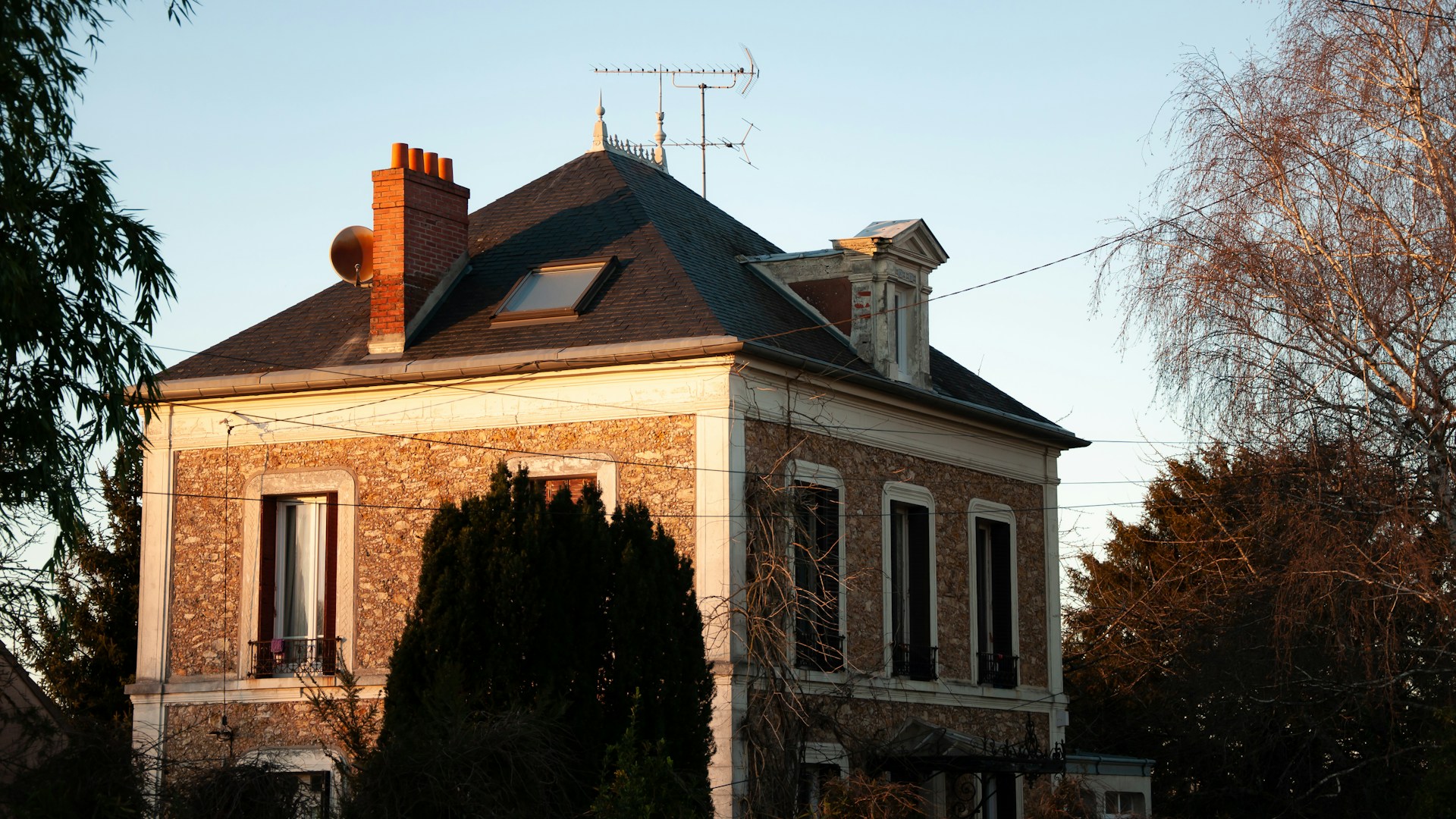
The team at This Old House put together a guide called “Deal Breakers When Buying a Home” (published January 2024) with advice from its pros, including Tom Silva, Richard Trethewey, Ross Trethewey, Mauro Henrique, Heath Eastman and Mark McCullough. Their message is not to run from old houses. It is to know what to look for.
Here are nine trouble spots the team flags, plus what they suggest you do about each one. Bring this list along on your next showing, and keep a pencil handy for notes.
1. Crooked Lines Can Point To A Foundation Problem
Tom Silva says to look for a straight roofline and walls that do not lean, twist or warp. This Old House says cockeyed windows or a sagging roof can signal an ongoing problem, such as a failing foundation.
Silva is no pessimist about old houses. He says of a well-kept older home, “If I were in the market, this is a house I would definitely consider,” and he adds, “If you don’t believe a house this old needs work, you’re living in a dream world.”
2. Water Sloping Toward The House And Wide Cracks Mean Foundation Trouble
According to This Old House, grade that slopes toward the house sends water into the foundation. Walk the yard and look at which way the ground falls, especially along the foundation walls.
The guide also helps you read foundation cracks. Hairline and vertical cracks are usually not a concern, and engineer Jim Graham is quoted saying vertical cracks under 1/8 inch “generally mean the concrete shrank a bit too much as it cured.”
Cracks that are 1/8 inch or wider deserve a closer look, says the guide. Horizontal cracks, often with diagonal cracks in poured foundations or stair-step cracks in block foundations, suggest the wall is bulging and needs professional repair. They can also point to costly grade or soil-pressure problems, so ask your inspector to take a hard look before you go any further.
3. A Bathroom, Kitchen Or Wiring Overhaul Can Be A Reason To Walk
This Old House says that in a competitive market, a house that needs a bathroom, kitchen or wiring renovation, with no room in the price, may be a reason to walk away. The rooms that cost the most to redo deserve the closest look.
Price the work before you offer. A home you cannot afford to fix is no bargain.
4. Homes Built Before 1978 Probably Have Lead Paint
Mauro Henrique says homes built before 1978 almost certainly contain lead paint. He explains that painting them costs more because crews must take precautions to protect the occupants, neighbors and workers.
That means an older house that needs paint work may carry a bigger bill than it first appears. Ask about it during your walk-through.
5. Old Plumbing Can Turn Into A Sudden Emergency
Richard Trethewey says threaded brass and galvanized fittings can become brittle from electrolysis, leading to leaks or emergencies. He calls polybutylene piping a red flag because its pipes and joints often fail, and notes that copper with red markings is thinner than blue-marked copper and can corrode faster.
He says none of this is necessarily a deal breaker. For homes built between the mid-1970s and mid-1990s, he suggests asking specifically about polybutylene.
6. Check The Age Of The Furnace And Water Heater
Ross Trethewey says old mechanical equipment is not a deal breaker, but he advises checking the manufacture dates on equipment rating plates. Compare each unit’s age to its expected lifespan to anticipate replacement costs.
It is a simple homework assignment. Take photos of those labels during the showing.
7. Solar Panels May Come With A Contract You Inherit
According to Ross Trethewey, solar panels themselves are not a problem. The concern is if the previous owner leased them or used a power purchase agreement, which may mean you inherit a contract with a third party.
His advice is to read the fine print first. Ask for the paperwork before you make an offer.
8. Knob-And-Tube Wiring And Screw-In Fuses Need A Plan
Heath Eastman says outdated wiring is not automatically unsafe, but knob-and-tube wiring and screw-in fuses should be replaced and budgeted for. This Old House adds that some buyers cannot get insurance on homes with knob-and-tube.
Call your insurance agent early in the process. The answer could shape your whole decision.
9. A Leaning Chimney Costs More To Fix Than You Think
Mark McCullough says leaning chimneys are common and costly to fix. A leaning chimney must be dismantled down to below the point where the lean begins, which requires staging, labor and materials.
Look up at the roofline when you arrive. A chimney that tilts is worth a question.
The team’s overall advice is to hire a licensed, well-reviewed home inspector. If you buy a home with these issues, set aside a repair budget, and keep in mind that repairs do not always have to happen right away.
More Stories You May Like
- Walkthrough Of A 50 Page Home Inspection Report Sorts Out Which Problems Are Truly Major From Double Tapped Breakers To Asbestos Tile Under The Flooring
- PowRyte Pressure Washers Sold Online For Up To $320 Have No Shock Protection At The Plug And The Seller Has Gone Silent On A Recall
- Electricity Is Forecast To Average 18.2 Cents Per Kilowatt Hour In 2026 Which Is Nearly 5% Higher And East Coast Regions Could See Up To 7% A Year
Leave a Reply