A typical home inspection report runs about 50 pages, and plenty of buyers panic the moment they see it. New Jersey area real estate agent Jackie Baker says that is the wrong reaction. Not every item on the list is a major problem, and she walks through the ones that deserve real attention, from double tapped breakers to asbestos tile hiding under new flooring.
Her goal is to help buyers focus on what matters and, where it applies, gain some leverage when negotiating with the seller. Here is what she says to watch for.
Foundation Cracks and Structure
When an inspector finds cracks in the basement, people panic. Baker says it could be a significant problem, but a lot of times it is not. Horizontal cracks, stair-step cracks and bowing walls are the ones that call for a structural engineer, who can be expensive but is worth it to rule out something major.
In the report she shows, some cracks were wider than an eighth of an inch, which was very concerning, so an engineer came in. The verdict was that it was not an ongoing problem. The home was built in the 1980s with a higher foundation, about 9 feet of basement ceiling height, and the soil shifted it in the first few years. The cracks dated from then. They only needed sealing again, plus maybe a coating on the inside walls, and moisture was not coming in.
Roof Condition
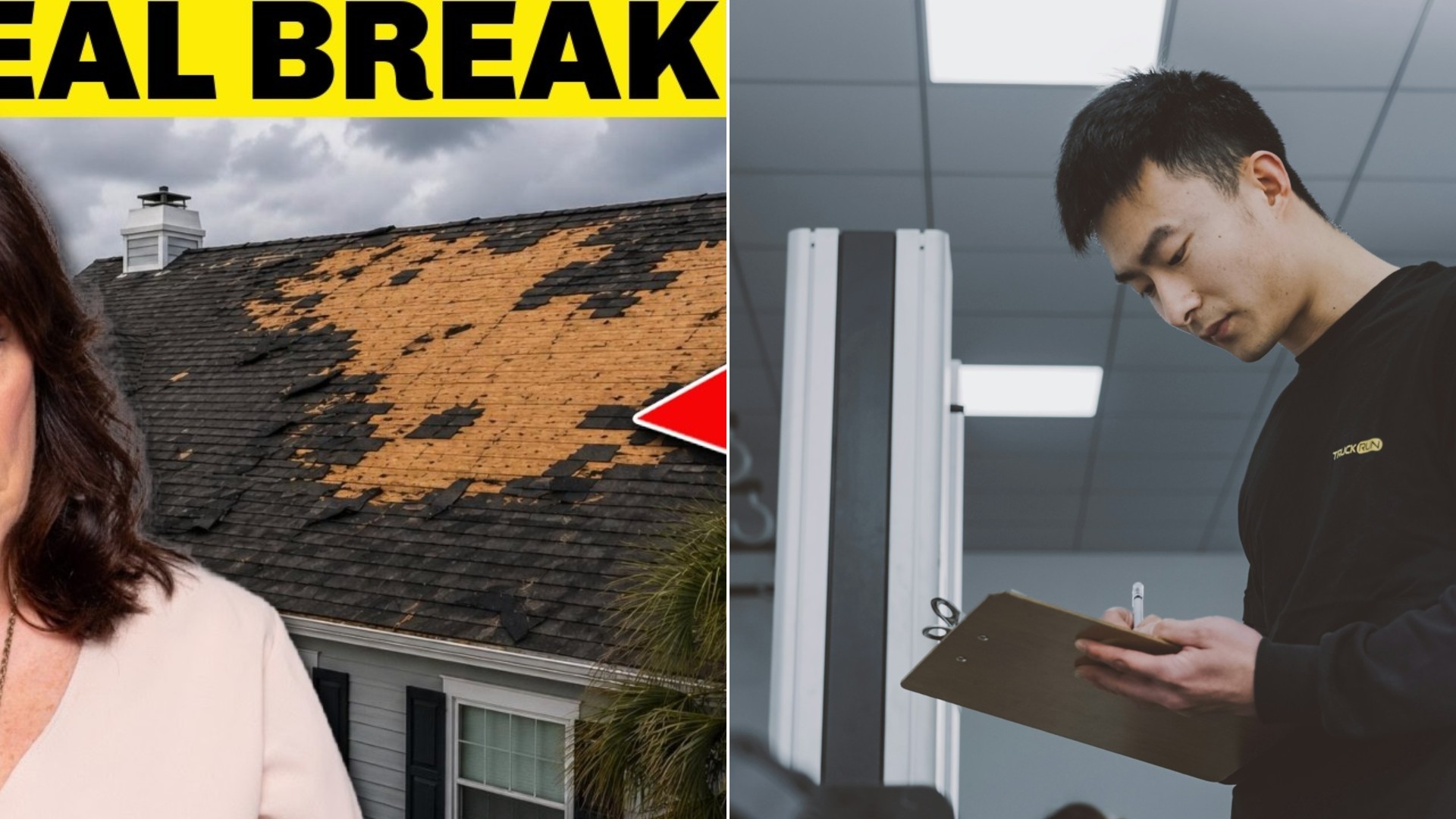
Many inspectors now fly drones over the roof, while some only look from the ground, and they do not always climb up because of liability. They look for missing, deteriorating or curling shingles and signs of active leaks, and they check the attic for moisture or water stains on the ceiling and rafters.
An inspector cannot always verify a roof’s age with certainty, but you can usually tell if it is older. Baker says old does not automatically mean defective, though it cannot hurt to have a roofer take a look. A full replacement can run $15,000 to $20,000 or more depending on the house. She speaks from experience: hers cost $22,000, and she did it this year.
Water in the Basement
Inspectors catch this quickly through water stains, efflorescence and musty smells. In a finished basement they use handheld moisture readers on the walls to find dampness behind the sheetrock.
The usual cause, Baker says, is poor grading, where the soil slopes toward the house instead of away. Gutters and leaders can also be to blame, and water in a corner is a telltale sign of grading trouble. If the grading and gutters are fine, something else is going on, and that could be a deal breaker. In that case you probably need a contractor to find where the water is coming in.
Electrical Problems
In the same report, the inspector found double tap breakers and improper wiring in the panel. “That is not good,” Baker says. Inspectors also look at the age of the panel, outdated or problematic panels and aluminum wiring.
If there is a problem, she says to get an electrician in right away, because replacing wiring costs a lot. It could be a deal breaker, or it could save you thousands, since you may get a credit from the homeowner or they may have to fix it.
Sewer Line Trouble
Inspectors now offer sewer line inspections, and Baker is glad of it. Three of her transactions this year alone had sewer line problems, and she highly recommends the sewer scope. One client this spring had a section of line that needed replacing, and the homeowner ended up paying $11,500 for the fix.
A few weeks ago, she says, a home inspector spotted a belly in a line, where water sits when it should drain. The line was hydrojetted to clear the water, then a certified sewer inspector ran a camera through and watched water pool in that section as the house water was turned on. That repair, removing and replacing the section, runs about $10,000.
Heating, Air Conditioning, Mold and Termites
Inspectors flag aging furnaces, boilers and AC units, poor installation or maintenance, cracked heat exchangers and venting concerns. An old system is not necessarily defective, Baker says. What you want is proof it has been maintained, and if not, an HVAC specialist. If it works during the inspection you often cannot ask for money off, but if it stops working before closing the seller has to repair it or give you a credit. She also advises making sure your contract’s inspection language covers structure, environmental and mechanical, since heating and cooling fall under mechanical.
Mold is the one she says not to let go. Find out the water source, then hire a professional to evaluate it, because “you can’t just throw bleach on it.” A real mold test and remediation come next, and do not let the seller say they will treat it themselves.
Termites are common in the Northeast, and inspectors often find old activity or damage in floor joists. Old damage is not necessarily a problem, but Baker says to get the home treated even if the activity is old, as a precaution. Mortgage companies typically require the seller to do some kind of termite treatment before closing.
Radon, Asbestos and Lead Paint
Radon is a big deal in the Northeast, and Baker says people freak out, but it is a relatively easy fix the seller can handle. She says you must do the test if the inspector asks. If the level is high, ask for a mitigation system, which runs about $2,000 to $2,500. When she and her husband bought their New Jersey home, the radon came back relatively high and the sellers installed mitigation. If a seller refuses to install one or give a credit, her advice is simple: do not buy the house.
Asbestos tile was used in homes from the 1960s through the 1970s and into the 1980s. The danger is when it gets into the air, where it is very bad to breathe, and flooring laid over the top can hide it. Her advice is to ask what is underneath the floor. Clients of hers recently closed on a home and found asbestos tile under the flooring when they went to rip it up. If you do not touch or break it, it is fine, and you can lay new flooring on top, though that limits your options. Find out what remediation would cost, because it is not cheap.
Keep It in Perspective
You are not buying a brand new house, Baker reminds buyers, and a resale will not be perfect. She has seen reports that ran 100 pages and sent buyers into a panic. Much of that length is education, with small, cheap items like trimming vegetation close to the house or re-caulking a tub that are not worth raising with the seller.
Almost every house has problems, she says, and that includes new construction. The question is not whether the report lists 10 problems or 50, but whether they affect the home’s safety, structural integrity and your wallet. And if you are selling, she suggests ordering a pre-listing inspection so you can fix issues before the home goes on the market.
More Stories You May Like
- Charleston Family Bought a Home That Passed Its Termite Inspection, Then an Expert Found an Active Infestation and Major Damage the Report Never Mentioned
- Pressure Washer Says Another Contractor Told A First Time Home Buyer Her Brick Wall Needed To Be Torn Down, And All It Needed Was A Little Chemistry
- They Plan To Restore A 130 Year Old Abandoned Farmhouse With No Power, No Water And No Plumbing, And Will Close In The Porch For A Bathroom
Leave a Reply