Nobody sets out to invite a snake into the garden. Yet plenty of everyday yard habits quietly put out a welcome mat: a tidy-looking woodpile, a generous bird feeder, a lush lawn watered every evening.
University extension experts have spent years explaining why. Their advice comes down to a simple chain. Snakes follow food, water and cover, and many ordinary habits provide all three.
Here are 10 common mistakes, each tied to a named extension source, along with the fix.
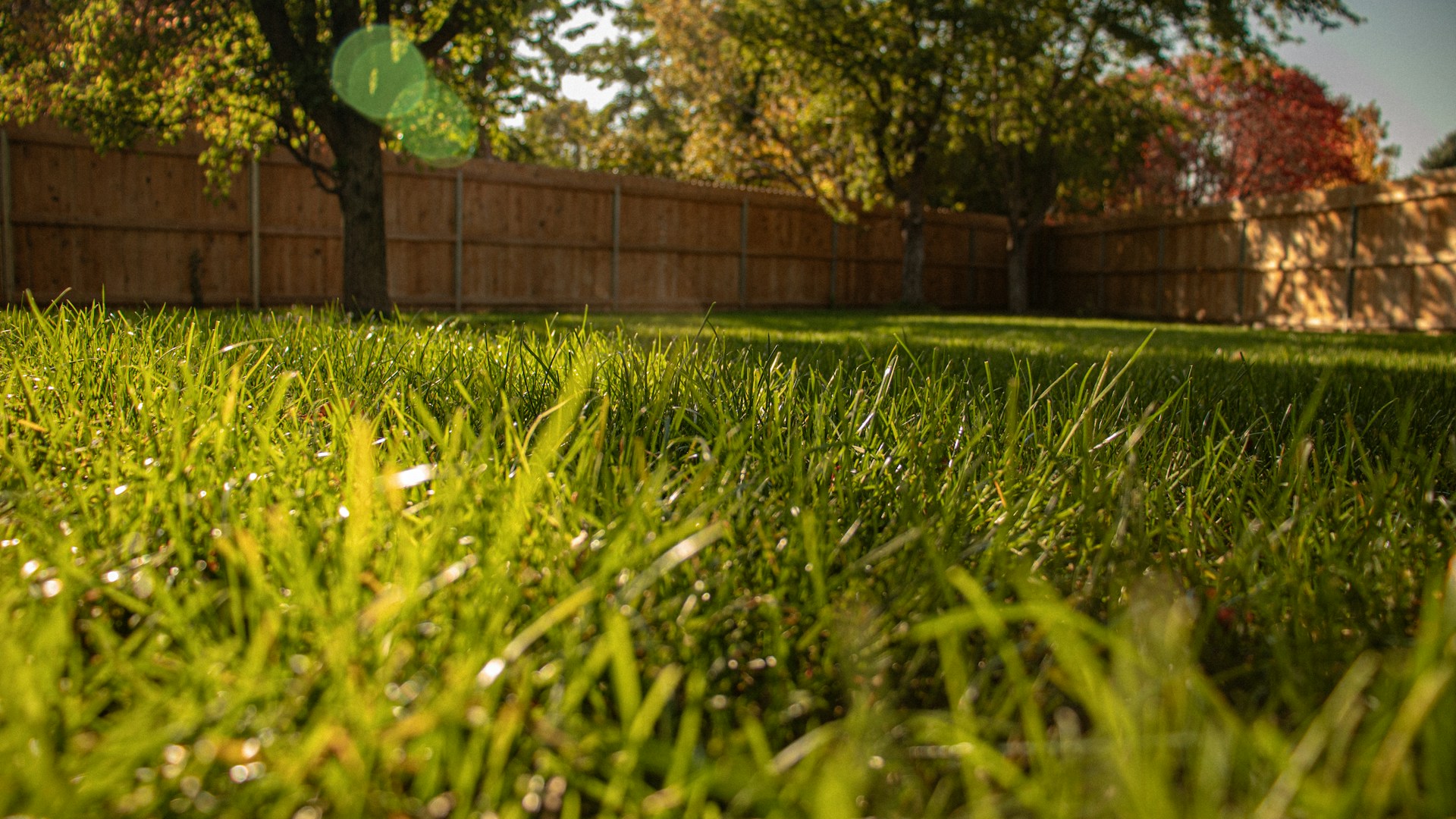
Letting The Grass Grow Tall Gives Snakes Cover, Says University Of Georgia Extension In 2003
Wade Hutcheson of the University of Georgia wrote in 2003 that homeowners should remove tall grass, debris piles, weedy areas and brush piles and cut the grass. His line: “Cleaning up the clutter is the way to eliminate snakes.”
Utah State’s 2018 advice is just as direct. Mow often and keep grass fairly short, because short grass exposes snakes to predators and makes them easier to spot.
Overwatering The Lawn Draws Worms, Slugs And Frogs, And Then Snakes, Utah State University Extension Explains In 2018
In its 2018 guide, Utah State University Extension advises avoiding overwatering your lawn. Excess water draws worms, slugs and frogs, which in turn draw snakes.
University of Georgia’s Willie Chance made a related point in 2006: snakes eat insects, frogs and lizards, so controlling insects and moisture can reduce frog populations and may cause snakes to leave.
Shrubs And Branches Hugging The Ground Create The Shelter Snakes Want, According To Utah State And Georgia Experts
Utah State’s Terry Messmer recommends keeping trees and shrubs away from the home and garage and leaving a 24-to-36-inch space under them. That helps keep snakes away and makes them easier to see.
Georgia’s 2003 advice adds that shrubs should be planted at least 4 feet from the house to limit clutter and debris buildup.
Bird Feeders Spill Seed That Attracts Rodents, And Rodents Attract Snakes, Utah State Extension Warns In 2018
Utah State’s guide says birds are messy eaters and often leave seed scattered below the feeder. Spilled seed attracts rodents, which attract snakes.
Its fix is to move feeders away from the house, store seed in a metal can with a tight lid, or skip feeding birds for a while.
Feeding Pets Outdoors Brings In Insects And Rodents, The 2018 Utah State Guide Says
The extension guide says feeding pets outside can attract insects and rodents, which, again, attract snakes. If you must feed outdoors, clean up leftover food promptly and store pet food in a sealed metal container.
The University of Georgia’s 2006 piece makes the same point: do not leave pet or bird food out, and keep food and trash sealed.
Stacking Firewood And Lumber Against The House Gives Snakes A Place To Hide, Per Georgia’s 2003 Extension Advice
Hutcheson recommended firewood and lumber be stacked 12 inches above the ground or off the floor and away from walls.
Utah State agrees in its 2018 guide: store firewood, excess lumber and other debris away from your home.
Mulch And Large Rocks Shelter Snakes And Their Prey, Utah State University Extension Says
The Utah State guide says to avoid using mulch and large rocks in your landscape, because they attract snakes and their prey and can support breeding and overwintering.
It suggests gravel or river rock instead and recommends skipping water gardens and koi ponds.
Cracks In Foundations And Gaps Around The House Are Entry Points, Say Utah State And University Of Georgia Extension
Utah State advises sealing cracks and crevices on sidewalks and foundations and consider getting an energy audit, which can reveal gaps where heat and cooling escape.
The University of Georgia’s 2006 guidance says fall is a good time to seal holes around and under the house to keep out climbing snakes.
Counting On Snake Repellents Or Mothballs Is A Mistake, Both Universities Say
Utah State’s 2018 guide says snake repellents and sulfur are ineffective. It adds that mothballs violate product labels and endanger people and pets.
Georgia’s 2003 article says no chemicals, poisons or repellents are registered for snake control, and the 2006 piece says repellents have been shown to be unreliable.
Ignoring A Rodent Problem Keeps The Dinner Table Set For Snakes, University Of Georgia Extension Said In 2003
Hutcheson wrote that snakes feed on rodents, so a snake sighting may point to a rodent problem. His advice: “Take away the food source and the snakes will move on.”
That makes pest control part of snake control. Keep trash sealed and food storage clean.
If a snake shows up anyway, resist the urge to grab a shovel. Utah State’s guide says firearms and shovels are dangerous and suggests spraying a snake with a garden hose to move it along. Georgia’s Chance wrote in 2006 that many people are bitten while trying to catch or kill a snake, and urged readers simply to leave snakes alone.
Georgia’s extension specialists recommend learning to identify the few venomous species in your state. Hutcheson noted that most Georgia snakes are nonpoisonous and can be given room, as you would a turtle or frog. Chance advised calling a professional for a venomous snake indoors.
Utah State also advises against fake eggs in chicken coops, which can harm the snakes that swallow them. Improve the coop to keep snakes out instead.
Remove the food, the water and the hiding places, and the yard stops being the best spot in the neighborhood for a snake.
More Stories You May Like
- Dumping Leaves On Storm Drains Over Pruning And Skipping The Gutters Are Fall Yard Mistakes That Can Mean Fines In Some Towns And Repairs Later
- Mom Says the City Told Her a Neighbor Has Every Right to Decorate His Yard for Halloween After Her Daughter Became Too Scared to Play Outside and He Added Even More
- Plugging A Space Heater Into An Extension Cord Is A Risky Winter Habit So Plug It Straight Into The Wall And Never Leave It Running Unattended
Leave a Reply