When the first real cold snap hits, the space heater comes out of the closet. It is a cozy, budget-friendly way to warm a chilly bedroom or a drafty office corner. But there is one winter habit that turns that little heater into a real hazard, and plenty of well-meaning folks do it every year: plugging it into an extension cord because the outlet is too far away.
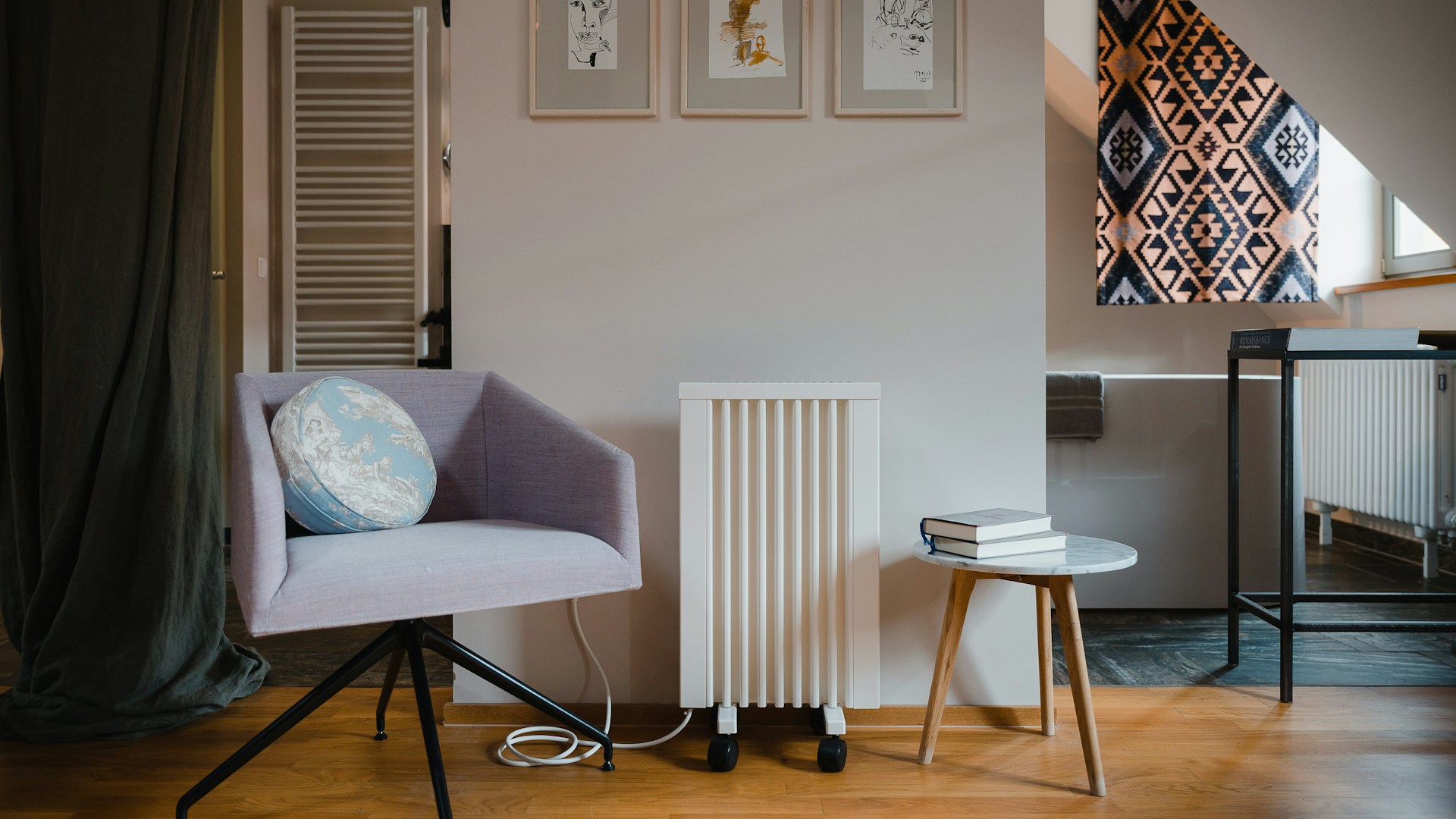
It seems harmless. The cord is right there. But space heaters pull a lot of power, and the cord you grabbed from the junk drawer may not be built for the job. Here is what to know, and what to do instead.
Why Extension Cords Are A Problem
A space heater is not like a lamp or a phone charger. It draws a heavy electrical load for as long as it runs. A lightweight extension cord, especially a thin one meant for holiday lights or a small lamp, can heat up under that load. An overheated cord, a loose plug or a worn connection can become a fire risk, and you may not see the problem until it is too late.
Power strips are no better. Most are not meant for the demands of a heater. The safest approach is the one that heater manufacturers commonly recommend: plug the heater directly into a wall outlet.
Always follow the instructions and warnings printed on your heater and in its manual. The manufacturer knows what that particular model needs, and the label is the final word, not a tip you read online. If the instructions say to avoid extension cords, believe them.
Plug Straight Into The Wall
This one is simple. Choose an outlet close enough that the heater’s own cord reaches without stretching or tugging. If the outlet is too far, move the heater, not the cord setup. Arrange the room so the heater has its own outlet and nothing else important is sharing it.
Take a good look at the outlet while you are there. If the plug feels loose, the outlet is warm to the touch, the cover plate looks scorched or discolored, or you notice a burning smell, stop using it. Unplug the heater and have an electrician take a look. Those are signs of trouble that no heater is worth ignoring.
Check The Cord Every Time
Before you switch the heater on each season, and now and then during it, run your eyes and hands over the cord and plug.
- Look for fraying, cracks, bare spots or kinks in the cord
- Check that the plug is not bent, discolored or melted
- Feel for unusual warmth in the plug or cord while the heater runs
- Do not run the cord under rugs or furniture, where damage and heat can go unnoticed
If anything looks damaged, stop using the heater. A new heater costs far less than the trouble a damaged one can cause.
Never Leave It Running Unattended
This rule is just as important as the cord. Turn the heater off when you leave the room, and turn it off before you go to sleep. A heater that runs on its own while nobody is watching is the setup behind many winter home fires. It only takes one tipped heater or one blanket drifting too close.
Some smart habits to build in:
- Keep curtains, bedding, clothes, papers and furniture well away from the heater
- Place it on a flat, hard surface, not on a rug, a couch or a table
- Keep children and pets from getting close to it
- Do not use it to dry laundry or shoes
- Choose a model that has a safety feature that shuts it off if it tips over, and look for a recognized safety testing mark
Warm The Room, Not Just The Air
If you are leaning on a space heater because a room is drafty, a few cheap fixes can help you rely on it less. Close the door to keep warmth in, use a door draft stopper, and make sure windows are closed and latched. Heavier curtains can also cut down on chill coming through the glass. A warm blanket or a throw on the couch costs nothing and does not need an outlet.
Smoke Alarms Matter Even More In Winter
Since heating-related fires are a seasonal worry, this is a good time to check that your smoke alarms are working. Press the test button on each one, and replace any alarm that is past the age on its label. It is a small step that backs up all the other precautions.
The Short Version
- Plug the heater straight into the wall outlet
- Skip the extension cord and the power strip
- Inspect the cord and plug often
- Turn it off when you leave the room or go to bed
- Follow the manufacturer’s instructions for your exact model
Staying warm should never come with a side of risk. Move the heater closer to the wall, put the extension cord back in the drawer, and enjoy the cozy glow with a little peace of mind.
More Stories You May Like
- Gardener Strips A Tomato Plant Down To One Leaf And Lays It Sideways In A Trench So The Stem Turns Into Roots And Grows Bigger Tomatoes
- Plumber With 30 Years Of Experience Says Never Use Type M Copper When Replumbing Because It Causes Pinhole Leaks And The Fix Costs Only $10 More
- She Spends $40 To $50 A Week Feeding Two Working Adults, And Turns Spoiling Tomatoes Into Sauce, Soft Fruit Into Jam And Scraps Into Broth
Leave a Reply