There is nothing quite like a crackling fire on a cold evening. There is also nothing quite like the roar of a chimney fire, and the habits that cause one are usually ordinary ones.
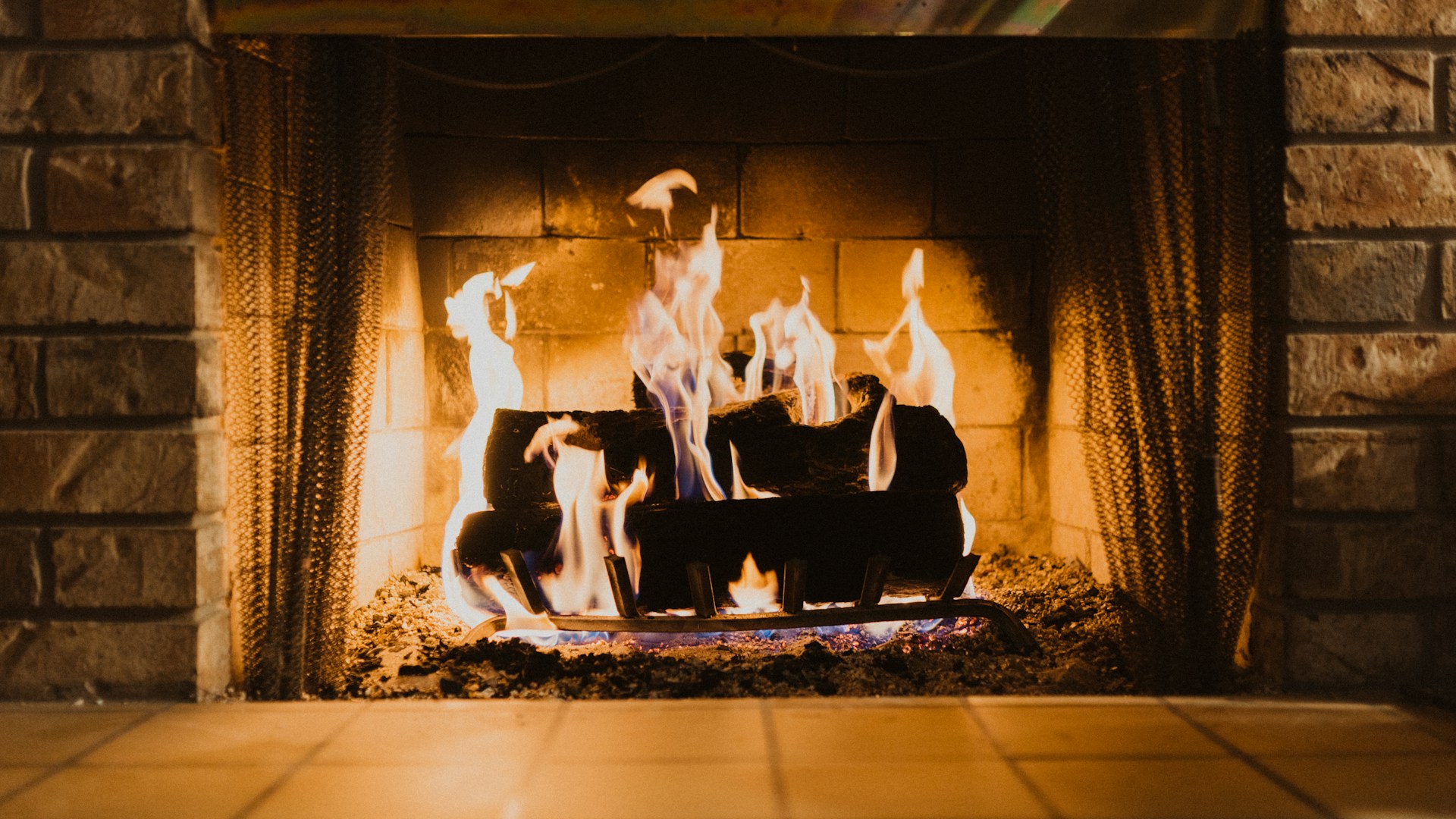
Fire departments say the same handful of mistakes come up again and again. Two public safety sources, the Lawrence, Kansas fire and medical department and the Massachusetts Department of Fire Services, spell out what to avoid, and some of the advice is more specific than you might expect.
Here are eight habits to drop before you light the first fire of the season.
Skipping The Yearly Chimney Inspection And Cleaning Lets Creosote Pile Up, Warn Massachusetts Fire Services And Lawrence Fire Medical
The Massachusetts Department of Fire Services says most chimney fires result from creosote, a tarry byproduct of burning wood, building up in the chimney. It recommends having the chimney and flue inspected and cleaned every year.
The Lawrence department’s page also calls for an annual inspection and cleaning by a certified specialist. Massachusetts points homeowners to the Massachusetts Chimney Sweep Guild or the Chimney Safety Institute of America to find reputable companies.
Burning Wet Or Soft Wood Speeds Creosote Buildup, Both Fire Safety Pages Say
Massachusetts says to burn only dry, seasoned hardwood to limit creosote. The Lawrence page agrees, adding that soft, moist wood speeds creosote buildup and that pellet stoves need dry, seasoned pellets.
If the woodpile was cut last spring and left uncovered, check it before you trust it.
Choking Off The Air Supply Can Cause Creosote Buildup And Chimney Fires, Says The Lawrence Fire Medical Page
Lawrence’s guidance says to keep wood stove air inlets open and never restrict a fireplace’s air supply, since this can cause creosote buildup and chimney fires.
It also says to leave glass doors open while burning so the fire gets enough air, and to close them once the fire is out so room air does not draw up the chimney.
Starting A Fire With Flammable Liquids Or Burning Trash Is A Dangerous Shortcut, The Fire Safety Pages Warn
Both Massachusetts and Lawrence say never to use flammable liquids to start a fire. Lawrence adds that cardboard, trash and debris do not belong in the fireplace either.
Instead, it recommends building small fires that burn completely and produce less smoke, with logs at the rear of the fireplace on an adequate supporting grate.
Leaving A Fire Unattended Or Going To Bed With It Burning Is A Mistake, Lawrence Fire Medical Warns
The Lawrence page says never to leave a fire unattended and to extinguish it before bed or before leaving the house.
Massachusetts adds a family rule: never leave children unattended near the stove. A fireplace screen should keep sparks and embers from landing on the floor.
Dumping Warm Ashes In The Trash Can Is A Classic Way To Start A House Fire, The Lawrence Page Cautions
According to Lawrence, ashes should cool completely and be stored in a tightly covered metal container at least 10 feet from the home and other buildings. They should never be emptied directly into a trash can, and should be doused and saturated with water.
Massachusetts gives matching advice: cooled ashes belong in a metal bucket with a metal lid, set outside on the ground away from the building.
Closing The Damper Too Soon Can Let Smoke And Carbon Monoxide Build Up Indoors, Says Massachusetts Fire Services
The Massachusetts page says to open the damper before lighting the fire and to keep it closed only after the fire is out and the embers are cold. A closed damper can cause smoke and carbon monoxide to build up indoors.
It recommends smoke alarms and carbon monoxide alarms, which warn of fire and of fumes from a faulty furnace, fireplace, oven flue or other venting problem.
Stacking Firewood Close To The House And Ignoring The Roof And Chimney Cap Invites Trouble, The Lawrence Page Says
Lawrence advises stacking firewood outdoors at least 30 feet from the home, keeping the roof clear of leaves and pine needles, covering the chimney with a mesh screen spark arrester and removing branches hanging above the chimney, flues or vents.
It also says vent pipes should extend at least 3 feet above the roof.
Smoke alarms belong on every level of the home, inside and outside sleeping areas. The Lawrence page says to test them monthly and change batteries at least once a year.
If you are installing a new stove, Massachusetts says to get a building permit first and have a local building inspector check it before use. It also says to keep at least three feet clear in every direction and to have a qualified mason inspect the chimney and flue before the stove goes into service, since cracks in the flue or mortar joints can let flames and hot gases reach living spaces.
Lawrence also says to use fire-resistant materials on the walls around wood stoves and to install stovepipe thermometers to monitor flue temperatures. Both are inexpensive steps compared with a repair bill after a fire.
Local codes vary, so check with your own fire department. A fifteen-minute walkthrough of these habits before the first cold snap can keep a cozy evening from turning into an emergency.
More Stories You May Like
- Skipping The Annual Chimney Sweep And Burning Wet Wood Can Build Up Creosote And Raise The Risk Of A Chimney Fire This Winter
- Heating With Gas Or Propane This Winter Should Cost Less But Electric Heat Is Expected To Cost More And Heating Oil Prices Are Forecast Up About 21%
- This Homeowner Pulls Their Own Weeds To Dodge HOA Tickets And Says The People Who Actually Work For The HOA Are Somehow Allowed To Keep Theirs
Leave a Reply