There is nothing quite like a crackling fire on a cold night. The glow, the warmth and the smell of woodsmoke make a house feel like a home. But the chimney that makes it all possible is doing a dirty, dangerous job, and a lot of homeowners forget about it until the first fire of the season. That is when neglect can turn a cozy evening into an emergency.
The main villain is a substance called creosote. Understanding it, and what feeds it, is the best way to keep your fireplace safe this winter.
What creosote is and why it matters
When wood burns, smoke rises up the flue carrying gases and tiny particles. As that smoke cools on the inside of the chimney, some of it condenses and sticks to the walls. That residue is creosote. It can look like black soot, a crusty flaky layer, or a thick, tar-like glaze, and it is flammable.
A little creosote is normal. A lot of it is a real hazard. If enough builds up and a hot fire gets going, the creosote itself can ignite, and a chimney fire can spread to the roof and the rest of the house. Some chimney fires are loud and dramatic. Others burn slowly and quietly, damaging the flue so the next fire is even riskier. That is part of why you cannot judge a chimney by looking at it from the living room.
Skipping the annual sweep
The most common mistake is going years without having the chimney inspected and cleaned. A professional sweep does more than scrape out soot. A good one checks the flue liner, the cap, the damper and the masonry for cracks, gaps, blockages and water damage. Birds and animals sometimes build nests in chimneys, and leaves and debris can block the flue, which can push smoke and dangerous gases back into the house.
Plan on a yearly inspection, ideally before you start using the fireplace for the season. Late summer and early fall are good times to book, because many sweeps get very busy once the weather turns. If you use the fireplace a lot, or burn it as a main heat source, ask your sweep how often they recommend cleaning.
Hire a certified sweep
This is not the job to hand to the cheapest bidder who knocks on your door. Look for a certified chimney sweep, and ask to see proof of certification and insurance. Ask friends and neighbors who they use, and read reviews. A reputable sweep will explain what they found, show you photos of problems, and give you a written estimate before doing any repair work. Be wary of anyone who pressures you into expensive repairs on the spot without showing you the problem. Getting a second opinion is perfectly reasonable.
Burning wet wood
The wood you burn makes a big difference in how fast creosote builds. Green or wet wood contains a lot of moisture, so the fire burns cooler and smokier while much of its energy goes to boiling off water. The result is more smoke, more condensation in the flue and more creosote on the chimney walls. It also gives you less heat for your effort.
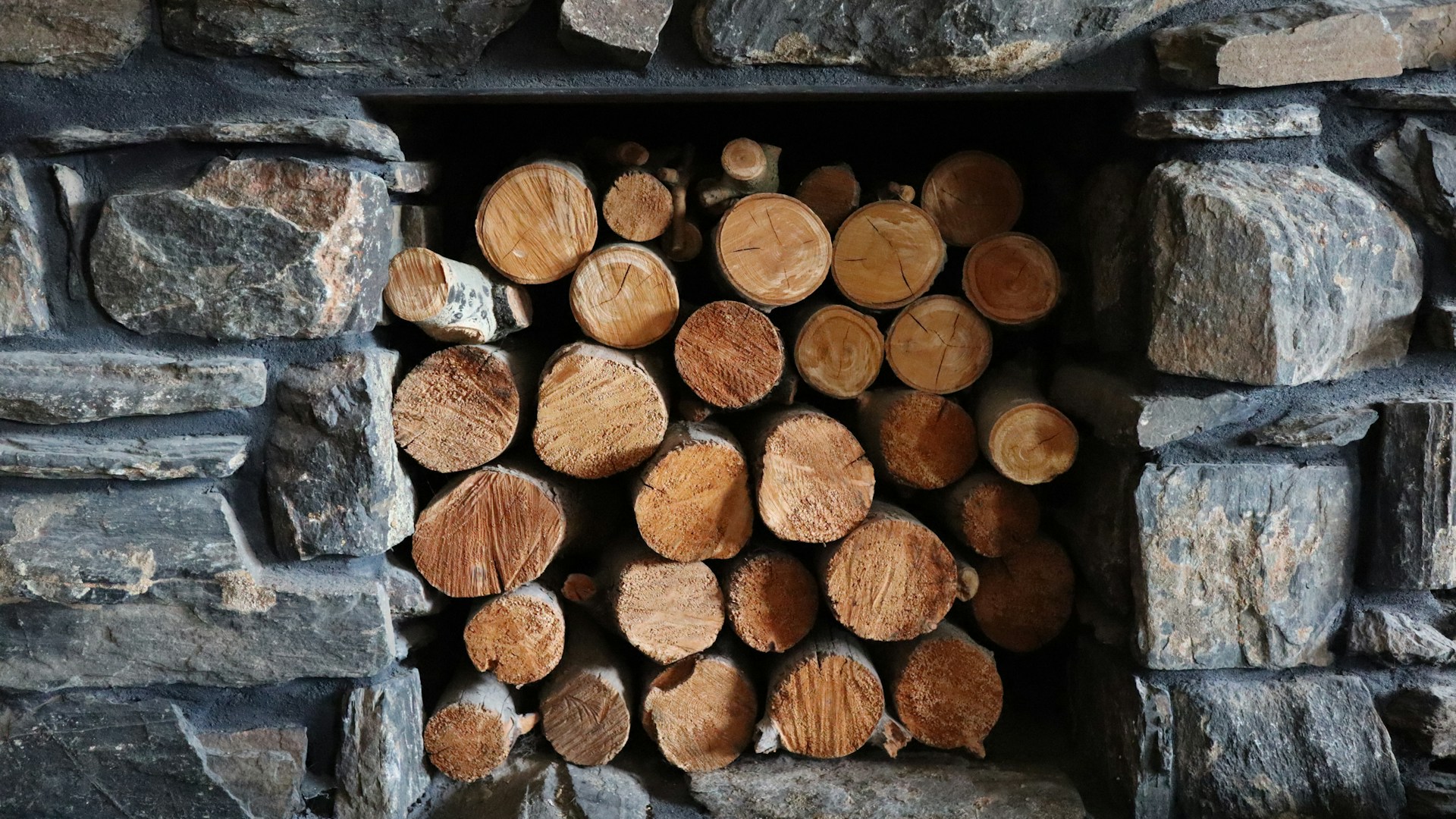
Use seasoned hardwood that has been split and dried for a good while, stored off the ground and covered on top so rain does not soak it. Dry wood tends to look gray or weathered at the ends, with cracks in the grain, and it is lighter than fresh-cut wood. Many people use an inexpensive moisture meter to check. Never burn trash, cardboard, painted or treated lumber, or Christmas trees in your fireplace, since they can burn too hot or leave dangerous residue.
Closing the damper too soon
When the flames die down, it is tempting to close the damper to keep the warm air in the room. Closing it while embers are still glowing is a mistake. Burning embers keep producing smoke and gases, including carbon monoxide, and with the damper closed those gases have nowhere to go but into your home. Leave the damper open until the fire is completely out and the ashes are cold.
Take care with the ashes, too. Scoop cold ashes into a metal container with a lid and keep it outside, away from the house, the deck and anything that can burn. Ashes can hold hot embers for a surprisingly long time.
Other simple safety steps
- Use a sturdy screen or glass doors so sparks cannot pop out onto the floor.
- Keep furniture, rugs, holiday decorations and curtains well away from the hearth.
- Make sure you have working smoke alarms and carbon monoxide alarms on every level, and test them regularly.
- Build small, hot fires instead of huge, smoldering ones.
- Check local rules on burning, since some areas limit wood fires on certain days.
A chimney inspection is one of those chores that feels optional right up until it is not. A yearly visit from a certified professional, dry wood and a little common sense go a long way. Get it done before the cold sets in, and you can enjoy every fire this winter with a lot more peace of mind.
More Stories You May Like
- Homeowner Cleaning Out The Basement Notices A Damp Spot, Pulls Off A Section Of Wall, And Finds A Hidden Door Framed In Wood Behind The Block
- Couple Renovating a Fixer Upper Knew Something Was Off About One Wall, and When They Finally Opened It They Found a Massive Termite Nest Instead of Insulation
- Pressure Washer Says Another Contractor Told A First Time Home Buyer Her Brick Wall Needed To Be Torn Down, And All It Needed Was A Little Chemistry
Leave a Reply