Every renovator has a moment when a project quietly changes from “easy weekend job” to “much bigger problem.” For the couple behind @lizandeddie, that moment came when they finally opened up a wall they had been suspicious about for a while. They were hoping to find insulation. What they found instead was a termite nest.
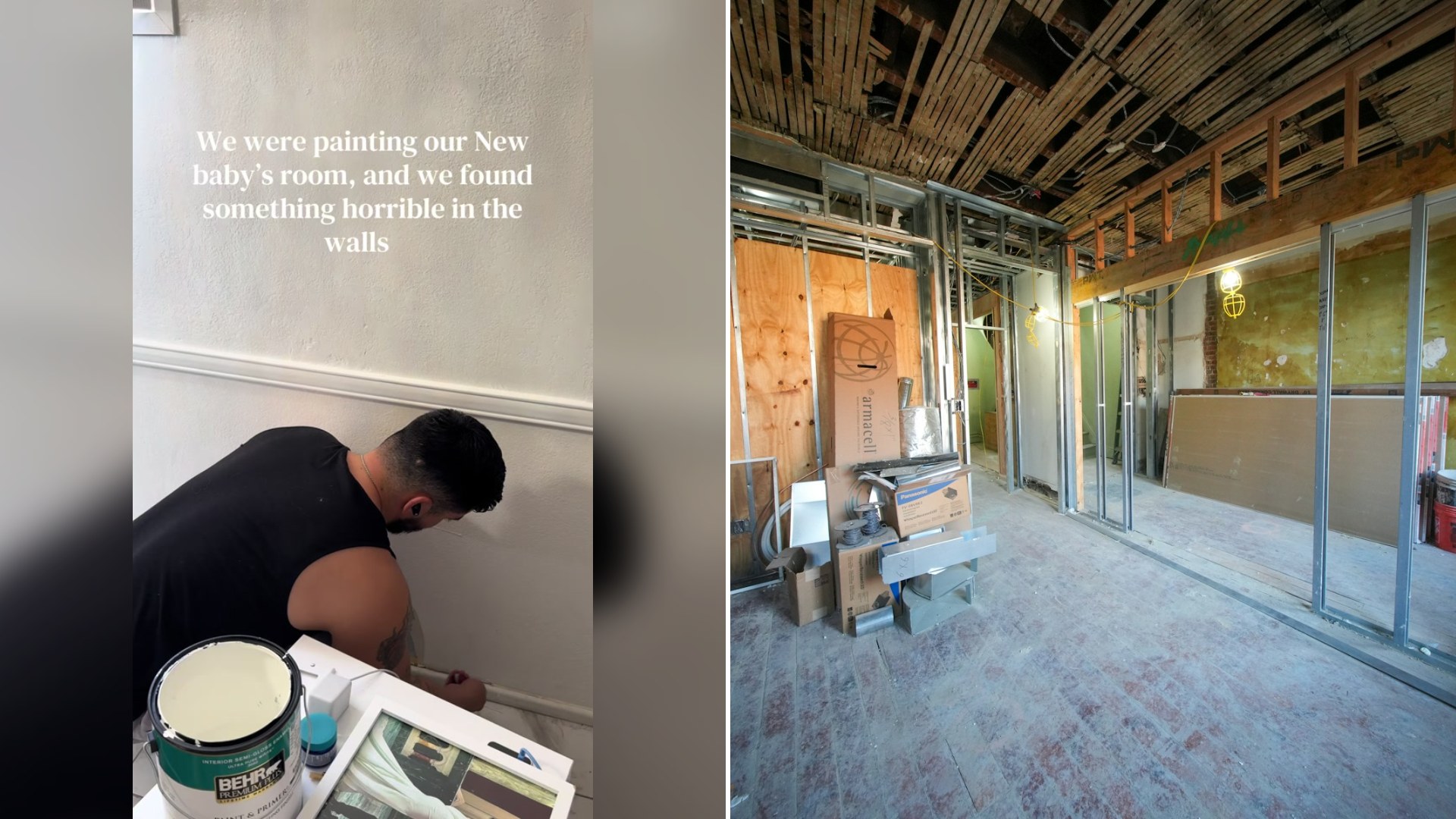
The reaction in their home says it all, and the post pulled in more than 11 million plays. If you own an older house or are thinking of buying one, this is a story worth reading closely, because the lessons apply to almost any home.
@lizandeddie
The Wall That Never Felt Right
The couple were working on a fixer upper when one wall began to bother them. One of them says plainly that they knew something was wrong with it. There had been old wallpaper on it that they decided to peel off, and the surface underneath just kept looking odd. As more came away, they could see that the material behind it was not what it should be.
Then the wall opened up, and the reaction was immediate. In the recording they exclaim that it was a nest, and that what they were looking at was not insulation at all. It was termites. The material was riddled with little holes, and the couple could see that the wood that was supposed to be a solid beam had been eaten away. They point out that the damage could have ruined their whole house if they had not opened the wall.
It gets more complicated. The house had been treated for termites before. The couple say that the house had been treated and that the insects were no longer there, and they said they were shocked that the damage was still so extensive after a treatment. They also talk about the fact that they did not see signs of live activity, and they believe the pests were dealt with. Still, they decided to keep opening the wall, because the damaged wood would have to be replaced regardless.
They also raise the question many homeowners ask in this situation. Was it termites, or could it have been humidity? Looking at it, the other person says it looks like termites. The holes and the wood damage, they point out, were consistent with exactly that.
The post is captioned with a simple request for advice, noting that the project just got a lot harder. Let’s give them, and you, some practical advice.
Why Termite Damage Hides So Well
Termites are sometimes called silent destroyers, and for good reason. Subterranean termites eat wood from the inside, leaving a thin outer layer that can look perfectly fine. A wall can seem healthy until someone taps it, presses on it or opens it up. By then, a lot of damage may have been done.
Common warning signs include:
- Mud tubes. Thin tunnels of dirt along foundations, walls or crawl space beams that termites use to travel.
- Hollow-sounding wood. Tap a baseboard or beam with a screwdriver handle. A dull, papery sound is a red flag.
- Bubbling or uneven paint and wallpaper. This can be caused by moisture or by pests working behind the surface.
- Tiny holes or sawdust-like droppings. Drywood termites push small pellets out of tiny openings.
- Discarded wings. Swarmers shed their wings near windows and doors after they take flight.
It is easy to mistake termite damage for water damage, and sometimes both are present. Moisture attracts termites, and a damp wall can encourage them to move in. That is why a pest professional and a general contractor often need to look at the same problem.
What to Do If You Find a Nest
First, stay calm. A discovery like this is stressful, but it is a common challenge in older homes and it can be handled. These are the steps most experts recommend:
- Stop and take photos. Document the damage before anything is moved. This matters for insurance questions, warranty claims and disputes with a seller.
- Call a licensed pest control company. Do not rely on a store-bought spray. A professional can identify the type of termite and recommend the right treatment, whether that is a liquid barrier, bait stations or fumigation.
- Ask about the earlier treatment. If the home was treated before, find out who did it, when, and whether a warranty or service plan is still active. Many companies will return to re-inspect if a plan is in force.
- Have the structure evaluated. If a beam or support has been eaten away, a contractor or structural professional should decide how much needs to be replaced and whether temporary supports are needed.
- Replace damaged lumber and fix the moisture source. New wood will not solve the problem if the damp conditions that attract termites are still there.
- Keep inspecting. Termites can come back, so schedule regular check-ups.
Lessons for Anyone Buying or Renovating an Older Home
Several takeaways stand out from this story. First, trust your instincts. One of them knew something was off about that wall, and they were right. If a spot in your home looks, feels or smells different from the rest, it is worth a closer look.
Second, a past termite treatment does not guarantee a termite-free house. Treatments stop active colonies, but they do not repair damage that has already been done. A clean bill of health from a pest company does not tell you what the wood behind your walls looks like.
Third, budget for surprises. Experienced renovators often set aside a cushion of ten to twenty percent of the project cost for exactly this kind of discovery. Opening walls in an old home almost always brings something unexpected, and termite damage is far from the worst thing a wall can hide.
Finally, remember that discovering a problem is better than not discovering it. As the couple said, the damage could have ruined their house. Because they opened that wall, they now have the chance to fix it properly before it spreads. The project may be harder than they planned, but it is also safer.
Leave a Reply