An old-house content creator is setting the record straight on some of the most common questions she gets about her 1894 home, confirming yes, there is lead paint somewhere in the house, and clarifying that what a lot of viewers assumed was asbestos is actually horsehair plaster applied over wood lath, a construction method from the home’s original era. In her video, @nancydabbles walks through both answers with a mix of real information and a joking nod to wondering what else might still be hiding behind her walls.
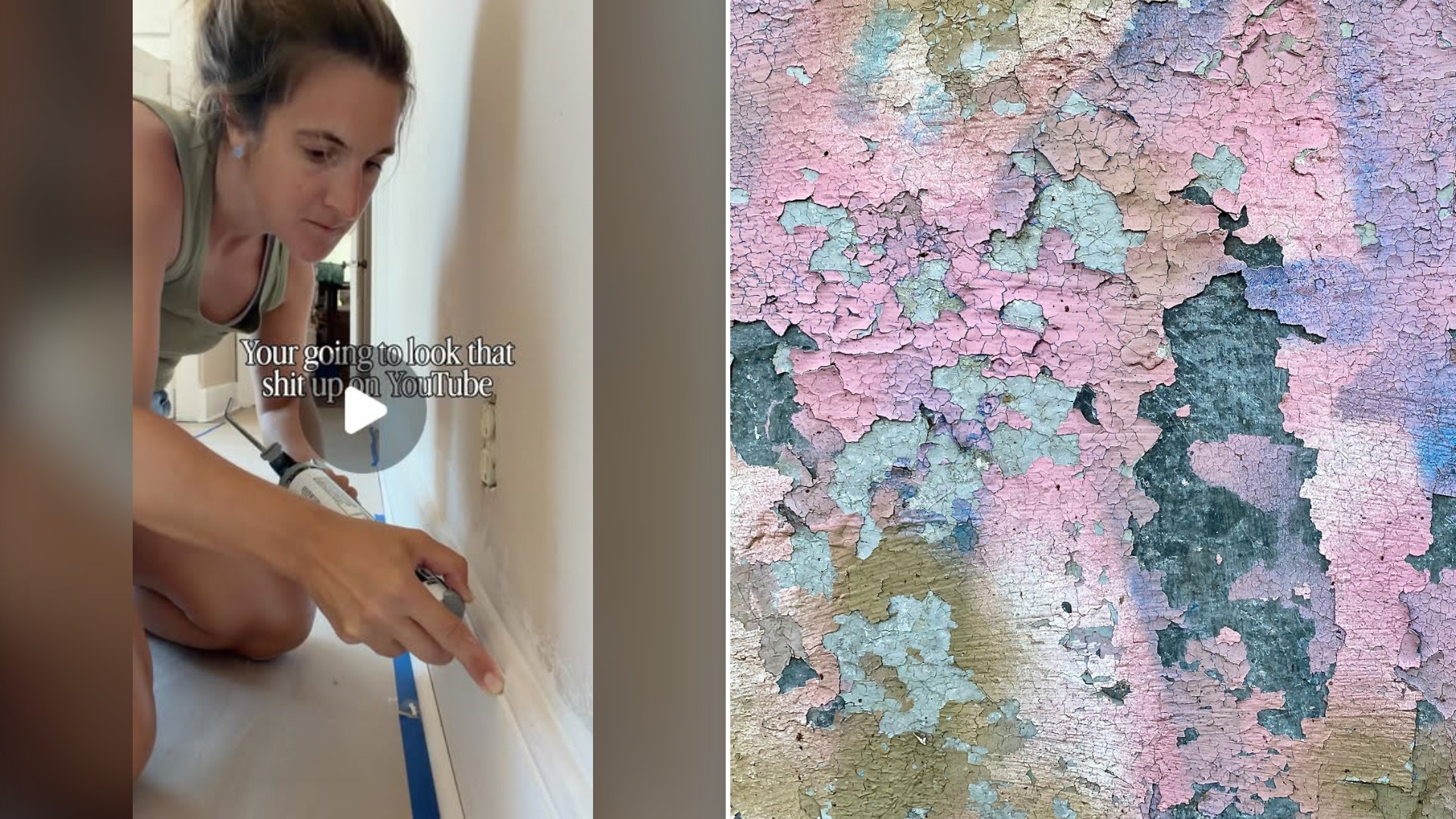
Owning and renovating a house built in 1894 means living alongside more than a century of building materials and techniques that have since been phased out, replaced, or outright banned, and this creator’s FAQ-style breakdown is exactly the kind of content that resonates with anyone who’s ever bought an older home and started Googling unfamiliar materials mid-renovation.
Lead-based paint was used in American homes right up until it was banned for residential use in 1978, which means essentially any house built before that cutoff, let alone one built in 1894, has a strong likelihood of lead paint somewhere in its layers, even if it’s been painted over many times since. The Environmental Protection Agency recommends that homeowners in pre-1978 homes assume lead paint is present until testing proves otherwise, particularly before any renovation work that would disturb painted surfaces through sanding, scraping, or demolition, since that’s when lead paint becomes most hazardous as airborne dust.
Horsehair plaster, the material this creator is clarifying her walls actually contain, was the standard interior wall finish in American homes for most of the 19th century and well into the early 20th, before drywall became the industry norm. The technique involved mixing animal hair, most commonly horsehair, into a lime or gypsum plaster base and applying it over thin strips of wood called lath, with the hair acting as a binding agent that helped prevent the plaster from cracking and crumbling over time.
The visual confusion between horsehair plaster and asbestos is extremely common in old-house circles, and it’s an understandable mix-up. Both materials can appear fibrous or textured when a wall is cut into or damaged, and asbestos genuinely was used in a wide range of building materials, including some plasters, insulation, and floor tiles, from the early 1900s through the 1970s. The real difference typically comes down to era and specific product, which is why professional testing, rather than a visual guess, is the only reliable way to confirm which material is actually present in a given wall.
For homeowners living in or renovating a house from this era, professionals generally recommend a two-step approach: get lead and asbestos testing done by a certified inspector before any work that disturbs walls, flooring, or trim, and budget separately for abatement or safe removal if either material comes back positive, since remediation costs can vary significantly depending on the scope of the affected area. Testing kits for both lead and asbestos are available for home use, but lab-certified testing remains the gold standard for anything beyond a preliminary check.
Old-house ownership comes with this exact kind of ongoing education, and creators who share what they’re learning in real time, mistakes, surprises, and all, have become one of the more trusted resources for other historic-home owners trying to figure out what’s normal for a house of a certain age versus what needs professional attention right away.
More from Willow and Hearth
- Real Estate Agent Is Showing Off A Nineteen Fifty Seven Mid Century Modern Seattle Home So Architecturally Unique It Still Has Its Original Stone Walls And Japanese Maple Gardens
- Landlord Says Tenants Moved Out After 27 Years, Then Walks the Empty House for the First Time and Finds Good Floors, Stained Bedroom Carpet and a Bare Garage
- Husband quietly built his wife’s dream home library from scratch as a surprise and the final reveal of the finished space has become one of their most cherished renovations
Leave a Reply