There is a lot a handy homeowner can tackle on a free weekend. Painting a room, hanging a shelf and fixing a dripping faucet are all fair game for the confident do it yourselfer. Electrical work is a different story. A mistake with wiring does not just look bad. It can hide behind a wall for years before it starts a fire, and it can leave you in a tough spot when you file an insurance claim.
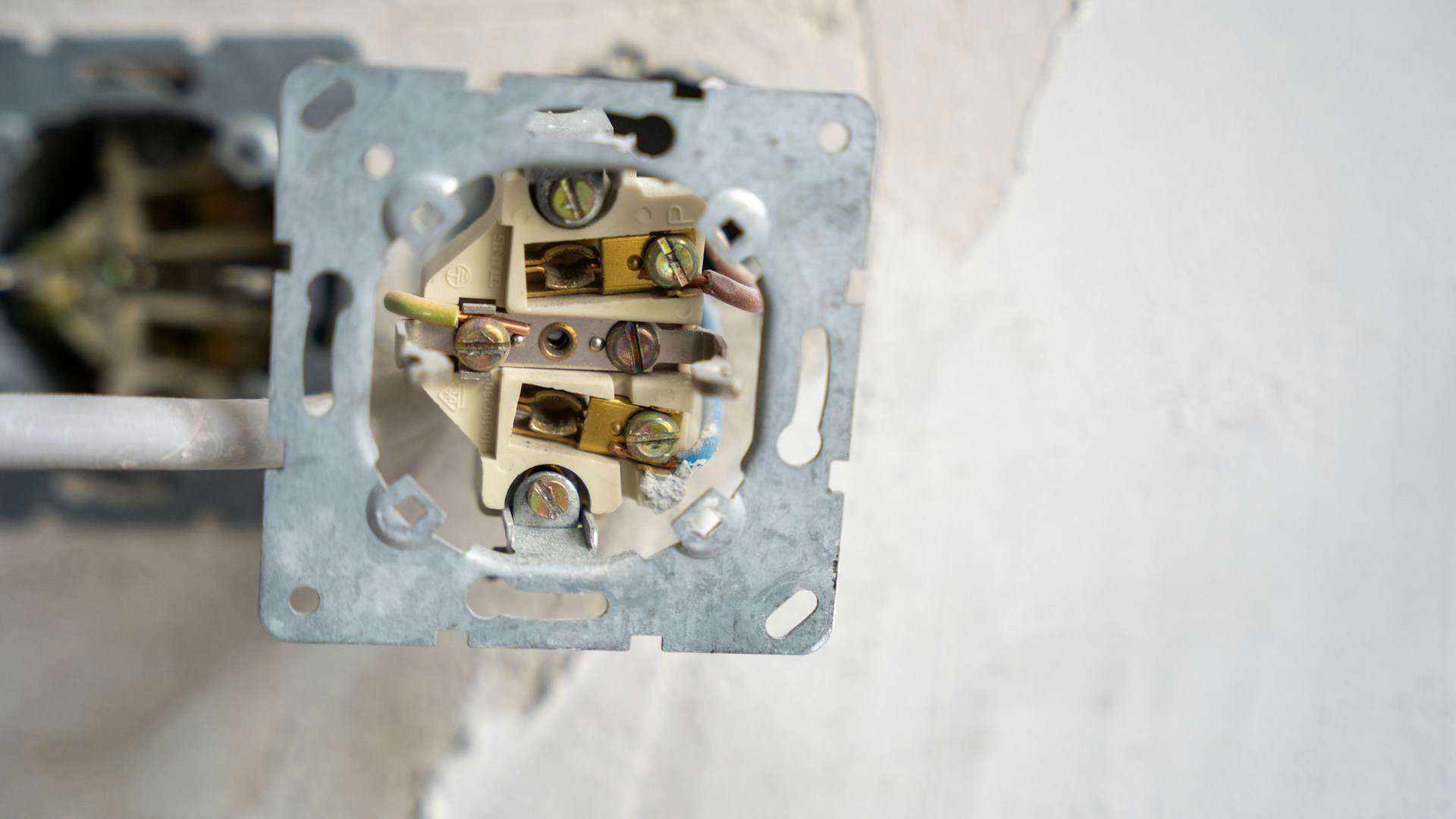
This is not a how to guide, and it is not meant to scare you out of every small project. It is a guide to knowing where the line is, so you can decide what to do yourself and what to hand to a licensed electrician.
Why electrical work is different
With most home projects, a mistake shows up right away. A crooked shelf is obvious. A bad electrical connection is not. A loose or poorly made connection can heat up slowly over time, inside a wall or a junction box where nobody can see it. By the time you notice a burning smell, flickering lights or a warm outlet, the damage may already be done.
Electricity also gives no second chances to someone who is guessing. Working on a live circuit, or one you only think is off, can cause serious injury. That alone is a good reason to leave a lot of work to the pros.
The insurance problem
Many homeowners are surprised to learn that how electrical work was done can matter to an insurance claim. If a fire starts and investigators find that unpermitted or improper work played a part, your insurer may question or limit coverage. Policies and state rules differ, so there is no single answer, and the only way to know how yours handles it is to read your policy and ask your agent.
The same goes for selling a house. Unpermitted electrical work can come to light during a buyer inspection, and it can delay a sale, force repairs or hurt the price. Fixing it after the fact often costs more than doing it correctly the first time.
What to leave to a licensed electrician
Every state and city sets its own rules about what a homeowner may do and what requires a licensed professional, so check where you live. As a general rule of thumb, these are the kinds of jobs that are best left to a licensed electrician:
- Anything involving your main electrical panel or breaker box.
- Adding new circuits or running new wiring through walls, ceilings or an attic.
- Service upgrades and anything that connects to the utility line.
- Hot tubs, pools and outdoor wiring, where water raises the stakes.
- Large appliance hookups, such as electric ranges, dryers or car chargers.
- Any wiring you find that looks old, scorched, damaged or confusing.
If you are not sure whether a job belongs on this list, that uncertainty is itself the answer. Make the call.
Permits and inspections
Many electrical jobs need a permit, and many need an inspection once the work is complete. These rules vary by state and by city, and in some places even small projects are covered. A permit may seem like red tape, but an inspection is a second set of trained eyes looking at work that will be hidden behind your drywall. That is a protection, not a punishment.
Your local building department can tell you what your area requires. A licensed electrician normally handles the permit and the inspection as part of the job, so ask about it up front and have it written into your agreement.
Warning signs to take seriously
Some signals mean it is time to stop and call a professional right away, rather than trying to figure it out yourself:
- Lights that flicker or dim for no reason.
- Breakers that trip often or will not reset.
- Outlets or switch plates that feel warm, look discolored or buzz.
- A burning smell with no obvious source.
- Sparks, or shocks when you touch an appliance or outlet.
If you smell something burning or see smoke, do not wait. Get everyone out of the house and call emergency services.
How to hire the right person
Look for a licensed and insured electrician, and verify the license with your state or local licensing office rather than relying on a business card. Get a written estimate that describes the work, ask who pulls permits and compare a few bids. Be wary of anyone who suggests skipping permits to save money, since that puts the risk squarely on you.
It also helps to ask for a clear explanation of the problem and the fix. A good electrician will walk you through what they found and why it matters, and will not mind answering your questions.
What you can safely do
None of this means you cannot take care of your own home. You can change a light bulb, reset a tripped breaker, test your smoke detectors and make sure extension cords are not overloaded or running under rugs. You can also walk through your house and note anything that looks off, so that you can describe it to an electrician. Those small habits go a long way.
The key is to be honest about your skills and to respect the risk. A licensed electrician may cost more up front than doing it yourself, but that bill is usually far smaller than a fire, an injury or an insurance claim that goes sideways. When in doubt, leave it to the professional.
More Stories You May Like
- Georgia Passes A New Law Requiring HOAs To Register With The State Every Year And Limiting Foreclosures, And Homeowners Are Being Told To Know Their New Rights
- Homeowners Find A Hidden Box In Their Attic Wall With A Key Rattling Inside A Mirror And Open It To A Burnt Ouija Piece And A Lock Of Hair
- Appalachian Grandmas Fed Whole Families From Flour, Grease And A Cup Of Water During The Depression And One Meal Even Kept A Family From A Deadly Disease
Leave a Reply