Two gardens can have the same plants, the same lawn and the same soil, and still look like they belong to different worlds. One looks like a weekend project. The other looks like a landscape architect sent over a five-figure invoice.
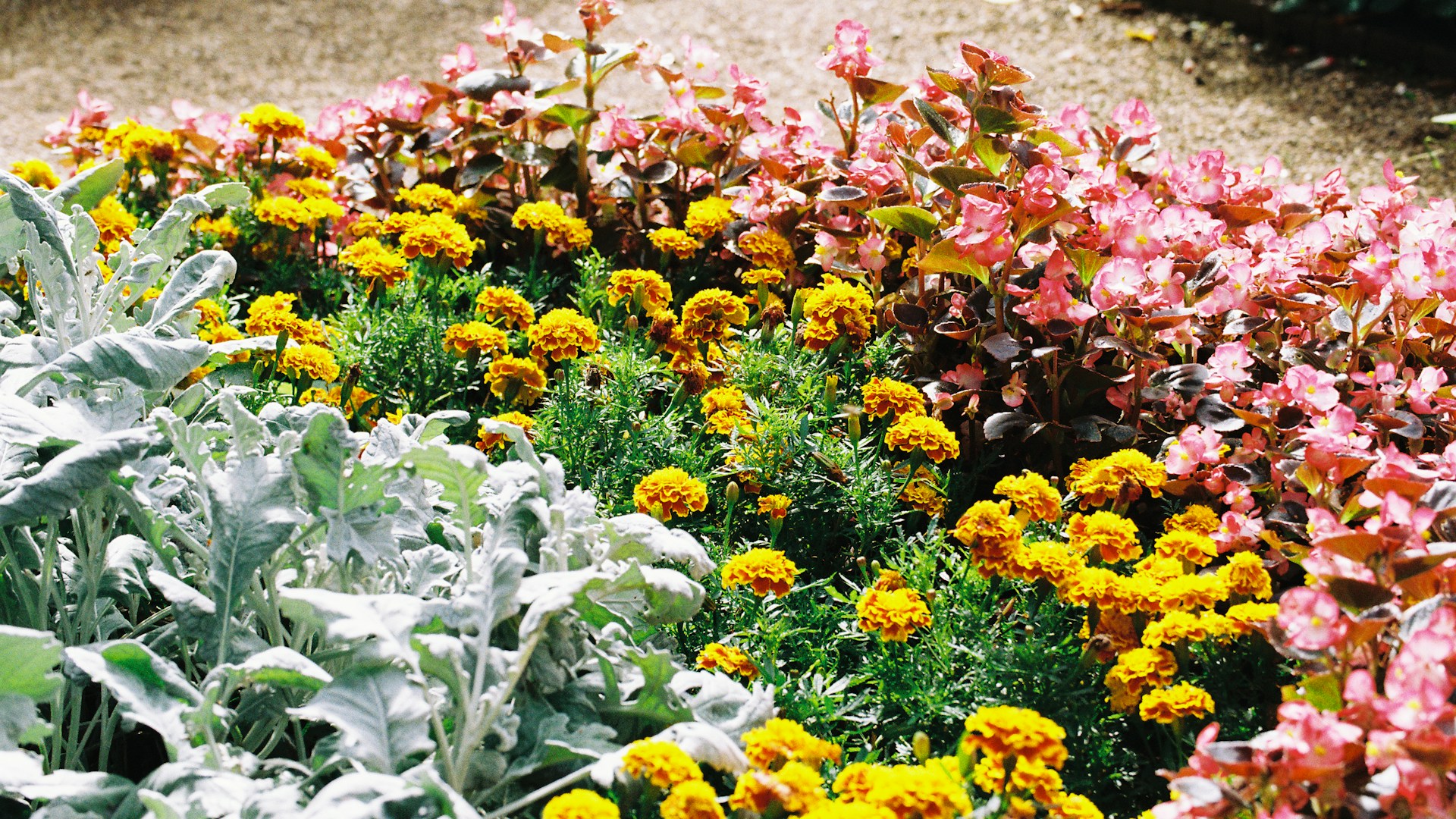
According to the gardener behind @TheGardenEdit_1, the flowers are not what separates them. The difference is a strip about 4 inches wide, the edge where lawn meets bed.
After decades in gardens, the creator says most people solve the edge problem the same way. They buy plastic edging that cracks, heaves out of the ground, and ends up under the mower.
No Plastic, No Contractor, And No Backbreaking Trench
The creator’s pitch is simple. You do not need plastic, a hired crew or a long trench to get a crisp line. Some materials give a relaxed cottage look, and others give the sharp lines of a professionally designed property.
Several of the options can go in along an existing border with no continuous trench and no major excavation. The creator is upfront that some still need a shallow scrape to level the ground.
Each edge gets judged on five things. Those are how good it looks, how easy it is to install without a trench, how long it lasts, how much upkeep it needs, and value for money. Soil and climate matter too, since a heavy clay garden that freezes every winter behaves very differently from a dry sandy one.
The Free Option Is A Spade Cut, But The Grass Fights Back
The cheapest edge costs nothing at all. You cut a clean, slightly angled face along the lawn side of the bed, about 2 or 3 inches deep, with a half-moon edger or a sharp spade. A plank or string line keeps it straight.
That shadow line reads as deliberate and tidy, the creator says. The catch is that grass wants to creep back, so expect to recut it once or twice a season. It is the best budget choice and also the least permanent.
Old Bricks And River Stones Look Great Until They Wander
Reclaimed bricks bring instant character, with soft reds and oranges and worn edges that say established garden. The method is to scrape the soil level, lay a couple of inches of compacted sand or fine grit, and set the bricks snugly. On soft ground or a spot people step on, bricks can shift, and frost can crack soft old ones, so the creator suggests testing a few over a winter first.
Natural river stones suit soft, organic designs and follow curves well. Matched stones look curated, while mixed sizes look random. Small loose ones wander into the lawn and the mower, so go fist-size or bigger and keep them tight.
Terracotta, Slate And Fieldstone Make A Garden Look Designed
Terracotta tiles go in upright in a slot about the width of a spade. Warm terracotta makes greens look greener and flowers pop. Cheap tiles can crack in freeze-thaw weather, so the creator recommends frost-rated ones in cold climates and firming the soil well on both sides.
Slate or flat stone gives understated elegance, since the dark tones step back and let the plants take center stage. Matching thickness and tight joints make it look custom. Fieldstone blends into country and cottage gardens as if it had always been there, but the stones are heavy, so lift with your legs and use a wheelbarrow.
Granite And Timber Cost More, Or Rot Sooner
Granite cobblestones bring the premium look. They sit on a few inches of compacted grit along a shallow scraped strip, and a rubber mallet seats them without chipping. Once bedded properly they are very stable and need little upkeep, though granite is not cheap.
Natural timber or log edging can be stunning in woodland and relaxed gardens. The creator suggests untreated oak or sweet chestnut set in a shallow slot, with short logs on end for a rhythmic look. Wood weathers and eventually decays, especially in constantly damp soil, so plan to replace sections over the years.
Reclaimed stone sets carry centuries of patina and look like part of a historic estate when aligned evenly. They can be hard to find and costly to move, but salvage yards are a good place to look.
The Winner Is Not The Priciest Stone, It Is The One Laid Best
The creator’s top pick is precisely laid natural stone edging. It suits modern and traditional gardens, lasts, and ages gracefully, and its look comes from how it is laid, not from how much you paid.
The method is to choose stones of similar thickness and color, scrape a shallow strip, add a thin compacted grit base, and set each stone tight against its neighbor with even spacing. A top that sits slightly low and flush lets the mower run over it and keeps grass from creeping in. The one demand is patience, because a rushed job shows.
Five Designer Habits You Can Borrow This Weekend
The creator says any edge can look expensive and any edge can look cheap. Designers lean on five habits.
- Keep spacing consistent, with gaps the same width and stones the same height.
- Use deliberate curves, and lay a garden hose on the ground to mark the line before placing a single stone.
- Repeat your materials, so if the path is granite, echo it in the edge.
- Keep the planting tidy, because a crisp edge beside scruffy plants undermines everything.
- Keep up with upkeep, with a quick trim and weed pull every few weeks.
Installation quality often matters as much as the material. A carefully laid brick edge beats a sloppy stone one every time.
If it all feels like a lot, the creator advises starting small with one border, one weekend and one material, then improving a little at a time. Anyone can begin with a free spade cut this weekend and upgrade to stone or brick once the line looks right.
More Stories You May Like
- New Jersey Homeowner Says The Neighbor Who Acted Like The Project Manager And Brought Pastries To Her Builders Started Peering Through Her Windows
- Before Buying A Fixer Upper, Compare These 8 Renovation Loan Rules From FHA 203(k) And Fannie Mae HomeStyle, Including Costs That Surprise First Time Buyers
- 11 Things That Can Quietly Drag Down A Home Appraisal, Including Small Repairs Sellers Ignore Until The Lender’s Appraiser Walks Through
Leave a Reply