For ten years, a Queens woman did everything right to shrink her power bill. She rationed her air conditioning, scrubbed dishes by hand and watched every switch. The bill barely budged, and now she knows why: Con Edison had been charging her for the apartment upstairs.
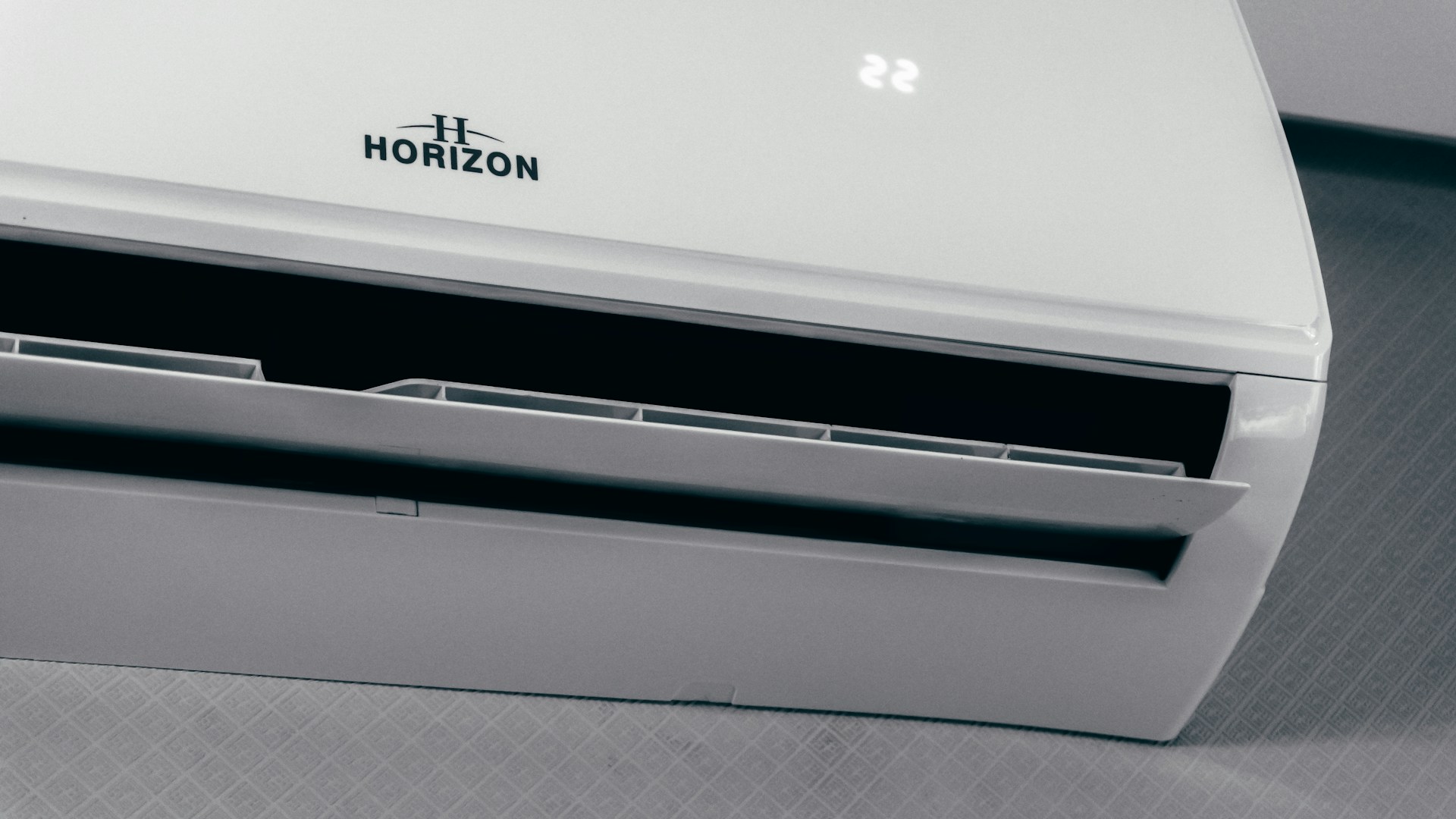
The mix-up was first reported by Fox 5 NY and followed up by the New York Post. According to the reports, her account had been swapped with that of the unit one floor up.
“For 10 Years, I Was Afraid To Use My Air Conditioning”
Nicole Niceforo told the station exactly how it felt. “For 10 years, I was afraid to use my air conditioning,” she said.
She smelled trouble early. Back in September 2016, she emailed Con Ed asking for a technician to check her meter. The utility sent her to the building’s managers instead.
She came away feeling she had nowhere to turn, and the bills kept rolling in month after month.
It took more than nine years and another push for a test before the swap was finally exposed. Niceforo described an endless loop of phone calls and mounting exasperation, and said she felt both furious and vindicated once the truth came out.
The Refund Checks Topped $6,000, But There Is A Catch
Con Ed has since owned up to the blunder in writing and cut her refund checks topping $6,000. That sounds like a happy ending until you read the fine print.
The money covers only the most recent six years. That leaves close to four years of overpayments, plus interest, still on the table.
The state Department of Public Service passed on ordering Con Ed to pay more, siding with the utility’s position that billing fixes stop at six years. The department also said it has no record of a formal complaint from her in 2016.
Six Years Is An Industry Norm, And The Clock Was Already Ticking
That six-year window is nothing new. State lawmakers have described a six-year refund period as a long-standing utility industry norm that the Public Service Commission follows.
In other words, the clock was running on Niceforo’s money long before anyone figured out what went wrong. In a statement, Con Ed said it works with customers who believe their bills do not reflect their actual usage, and it stood firm on the six-year cap.
She Is Not The First, And Con Ed Has A Colorful Billing History
Crossed meters are a known headache in multi-unit buildings. In a separate case, a homeowner overpaid roughly $11,000 across seven years after their meter was mixed up with a neighbor’s, even after paying for upgrades meant to cut their power use.
Con Ed has had other head-scratching bills in the borough. The utility once apologized to a Queens man who was billed $38 million, an amount later knocked down to the $74 he actually owed. Another New Yorker said she kept receiving bills addressed simply to the utility pole outside her home, starting with one for $5,000.
The stakes are rising as power costs climb. Queens Borough President Donovan Richards and union members have rallied against Con Ed’s proposed rate increases, part of a broader pushback from local officials over affordability.
The numbers add up to a painful picture. A woman who spent years sweating through summers to avoid a high bill was, by her own account, paying for her upstairs neighbor’s comfort.
Think about what that means for a household on a fixed income. Every window fan she chose over the air conditioner, every sink of dishes washed by hand, was a small sacrifice made because a number on a bill told her she was using too much.
It is also a good reason to treat a stubbornly high bill as a question worth asking out loud, not just a fact of life to be endured quietly.
How To Catch A Billing Mix-Up Before It Costs You Years
You do not have to wait a decade to find out your bill belongs to someone else. These steps work for anyone, especially people in apartments or multi-unit buildings.
- Compare your usage to your lifestyle. If you are careful with the thermostat and your bill is still sky-high, that mismatch is your first red flag.
- Ask for a meter test in writing and keep a copy. Phone calls vanish, emails do not.
- Write down the date and name of every person you speak with at the utility.
- Check the meter number printed on your bill against the number on the meter itself. In a building with many meters, it takes a minute.
- Turn off everything in your own unit and see whether the meter keeps spinning. If it does, the meter may be wired to something else.
- File a formal complaint with your state utility regulator if the company does not fix the problem. Niceforo’s case shows that a formal complaint on record may matter.
Refund rules differ by state and by utility, so ask your regulator how far back a correction can go where you live. The sooner you raise the alarm, the less money can fall outside that window.
Niceforo’s story is a reminder that the person who pays the bill is often the last to be told it is wrong. A little suspicion, put in writing early, can save you thousands.
More Stories You May Like
- Before Paying To Apply For An Apartment, Check These 8 Rental Application Fee Rules, Including The States That Cap What Landlords Can Charge
- Minnesota Man Becomes A Home Inspector Just By Declaring It Because The State Requires Nothing, Then Shows How Sellers Win By Never Looking For Mold
- Couple Races to Gut a Fixer Upper Nobody Has Lived in for 20 Years Before Their January Baby Arrives, and Then a Tree Limb Lands on the Fresh Roof
Leave a Reply