Jamie of @JamieYork has done the homework most house flippers skip. He says he has analyzed over 1,300 flips in the last 10 years, invested in over 150 of them, lost millions and made even more. At the time of filming, he had 23 flips going.
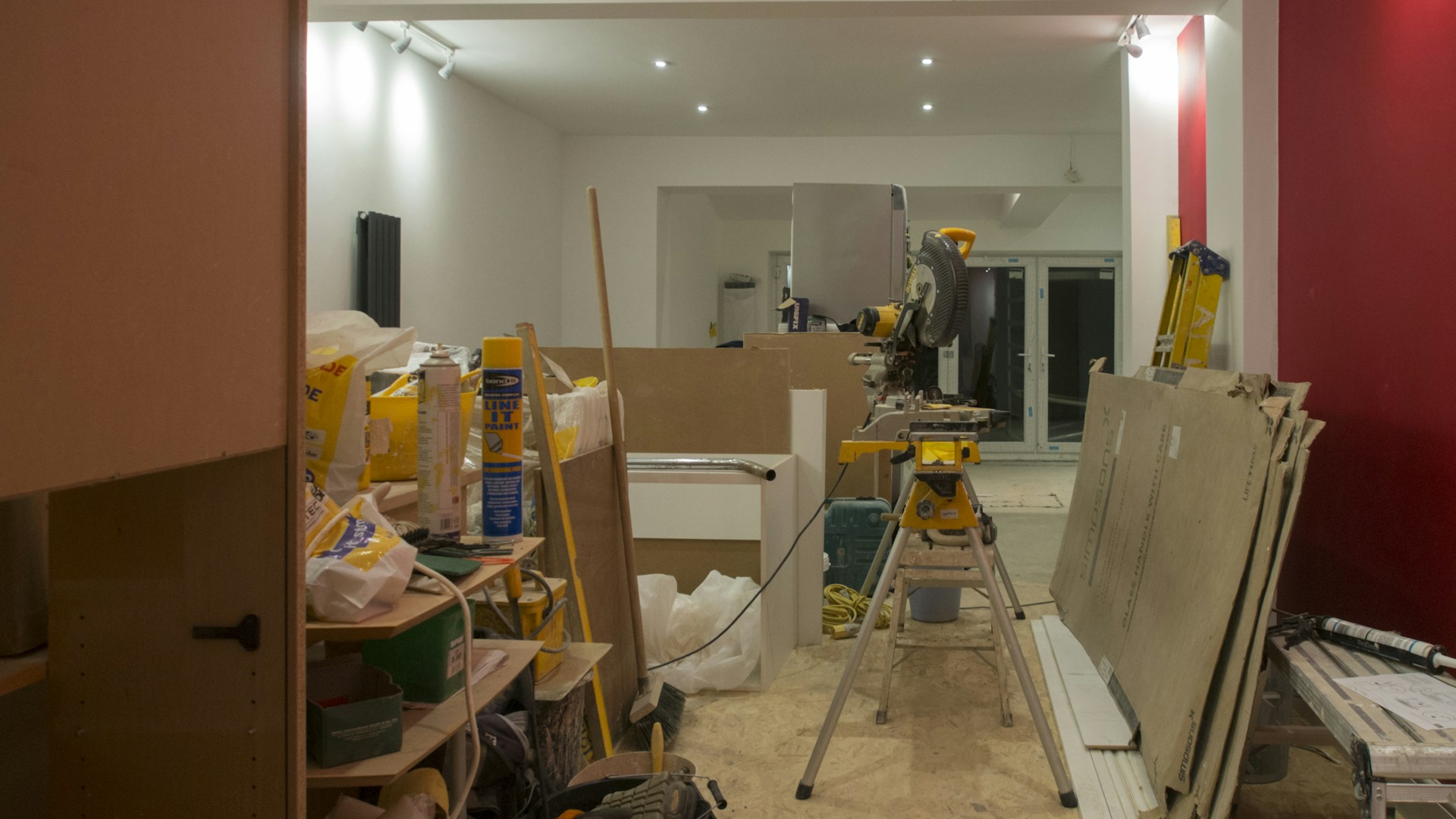
So is flipping still worth it? Jamie says yes, with a catch. He points to a recent study that found 92% of flips make a profit overall, which he calls a really good result.
What interests him is the other 8%. When a flip goes wrong, he says, it is not a lost £500. It is usually a loss of £10,000, £20,000 or £30,000 plus, and those people never try again because one deal did the damage.
The Flip That Took 12 Months Instead Of Eight
Jamie’s first culprit is being overzealous. People announce they will flip a house in six months for a set price, and everything will be incredible. He says it is very rare to see a renovation or its timeline go exactly to plan.
He gives a real example from his own business. A property was a great deal with a good margin, and it sold quickly. Then the first buyer had a personal situation and pulled out during the legal process.
The team lost two months of momentum, relisted the house, and sold it for slightly less to a buyer in a strong position. What Jamie expected to take eight months took 12. It took longer to list, longer to get the trades in, and longer to sell.
His rule of thumb is to add 33% to your timeline and 10% to 15% to your budget. If you think a project takes six months, plan on nine.
Labor, Materials And Money Cost More Than They Used To
The next problem is cost. Jamie says the UK imports a lot of the materials used in refurbishments, and labor is short. He cites figures that a light refurbishment, the typical tart-up, has gone from an average of around £15,000 to £25,000 at the time of filming.
The cost of living and the cost of finance have climbed too. The result, he says, is that fewer people can buy at your price. Where there might have been 50 or 60 buyers five years ago, he says there may now be only five or six.
The longer and bigger the project, the more chances for prices and costs to shift. Someone building a block of flats must factor in inflation on materials, he says. On a three-month refurbishment, probably less so.
Why Your First Refurb Should Not Be A Flip
Jamie says it is still worth flipping in 2026, but there is a format. His first piece of guidance is for people who have never done a refurbishment. Do it on a rental property, not a flip.
A flip gives you one chance, and a mistake can be costly. On a buy-to-let, he says, you will probably take longer and spend more than planned, but property is forgiving over time through capital growth and inflation eroding the debt.
The Backup Plan Every First Flip Needs
Once you have done a rental refurb, Jamie says your first flip should have a secondary exit. Ask yourself whether you would be willing to hold the house long term if it does not sell.
That means being able to refinance onto a buy-to-let mortgage at 75% loan to value and rent it out for 10 or 20 years, or sell at the end of a fixed period. The first flip, in his words, should also make sense as a rental, because things will happen with the market, labor, materials and the final price.
A Bigger House In A Better Area Paid About £70,000 For The Same Effort
Jamie’s third piece of advice is about where you flip. Say you buy a £150,000 house in Leeds, spend £30,000 on a refurbishment and sell it for £210,000. That is a decent margin.
Now say you buy a three-bed semi in a nice area of Leeds for £350,000, spend £50,000, and sell for closer to half a million, making about £70,000 after finance costs. It is the same amount of effort, he says.
His tip is to go to the entry level of the higher-end market. In a wealthy area, you might see a £2 million detached house and, two roads away, a semi for half a million. He says that approach lets him make £50,000 to £100,000 on a deal instead of £20,000 or £25,000, for the same risk and effort.
Three Ways To Squeeze More Out Of Every House
The final tip is to look for extra ways to make money on the property. Jamie shares three.
- Add rooms. Moving a bathroom or putting up a stud wall can turn a two-bed into a three-bed, or a three-bed into a four-bed.
- Build out or up. A loft conversion or a side or wraparound extension, often under permitted development, can add value.
- Think about the buyer. Selling to investors with a rental agreement in place, such as a social housing contract with guaranteed income, can raise the value, though he warns there are ups and downs.
His own example is a three-bed semi that he bought for £310,000, spent about £100,000 on, and is selling for £550,000 after a single-story wraparound extension.
Before you start, Jamie says, ask what you actually want. If your goal is to leave your job on one or two deals a year, flipping can work if you get properly educated and first cut your risk with a rental deal or two.
More Stories You May Like
- New Jersey Homeowner Says The Neighbor Who Acted Like The Project Manager And Brought Pastries To Her Builders Started Peering Through Her Windows
- Before Paying To Apply For An Apartment, Check These 8 Rental Application Fee Rules, Including The States That Cap What Landlords Can Charge
- 9 Things Renters Insurance Often Does Not Cover, And The Surprises That Catch Tenants Off Guard After A Storm, A Flood Or A Roommate’s Claim
Leave a Reply