If your homeowners association has been making your life miserable, one real estate creator has a very unusual form of payback. According to johnknowsrealestate on Instagram, there is “nothing funnier” than installing a bat roost big enough for thousands of residents.
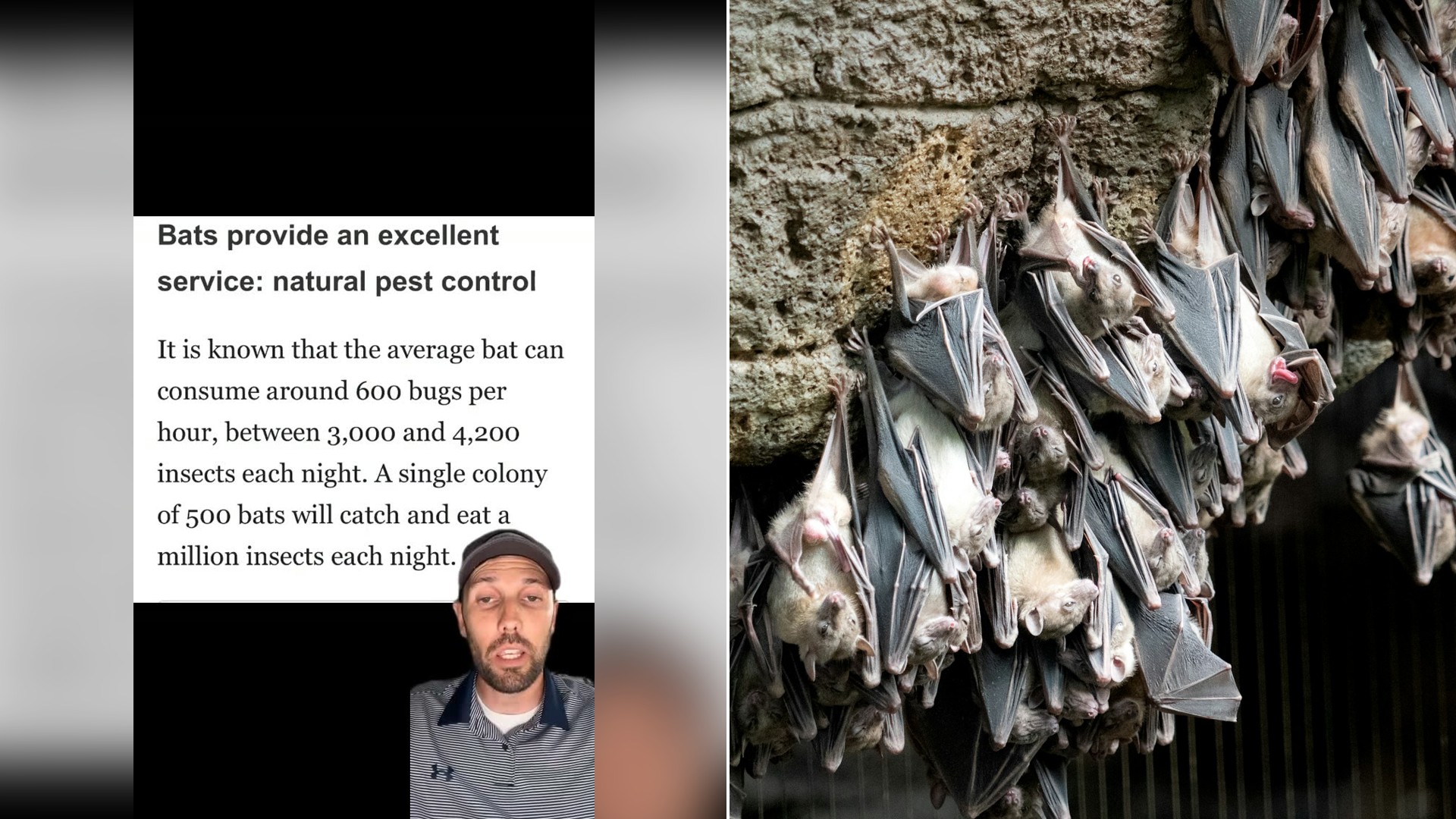
He is joking, of course, and the post is titled “How to Get Back at Your HOA.” But underneath the humor is a surprising amount of real information about bats, backyards and bugs.
Here is the pitch, the science behind it, and what a homeowner should think about before hanging anything on a pole.
View this post on Instagram
“Thousands Of Bats” Versus One Very Annoyed HOA
The creator’s idea is to install a bat roost with a capacity of 7,000 or more. That, he says, would cause thousands of bats to move into the neighborhood.
The HOA would complain, he says, “but they legally can’t do anything because bats are federally protected animals and cannot be removed.” That is the punchline of his tip.
It is worth adding some real-world caution. Bat protections vary by species and by location, and rules about removing bats can depend on state and local law. A joke about neighborhood revenge is not legal advice, and anyone who lives under HOA rules should read the community documents before building anything in the yard.
The Real Reason Bats Are Worth Having Around
Once the joke is out of the way, the creator turns to a serious benefit: bats provide an excellent service in the form of natural pest control.
He says the average bat can eat around 600 bugs per hour. Over a night, he says, that adds up to between 3,000 and 4,200 insects.
Then he scales it up. “A single colony of 500 bats will catch and eat a million insects each night,” he says. And he asks viewers to imagine what a roost holding more than 7,000 could do.
For anyone who has spent a summer evening swatting mosquitoes on the porch, that is an appealing thought. Fewer flying pests means more time outside and, for some gardeners, less need to reach for sprays.
A Roost You Can Actually Visit In Florida
The creator backs up the idea with a real place to see one. If you are interested in building a bat roost, he suggests a visit to the Spirit of the Suwannee RV Park in Live Oak, Florida.
That is where you can see a bat roost in person, he says. Thousands of bats swarm in and out of it every night, which makes it a handy place to see how a large structure works before you try to copy it at home.
Seeing one in action is a good idea for any DIYer. It shows how high a roost is mounted, how open the area around it is and how the bats come and go at dusk.
What To Know Before You Build A Bat House
Even if you never plan to bother your HOA, a bat house can be a smart project for a yard with a bug problem. Here are some practical points to think about.
- Check the rules first. HOA covenants, city codes and state wildlife laws can all affect whether and where you can install one.
- Pick the spot with care. Bat houses are generally mounted on a pole or the side of a building, in a place that gets plenty of sun and is not crowded by branches.
- Be patient. It can take time for bats to find a new roost, and there is no guarantee that any will move in.
- Keep your distance. Bats are wild animals, and you should never handle one with bare hands.
- Contact local wildlife officials or a conservation group if you have questions about bats in your area.
The roost in the creator’s joke holds more than 7,000 bats, and most backyard bat houses are far smaller. A small house can still be a conversation starter, and it can be a quiet partner in your effort to cut down on insects.
The Joke, The Takeaway And The Bugs
It also helps to remember that a roost is a long-term commitment. Once bats settle in, they tend to return season after season, so a homeowner who wants one should plan for upkeep, safe distance and a spot that will still make sense years from now.
The tone of the post is playful, and the headline-grabbing idea is built to get a laugh from anyone who has ever received a stern letter about their mailbox or lawn. But the useful message is real: bats are hard-working neighbors that can help keep insect numbers down.
If you love the idea, start small, follow the rules in your area and enjoy the show at dusk. If you just love the thought of your HOA board meeting about 7,000 bats, well, at least now you know the pest control numbers behind the punchline.
Either way, the next time you hear the flutter of wings at sundown, think of the 600 bugs an hour that one bat can eat, and consider whether a few thousand of them might make the neighborhood a little more comfortable.
More Stories You May Like
- Long Island Man Allegedly Posed As A Real Estate Agent And Rented Out Apartments He Did Not Own, Pocketing $61,625 Until One Renter Arrived To Find Another Family Already Living There
- Dad Searching For His Outdoor Spigot Shut Off Valve Found A Grenade Beside His New House, And Police Blocked The Street Until A Bomb Squad Said It Was Only Smoke
- Florida Voters Just Approved A Huge Homestead Tax Break That Shields The First $150,000 Of Home Value Starting In 2027, But Newcomers Who Are Not Residents By Dec. 31, 2026 Must Wait Five Years
Leave a Reply