Florida homeowners are about to get a much bigger shield against the property tax bill. Voters approved Amendment 3 in Tuesday’s midterms with roughly 62% of the vote, clearing the 60% threshold needed to change the state constitution, according to the New York Post.
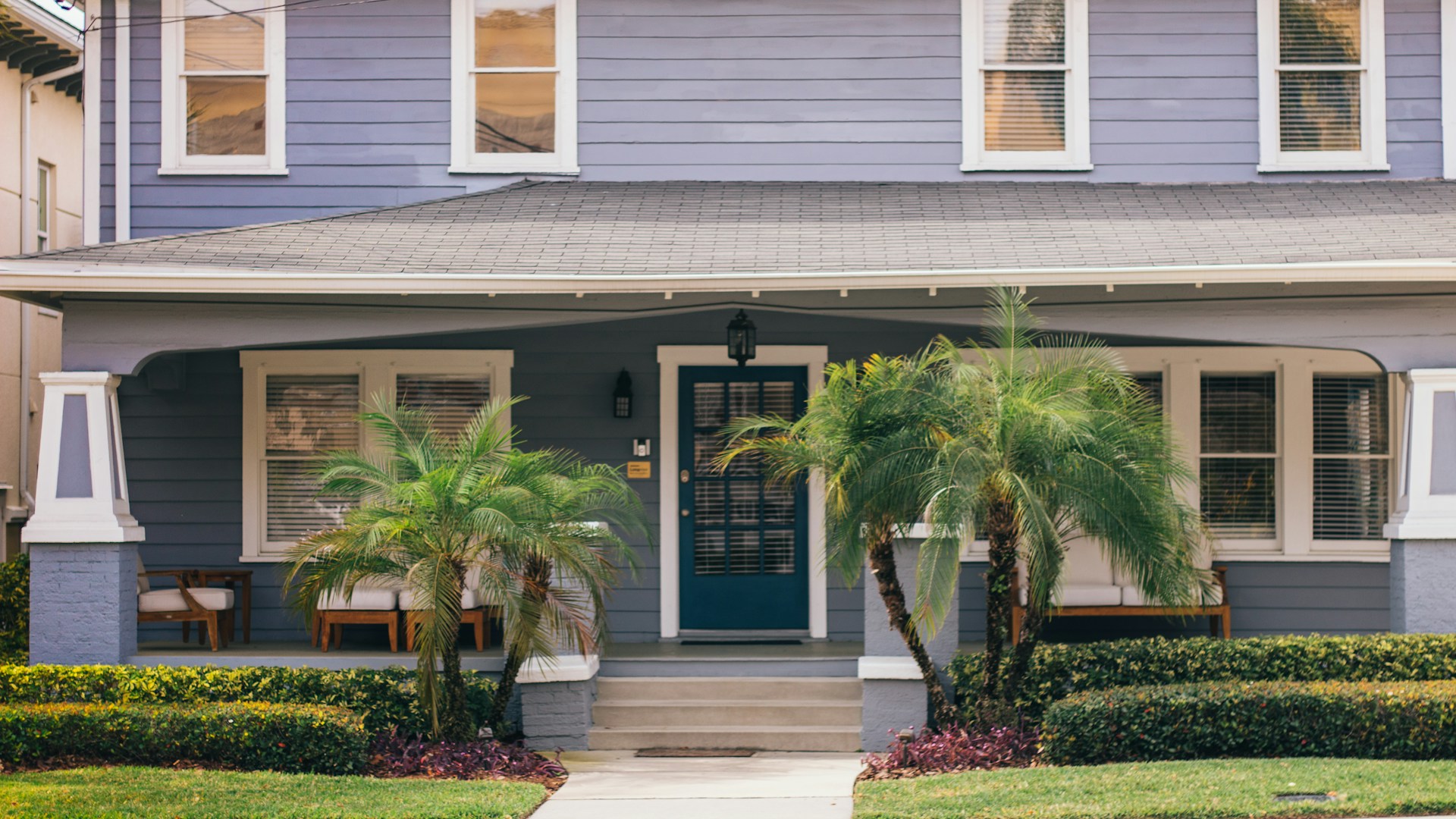
The result opens the door to a major expansion of the state’s homestead exemption, with savings that could reach thousands of dollars a year. But anyone dreaming of moving south to cash in faces a five-year catch.
The First $150,000 Of Your Home Value Gets Shielded Starting In 2027
Beginning in 2027, Florida homeowners who qualify for the homestead exemption can shield the first $150,000 of their home’s assessed value from most local property taxes. Today that figure is $50,000.
The tax-free portion rises to $250,000 in 2028 and begins increasing with inflation in 2029.
Here is a simple example. A homeowner whose property is assessed at $400,000 would generally pay applicable non-school property taxes on just $150,000 of that value in 2028, rather than $350,000 under the current exemption.
An earlier Realtor.com analysis estimated that the median Florida homeowner could save roughly $1,800 annually by 2028. The actual amount will depend on local tax rates and the home’s assessed value.
The Catch For Newcomers: Be A Resident By Dec. 31, 2026, Or Wait
Here comes the twist. Anyone who is not a Florida resident by Dec. 31, 2026, will initially receive only the existing homestead exemption upon qualifying. The expanded benefit does not kick in until their fifth year of homestead eligibility.
Florida has long attracted affluent Northeasterners, especially New Yorkers, with no state income tax and warm weather. As the Post previously reported, wealthy New Yorkers helped fuel a dramatic surge in Palm Beach property prices, with the median listing price nearly doubling between September 2019 and January 2025.
“Did You See This? Look At This, It’s Great,” Luxury Clients Are Texting
In Florida’s luxury market, the amendment is already generating buzz. Miltiadis Kastanis, executive director of sales at Compass, told the Post that wealthy clients have been discussing the proposed changes for months.
“My clients are texting it around the good things, saying, ‘Did you see this? Look at this, it’s great,’” Kastanis said.
He suggested the five-year wait could even speed up some moves. “I think what they would do is just start the move sooner,” he said.
Many families have to coordinate moves around businesses, school schedules and other commitments, so those decisions are often made years in advance. Kastanis said New York and California remain major sources of wealthy buyers, alongside Illinois and Washington, DC. “In the high-end marketplace, buyers follow the tax trend,” he said.
Inquiries have recently picked up, Kastanis added, although that interest has not necessarily turned into completed sales.
Second Homes And Rentals Get A Break Too
Amendment 3 is not only about primary residences. The measure cuts in half the amount by which local governments can increase a property’s assessed value each year, from 10% to 5%.
That means if a vacation home or rental property is assessed at $500,000, its taxable assessment generally could rise by no more than $25,000 the following year, rather than $50,000 under the old rules.
The change covers vacation homes, rental properties, investment properties and commercial buildings, potentially slowing the growth of their tax bills even as real estate values climb.
One important detail: the cap applies to assessed values, not tax rates, and assessments can reset after a property changes hands.
Put those pieces together and you can see why the vote is being watched so closely. For a longtime homeowner, the change is simple: more of the home’s value is off limits to local property taxes, and the shield grows again the following year.
For a newcomer, the calculation is trickier. A buyer who arrives after the Dec. 31, 2026 deadline starts with the old exemption and must wait for the fifth year of homestead eligibility before the expanded one applies.
That gap is what Kastanis suggested could push some wealthy buyers to start their moves sooner.
What Homeowners And Buyers Should Do Next
If you own or plan to buy in Florida, a little homework now can save real money later. Here are practical steps.
- Confirm your homestead exemption is filed and active. Exemptions generally apply to your primary residence, and you usually have to apply through your county property appraiser.
- Pull up your latest assessed value on your county property appraiser’s website and run the numbers yourself, using the $150,000 and $250,000 figures above.
- Remember that your bill depends on local tax rates, not just the exemption. Your county, city and special districts all set their own.
- If you are thinking of moving, mark Dec. 31, 2026 on the calendar. Residency by that date decides whether you wait five years for the bigger benefit.
- Owners of second homes and rentals should note that a lower cap on assessment growth helps most when values climb quickly, and that a sale can reset the assessment.
Property tax rules are easy to misread, so talk to your county property appraiser or a tax professional before making a big decision. The headline numbers are generous, but the fine print decides who gets them and when.
More Stories You May Like
- 60% Of Americans Had A Large Appliance Break Down In Five Years And 39% Of Them Tossed It Because They Could Not Find A Repair Person They Were Happy With
- 11 Things That Can Quietly Drag Down A Home Appraisal, Including Small Repairs Sellers Ignore Until The Lender’s Appraiser Walks Through
- She Says Her Family Lives On One Income By Cutting Five Things, And Her Makeup Budget Is Just $20 A Whole Year
Leave a Reply