The dryer quits in the middle of a load. The refrigerator starts warming up. You stand in the kitchen with a pile of damp laundry or a shelf of lukewarm milk and ask yourself the question millions of households face: fix it or replace it?
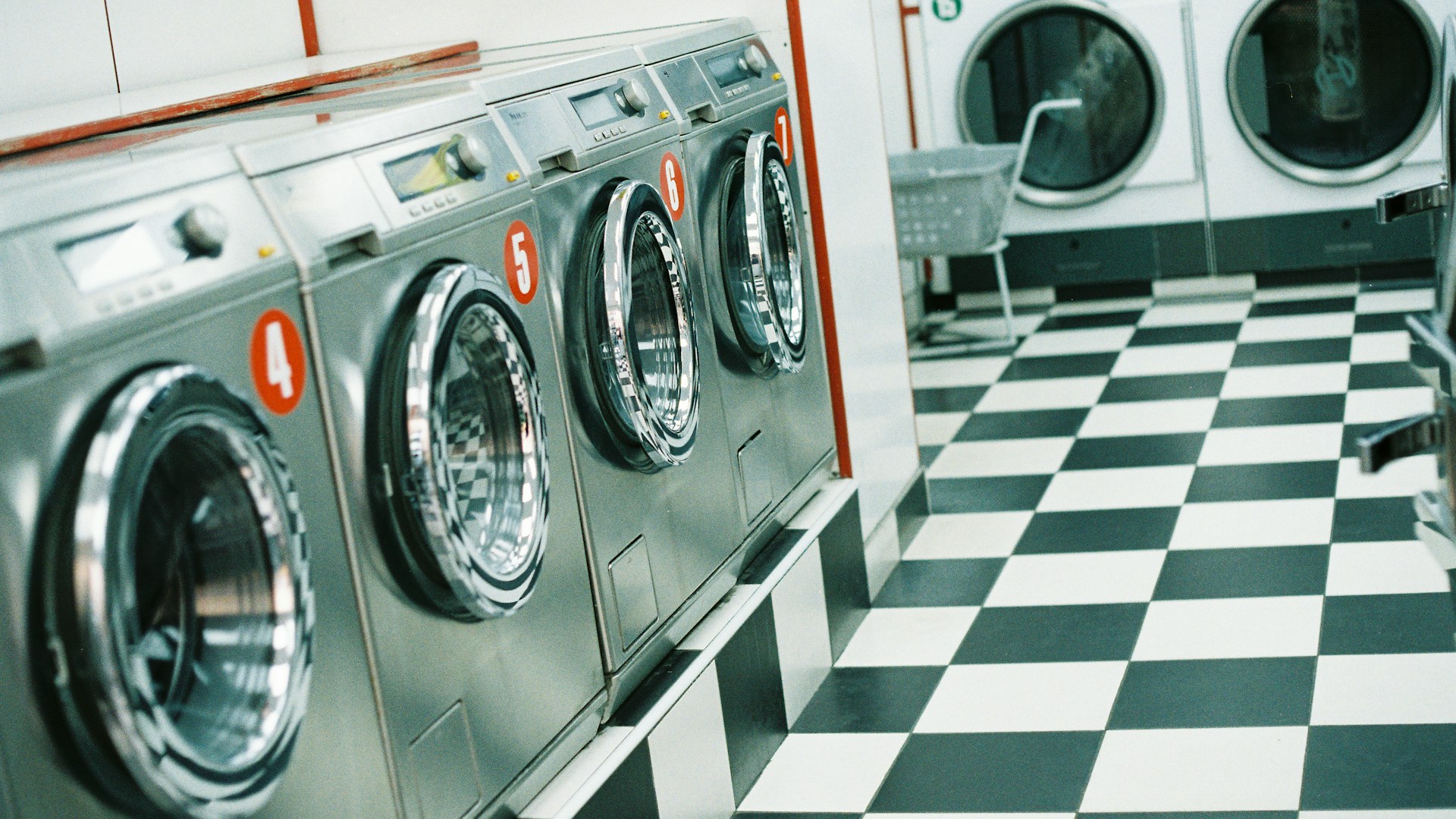
A survey from Consumer Reports suggests a lot of us answer that question with a trip to the appliance store, and for some people the reason is not the price of the repair at all. It is the hassle of finding someone they trust to do it.
What The Survey Found
The numbers come from the Consumer Reports Right to Repair Survey, which polled 2,154 adults in the summer of 2024 and was published on October 22, 2024. Here is what it reported:
- 60% of respondents had a large appliance stop working in the past five years.
- In 58% of those cases, the appliance was replaced.
- 39% of owners whose large appliance broke or needed repair got rid of it because they could not find someone they were happy with to fix it.
That last number is the one that stands out. According to the survey, the reason was that they could not find someone they were happy with to do the fixing. The obstacle was finding the right person, which is a different problem from the machine being beyond saving.
Small Appliances Tell The Same Story
Smaller items fared no better. The survey found 68% of respondents had a small appliance fail. Of those, 87% replaced it, and 72% said they simply bit the bullet and replaced it. Think coffee makers, toasters, vacuums and blenders. When the item is inexpensive, replacing it feels easy.
That is fair enough for a ten-dollar gadget. But the same habit is expensive when it carries over to a washer, a range or a refrigerator. A large appliance is a big purchase, and the decision to toss one deserves a little more thought than a shrug.
The Repair Versus Replace Money Trap
Here is the trap. Replacing an appliance feels like a clean solution because the new one comes with a delivery date, a warranty and no mystery. A repair feels murky: who do you call, when will they show up, and what will they say it costs?
That uncertainty pushes plenty of folks toward the checkbook. But a quick bit of homework can sometimes keep a perfectly good machine running and a lot of cash in your pocket. Only you can judge each case, since every appliance and every repair is different, but a few steps give you a fighting chance of making a smart call.
Before You Toss It, Try This
- Get the facts on the problem. Write down the make, the model number and exactly what the machine is doing. The model number is usually on a sticker inside the door or on the back. A clear description helps any repair person give you a straight answer.
- Check your paperwork. Look for a manufacturer warranty, an extended plan from the store or coverage through your credit card. Many people forget they have it until after they have already bought a replacement.
- Ask around. Neighbors, family members and local community groups are often the best source of a repair person who showed up on time and charged a fair price. A name someone vouches for beats a random search result.
- Get at least two quotes. Ask for the diagnostic fee up front and whether it is applied to the repair if you go ahead. Ask for the total in writing.
- Weigh the price against a new one. Compare the repair quote with what a comparable new model costs, including delivery and haul-away, and think about how old the machine is.
None of that is complicated, and none of it takes more than an hour or two. Yet the survey suggests many people skip straight to the end of the list because the first few steps feel like a chore.
Why This Matters Beyond Your Wallet
When a large appliance gets thrown away because no one could be found to fix it, that is a perfectly good machine heading out the door. It is also money out of your pocket that may not have needed to go. For a household on a fixed income or a tight budget, a few hundred dollars saved on one repair-or-replace decision can pay for a month of groceries.
The takeaway is not that you should always repair. Sometimes replacing is the right call, especially for an older machine whose repair quote is close to the price of a new one. The point is that the decision should be made on cost and condition, not because you could not find a phone number.
Build Your Repair List Before You Need It
The smartest move may be the one you make when nothing is broken. Spend a few minutes now collecting the names and numbers of a couple of local repair businesses, and keep your warranty papers and model numbers in one folder. When the washer dies on a Sunday night, you will already have a plan instead of a panic.
It also helps to ask a repair person, the next time one is in your home for any reason, whether they service other appliances and what they would recommend. Having a relationship with someone reliable is exactly what the survey suggests so many households lack.
So the next time something big breaks, take a breath before you open a shopping app. Two phone calls and a look at your paperwork may keep a good machine running and keep your savings intact.
More Stories You May Like
- They Plan To Restore A 130 Year Old Abandoned Farmhouse With No Power, No Water And No Plumbing, And Will Close In The Porch For A Bathroom
- Handyman Shuts Down His Business After Five Years and Hundreds of Jobs and Shares What He Learned
- Gardener Strips A Tomato Plant Down To One Leaf And Lays It Sideways In A Trench So The Stem Turns Into Roots And Grows Bigger Tomatoes
Leave a Reply