A pre-1930 house in Vancouver that was approved as a single-family home with one secondary suite ended up with about 21 sleeping rooms and about 17 tenants. Now British Columbia’s tenancy enforcement unit has hit the people behind it with $93,800 in penalties.
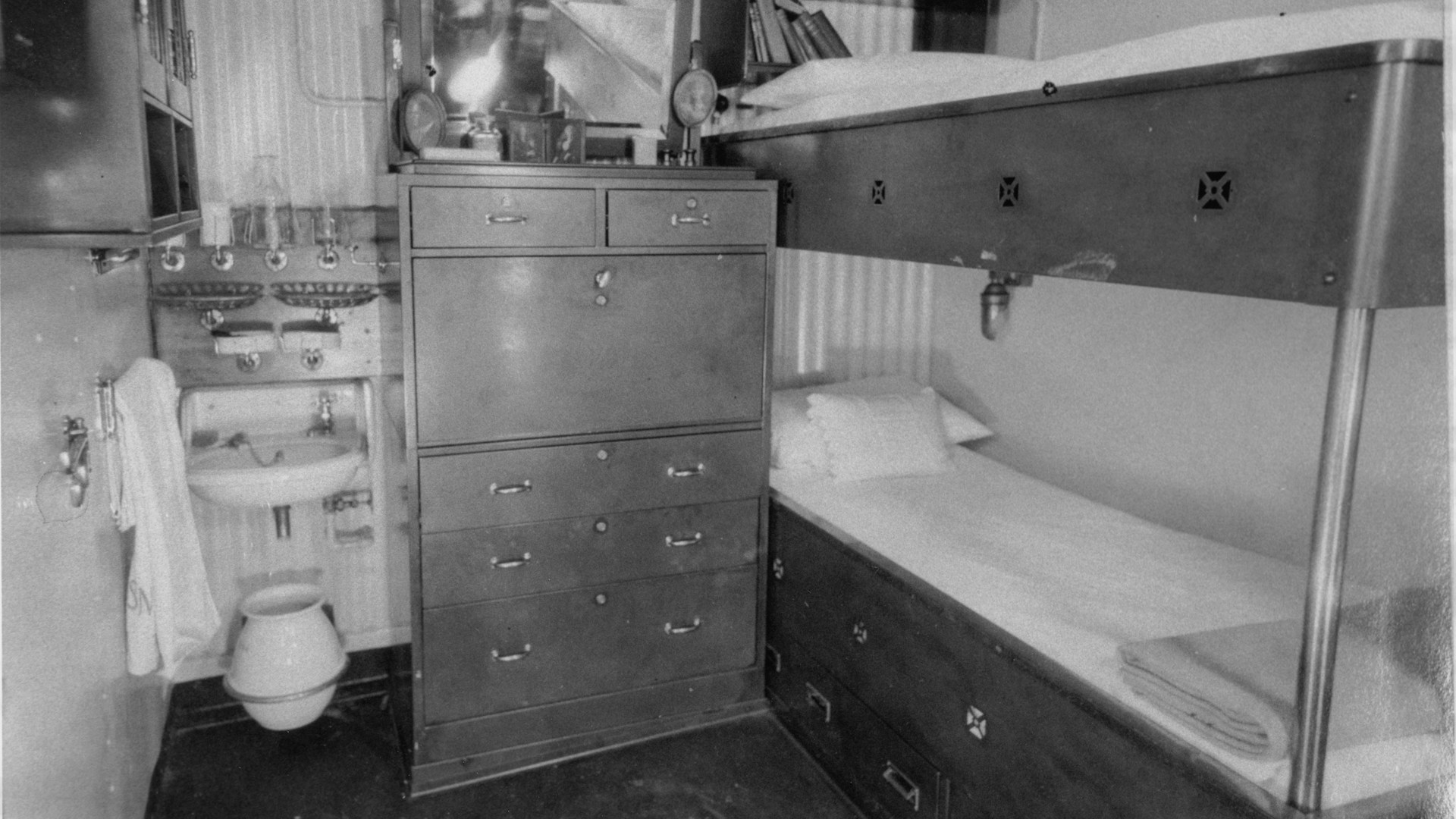
The decision, issued July 28, 2026 by the province’s Residential Tenancy Branch Compliance and Enforcement Unit, is a useful look at what can go wrong when a house is chopped into rooms without the proper approvals.
A Single-Family House Became A Maze Of About 21 Small Rooms
According to the full decision, the home is classified as a single-family dwelling with a secondary suite. The owners, Sam Law and Lisa Law, bought it in a cash sale that closed April 7, 2021 for $1,578,000.
In 2023 the owners obtained vacant possession of parts of the property, and the decision describes substantial interior alterations afterward. By 2024 and 2025, numerous unrelated people were each renting an individual room on the main, upper and basement floors. The tenancies in question ran from roughly May 29, 2024 to September 17, 2025.
The home was approved for single-family use, not as a rooming house or for multi-room sleeping accommodation.
Tenants Reported Rodents, Mould And Water Coming In
Several tenants took their complaints to the Residential Tenancy Branch. They raised rodents, mould, water ingress, fire safety, exits and general maintenance. In at least two of those dispute proceedings, arbitrators found the landlords had breached section 32 of the Residential Tenancy Act, which requires a landlord to provide and maintain a rental unit in a state that meets health, safety and housing standards. The findings involved a rodent infestation and maintenance.
That was only the beginning. The City of Vancouver stepped in next.
City Inspectors Counted 17 People And 21 Sleeping Rooms
On June 12, 2025, the city told the owners that suites had been built without permits and that continued use was prohibited unless permits were obtained or the work was removed.
A city inspection on July 22, 2025 found about 17 occupants and about 21 sleeping rooms. Inspectors listed unpermitted construction and problems with exits, fire separation, electrical work, plumbing and fire-safety equipment.
More inspections by the city and Vancouver Fire Rescue Services followed that summer. A ticket was issued for fire bylaw violations, and an Immediate Standards of Maintenance Order was issued.
An Order To Vacate Gave Everyone Until September 8
On August 22, 2025, the city issued an order to vacate requiring the house to be emptied by September 8, 2025. The provincial investigation opened four days later, on August 26.
On September 3, investigators and the city’s Chief Building Official walked the house. They observed about 20 small rooms, narrow and unstable stairways, inadequate fire separation, deficient exits, exposed plumbing and wiring, and rooms with no windows or with barred windows.
The decision records that the property was vacated on or about September 17, 2025.
Five Respondents, Three Violations And $93,800
The unit named five respondents: owners Sam Law and Lisa Law, Livewell Homestay and Cleaning Limited, and two directors of that company, Jimy Law and Matthew Lo. None submitted a response before the decision was made.
The penalties break down this way:
- $85,000 for failing to maintain the property to health, safety and housing standards, set at $5,000 for each of the 17 tenancies.
- $5,000 for failing to deal with plumbing and electrical problems that counted as emergency repairs.
- $3,800 against Jimy Law alone for giving false or misleading information in dispute proceedings.
The first two amounts, $90,000, are owed jointly by all five respondents. Add the $3,800 and the total is $93,800. The payment deadline listed in the decision was October 2, 2026.
He Told Hearings No More Than 12 People Lived There
The third penalty is the most unusual. Jimy Law appeared in six dispute hearings between September and November 2025, and the decision finds several of his statements were materially inaccurate.
He said no more than 12 occupants lived at the house and that no rental spaces had been added, while the city recorded about 17 occupants and about 21 sleeping rooms. He described the renovation work as cosmetic. He also said the city had ordered bedroom door locks removed, which the city confirmed it had never done.
He further described Livewell as a wholly independent legal entity with no family connections. The decision notes that in the dispute proceedings he identified Sam Law as his father. The unit found he knew, or should reasonably have known, that the statements were inaccurate.
What Renters Should Check Before Signing For A Room
Rooming arrangements are not illegal by themselves, and plenty of renters share houses safely. The trouble comes when a landlord adds rooms without permits and without the fire protection that people sleeping in those rooms rely on. A few checks can help.
- Count the exits. Every sleeping room should have a clear way out, ideally a window or door that opens fully. A room with no window or a barred window is a red flag.
- Look for working smoke alarms and a clear path to the front door. Narrow, steep or wobbly stairs matter more when people are leaving in a hurry.
- Ask how many people live there. If the landlord’s answer does not match the number of beds and door locks you see, ask more questions.
- Check the wiring and plumbing. Exposed wires, extension cords running through ceilings and leaking pipes are reasons to walk away or report it.
- Keep records. Photos and dated messages about mould, pests or leaks are the kind of evidence tenants brought to the Residential Tenancy Branch here.
If you rent in British Columbia, the Residential Tenancy Branch accepts complaints and publishes its penalty decisions at gov.bc.ca/landlordtenant. Elsewhere, your city’s building or fire department can tell you whether a house is approved for the number of people living in it.
For the seventeen households who lost their homes when the order to vacate took effect, the penalties came long after the move out. For everyone else, the case is a reminder that a low rent for a room can come with hidden costs.
More Stories You May Like
- LA Landlords Are Turning Tenants’ Parking Spaces Into New Apartments, And A Judge Halted One Project Converting 20 Spaces Into Nine Units While A 70 Year Old Renter Says Parking Is Her Freedom
- Dad Searching For His Outdoor Spigot Shut Off Valve Found A Grenade Beside His New House, And Police Blocked The Street Until A Bomb Squad Said It Was Only Smoke
- Homeowners Say They Are Being Forced Out After HOA Fees Jumped From $158 To $2,500 A Month In Five Years, And The Board Blames Neighbors Who Sued
Leave a Reply