Imagine buying the home you planned to retire in, then watching the monthly neighborhood fee climb from $158 to $2,500 in five years. That is the story homeowners in Magnolia Cove, a community in Sherrills Ford, North Carolina, are telling, according to a report in the New York Post that draws on local station WSOC-TV.
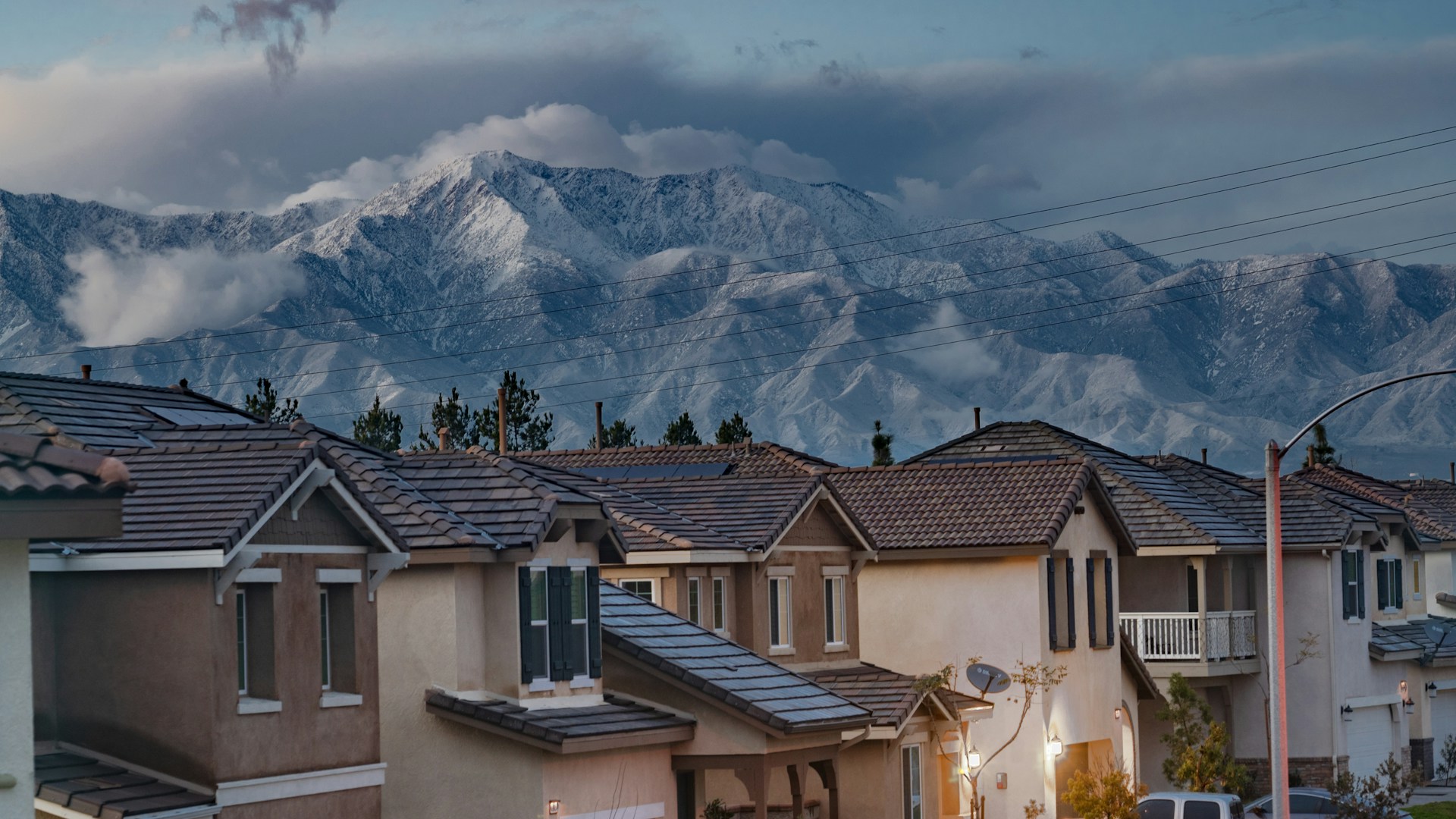
The association voted Monday to double monthly fees from $1,250 to $2,500. That works out to $30,000 a year in HOA dues alone, on top of mortgages, property taxes and other expenses.
From $158 To $2,500: “We Are Going To Be Forced Out With Nowhere To Go”
Jill Menson and her husband bought their home believing it would be the last place they would ever live. Five years ago, their monthly dues were just $158.
Those fees ballooned to more than $1,200 this summer, along with a $10,000 special assessment. The latest increase pushed the monthly bill to $2,500.
“We are going to be forced out with nowhere to go, because no one is going to get a dime for their houses even if we put them on the market,” Menson told WSOC-TV.
The board had first proposed an even bigger number: $7,500 a month. The Post reported on the neighborhood’s HOA controversy in July, when residents were already reeling from fees that had jumped from $350 to $1,250 a month.
“There Has To Be HOA Reform,” One Resident Says
Now residents worry about bankruptcy, foreclosure and whether they can sell at all. One homeowner told WSOC-TV he feared he had only months left before he would have to leave.
“There has to be HOA reform,” the resident said. “It’s insane that they have this much power to take everything that you have worked for over fees.”
Residents also accuse developer Aaron Guess, who they say owns most of the properties in Magnolia Cove and controls the HOA board, of failing to deliver promised amenities, including a swimming pool, lawn services and mailboxes. Guess did not respond to WSOC-TV’s requests for comment.
The Board’s Answer: Legal Bills And Unpaid Dues
The association says the steep fees are needed to cover mounting legal bills and unpaid assessments. According to the HOA, more than 20 homeowners sued the association and some of its officers in early 2024, and those claims were either voluntarily withdrawn or dismissed by the court.
The HOA then pursued counterclaims, and a jury found certain homeowners liable for defamation, awarding monetary and punitive damages, according to the association.
The board says defending the litigation is now the single largest expense in its budget, and that years of unpaid dues have shifted extra costs onto homeowners who keep paying.
The association operates as a nonprofit and maintains that it does not profit from the assessments. It also suggested the fees could eventually come down once legal expenses subside and delinquent accounts are paid.
“They Started A Fight. They Lost.”
Not everyone in the neighborhood opposes the board. Resident Paige Johnson told WSOC-TV, “They started a fight. They lost,” referring to the homeowners who pursued legal action. “They don’t like the outcome and now they think everyone else needs to pay their dues.”
Little Help From The State
For homeowners hoping for government intervention, relief may be slow. The North Carolina Attorney General’s Office told the station that state law does not impose a general cap on how much an HOA can increase its fees each year, although associations must comply with their governing documents.
That leaves residents with a hard choice: pay the soaring fees, try to sell homes they fear have become unattractive to buyers, or risk falling behind on payments.
Look at the math from a homeowner’s seat. Dues of $2,500 a month come to $30,000 a year, a hefty sum before the mortgage is even counted. Add a $10,000 special assessment and a mortgage, and the cost of simply keeping the house can outrun the household income.
That is why residents say the situation feels different from an ordinary fee increase. They are not complaining about a few extra dollars. They are worried that the value of the house itself has been swallowed up by the neighborhood bill, which is exactly the fear Menson voiced.
What To Check Before You Buy Into Any HOA
This story is a loud reminder that the monthly fee on the listing is only the starting point. A little homework before closing can spare you a lot of grief.
- Ask for the budget, reserve study and recent meeting minutes. Healthy associations set money aside for future repairs.
- Ask how often fees have risen and whether any special assessments have been charged in the past few years.
- Find out who controls the board. If a developer still holds control, ask when residents take over.
- Look for lawsuits involving the association, since legal costs can flow straight into your dues.
- Read the governing documents, because the rules for raising fees live there, as the Attorney General’s Office pointed out.
- Check that promised amenities are built, or in writing with a deadline.
If you already live in an HOA, go to the meetings, read the budget and keep copies of everything. Your neighbors, on both sides of any fight, will be paying the same bill you are.
More Stories You May Like
- Three New York City Laws Every Renter Should Know Before Signing a Lease Including Broker Fees Being Illegal When the Landlord Hired the Broker and One Month Deposit Limits
- 60% Of Americans Had A Large Appliance Break Down In Five Years And 39% Of Them Tossed It Because They Could Not Find A Repair Person They Were Happy With
- St. Louis Transplant Says Everyone In The Family Wishes Their House Sat Five Minutes Away And Names The Suburbs Where Buyers Regret The Move
Leave a Reply