Landlords, here is a tip that sounds backwards at first. If you text your tenant on the 2nd asking whether the rent is coming today, one real estate investor says you may be making the worst mistake of your landlord career.
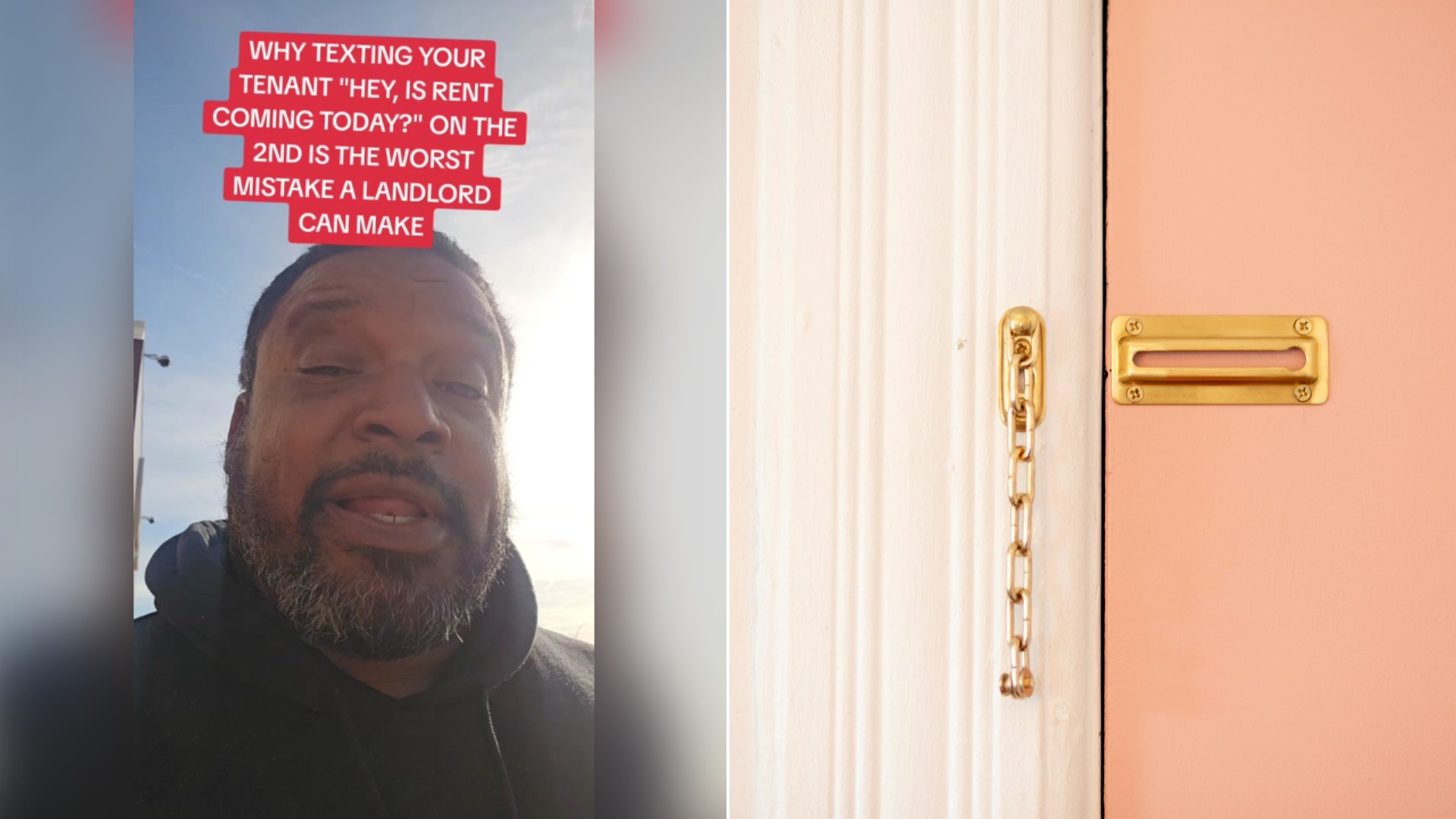
That is the claim from @a_real_estate_vet, who says he learned it the hard way. His fix, he says, gets him about 97% on-time payments.
Why He Says A Friendly Reminder Trains Tenants To Pay Late
The creator compares it to training. He brings up what he calls Pavlovian law, the idea that you can teach a person how you want them to behave, and that people are always learning what your rules really are.
If rent is due on the first, he says, tenants will naturally test what happens when they miss it. Then they learn the answer from you.
The most common landlord habit, he says, is the five-day grace period. He admits he used to do it himself.
Rent is due on the first, but pay by the fifth and no harm done. It sounds generous, and it feels fair.
@a_real_estate_vet
Then comes the turn. He asks how many landlords have done that and then watched their tenant start paying on the fifth every month, as if the first no longer exists.
“I’m Usually Never Late” And Other Things Landlords Hear
He says the real trouble starts when a tenant misses even the fifth. The first thing the tenant says is that they are usually never late, when in fact they have been late every month.
The landlord then waives the late fee as a favor, and the creator says that is how the pattern deepens. Tenants learn that every so often they can ask for a pass.
His point is that the grace period is not the problem on its own. The trouble is when the real due date quietly slides to the fifth and everyone behaves as if it was always meant to be that way.
His Fix Is A Rent Service That Treats The First As The First
Instead of texting tenants himself, he uses a service called VaraPay, which he spells out as v-a-r-a-p-a-y dot c-o. He says it keeps a system record of late payments and treats the first as the due date every time.
It also tries to draft the rent automatically from the tenant’s bank account. If the money is not there, he says, it does not take the payment, so the tenant avoids both a late fee and an overdraft fee.
That, he says, saves the tenant money and saves the landlord a headache, because the landlord knows right away the money is not coming yet.
The Text Message That Asks For A New Date Instead Of An Apology
When a draft fails, the system sends the tenant a message saying rent is due today, that it tried to draft the payment and the funds were not available. It then asks the tenant to give a new date when they will pay.
The creator says this keeps the expectation intact. The tenant still knows rent is due on the first, but is now asking for permission to pay later rather than assuming it.
If the tenant asks for the fifth, he says he will give it, because that is the date he set. Anything later than the fifth, or any other special request, requires the tenant to ask for special permission.
He also points to the paper trail. If a landlord ever ends up in court, he says, the record shows the due date was the first and that every message about it was kept in the system.
Why Tenants Often Like Predictable Rules Too
It is easy to hear this advice as a way for landlords to get tougher, but there is a gentler reading. Clear rules protect both sides, and a tenant who knows exactly when rent is due and what happens if the money is short can plan around it.
Think about how many renters live paycheck to paycheck. A missed draft that leads to an overdraft fee on top of a late fee can snowball into a bigger problem, which is the creator’s whole argument for a system that checks before it pulls the money.
A message that asks for a new payment date also treats the tenant like an adult. It invites a plan instead of an argument, and it gives the landlord something concrete to put in a record.
The same thinking applies if you are renting out a single house or a spare unit. You may feel awkward being firm with someone you like, but clear terms from day one are usually kinder than an awkward conversation later.
For tenants reading this, the takeaway is just as simple. If your rent is going to be late, say so before the due date, and offer a date you can really meet.
What Landlords Should Check Before Changing How They Collect Rent
A few cautions from common sense. First, read your lease and your state’s laws before you set grace periods or late fees, because the rules differ from one state to another.
Second, any rent payment service should be clear about its fees and who pays them. Ask for the terms in writing, and be sure your tenants understand the process before you start.
Third, consistency is the lesson hiding underneath all of this. Whatever policy you choose, apply it the same way to everyone and write it into the lease, so a favor does not quietly become a habit.
The creator calls it a small thing and admits that, but he says it helps in the long run. For small landlords, a small thing that keeps the rent on time and keeps good records can be worth plenty.
More Stories You May Like
- Man Paying Cash With No Debt Wants To Buy Alaska Lots And Build, And The Real Estate Pro Warns It’s A Field Of Dreams Where Buyers Do Not Just Show Up
- Gardener Digs Up About 12 Lavender Plants And Refuses To Replant Them As A Hedge Because Lavender Is Temperamental And Another Gardener Struggled With Hers
- Investor Who Analyzed 1,300 Flips Says 92% Turn A Profit, But The Other 8% Lose £10,000 To £30,000 Plus And Never Flip Again
Leave a Reply