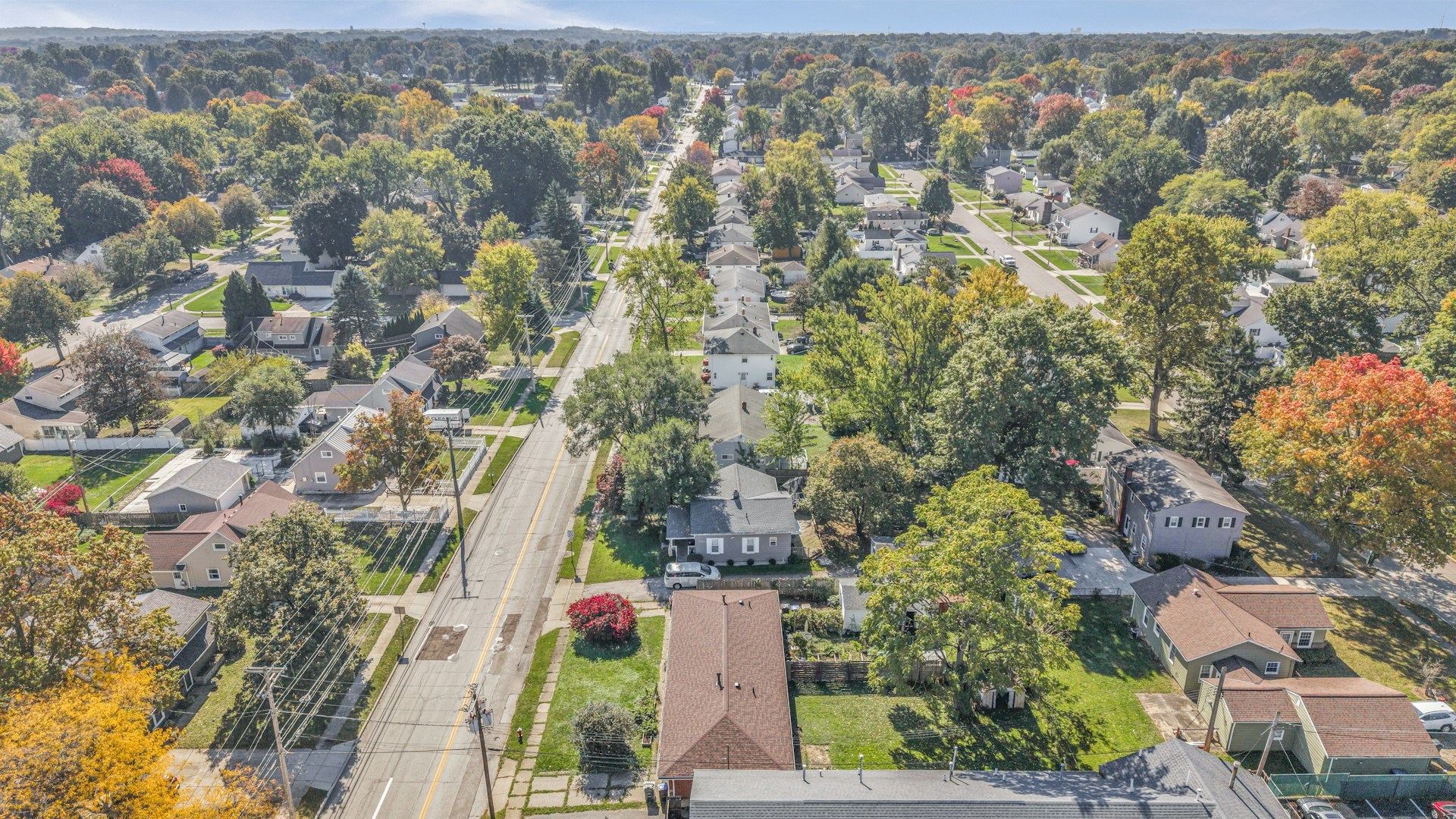
For the first time in more than three years, the typical American home sold for less than it did a year earlier. According to Redfin’s October housing report, released November 10, the median sale price was $388,634, down 0.4% from $390,000 a year before. It is the first annual decline since May 2023.
The drop is small, but the reason behind it is not: mortgage rates have climbed back above 7%, and buyers are backing away. Here is what the latest numbers say and what they mean if you are buying, selling or just watching your home’s value.
Pending Sales Hit Their Lowest Level Since 2013
The more dramatic number is on the sales side. Redfin reports that pending home sales, the deals that have been signed but not yet closed, fell 3.6% from September. Outside of April 2020, when the pandemic froze the market, that is the lowest level since 2013.
In plain terms, fewer people are signing contracts. Prices have barely moved, but the number of buyers willing to jump has shrunk.
Mortgage Rates Above 7% Are Doing The Squeezing
The culprit is the cost of borrowing. Freddie Mac says the average rate on a 30-year mortgage was 7.33% in October, up from 6.86% in September. For the week ending November 5, the average was 7.18%, compared with 6.22% a year earlier.
That gap matters more than it sounds. A rate near 7% on a long loan raises the monthly payment on a given house by a meaningful amount compared with a rate near 6%, which is why a home that felt affordable last fall can feel out of reach now.
Sellers Are Cutting Prices
Realtor.com’s October data shows the same pressure from the listing side. The median listing price fell 2.2% from $415,000, the twelfth straight annual decline.
Active listings rose 7.4% to 1,183,500, which means buyers have more homes to choose from. At the same time, new listings fell 7.5%, a sign that many owners are choosing not to put their homes on the market at all.
Price cuts are showing up too. They hit 20.5% of listings, the highest October share since 2022. That means about one in five homes on the market has already had its price lowered.
“Buyers Have The Upper Hand” But Few Can Afford To Buy
Redfin’s Chen Zhao summed up the tug of war. Buyers technically have the upper hand, she said, but not many of them can afford to buy.
That is the strange feature of this market. Buyers have leverage, because there are more homes to see and more sellers willing to cut. But the same high rates that give them negotiating room also make a loan harder to carry.
Not Every City Is Falling
The national picture hides big differences from city to city. According to the data, San Francisco prices rose 16.8%. Austin fell 6.5%, Seattle fell 5.1% and Nashville fell 4.9%.
So a buyer in one metro may be facing a market that is cooling quickly, while a buyer in another is still competing against rising prices. Local numbers matter more than the headline.
What Buyers Can Do Right Now
Zhao advised buyers to negotiate on price, closing costs, repairs or rate buydowns. Each of those is worth understanding.
Price is the obvious one. With more homes listed and many sellers already cutting, a lower offer is more realistic than it was a couple of years ago. Ask your agent for recent sales and price reductions in your own neighborhood before you decide on a number.
Closing costs and repairs are easier asks for a seller who does not want to drop the sticker price. A seller may agree to cover part of your closing costs or fix problems found at inspection, and either one puts money back in your pocket.
A rate buydown means paying, or having the seller pay, an upfront fee to lower your interest rate for a period or for the life of the loan. Because the monthly payment is what most buyers feel, a buydown can make a purchase work when the rate alone does not. Ask lenders to show you the numbers with and without one so you can compare.
It also helps to get a mortgage preapproval and compare quotes from several lenders, since rate offers can vary from one lender to the next.
What Sellers And Current Owners Should Know
If you are thinking of listing, the data suggests pricing realistically from day one. With more homes on the market and about one in five listings carrying a price cut, an overpriced home is likely to sit and then take a cut anyway.
If you already own, the first annual decline in the median sale price is not a crash. A 0.4% dip is a small change, and a national median is not the value of your house. Your own home’s worth depends on your street, your condition and your local market.
If you already have a mortgage at a lower rate, many owners have reason to stay put. That may help explain why new listings fell 7.5% even as buyers pulled back.
The Takeaway
The housing market is in an unusual spot: prices are slipping slightly, inventory is growing, sales are slowing and rates are up. That mix favors patient buyers who can bargain and who run the numbers carefully. It does not favor anyone counting on a quick, easy deal in either direction.
Watch the mortgage rate, watch your local listings and negotiate everything you can. In a market where few can afford to buy, the buyer who does the homework has the best chance of coming out ahead.
More Stories You May Like
- Home Buyers Face A $2,004 Monthly Payment, Up 12.8% In A Year, As Newly Pending Listings Fall 16.8% In The Steepest Drop Since 2023
- Home Prices Rose In 78% Of Metros But Only 1.7% Nationally, And The Cheap Midwest Is Where Realtors Say The Exceptional Value Is Hiding
- Georgia Homeowners Get An $18,000 Cut In Assessed Value On Their 2026 Property Tax Bills, Applied Straight To The Bill Instead Of A Check, And Most Do Not Have To Apply
Leave a Reply