Here is a number that sounds like good news and bad news at the same time. Home prices rose in 78% of metro areas in the third quarter, yet the national median price went up only 1.7%.
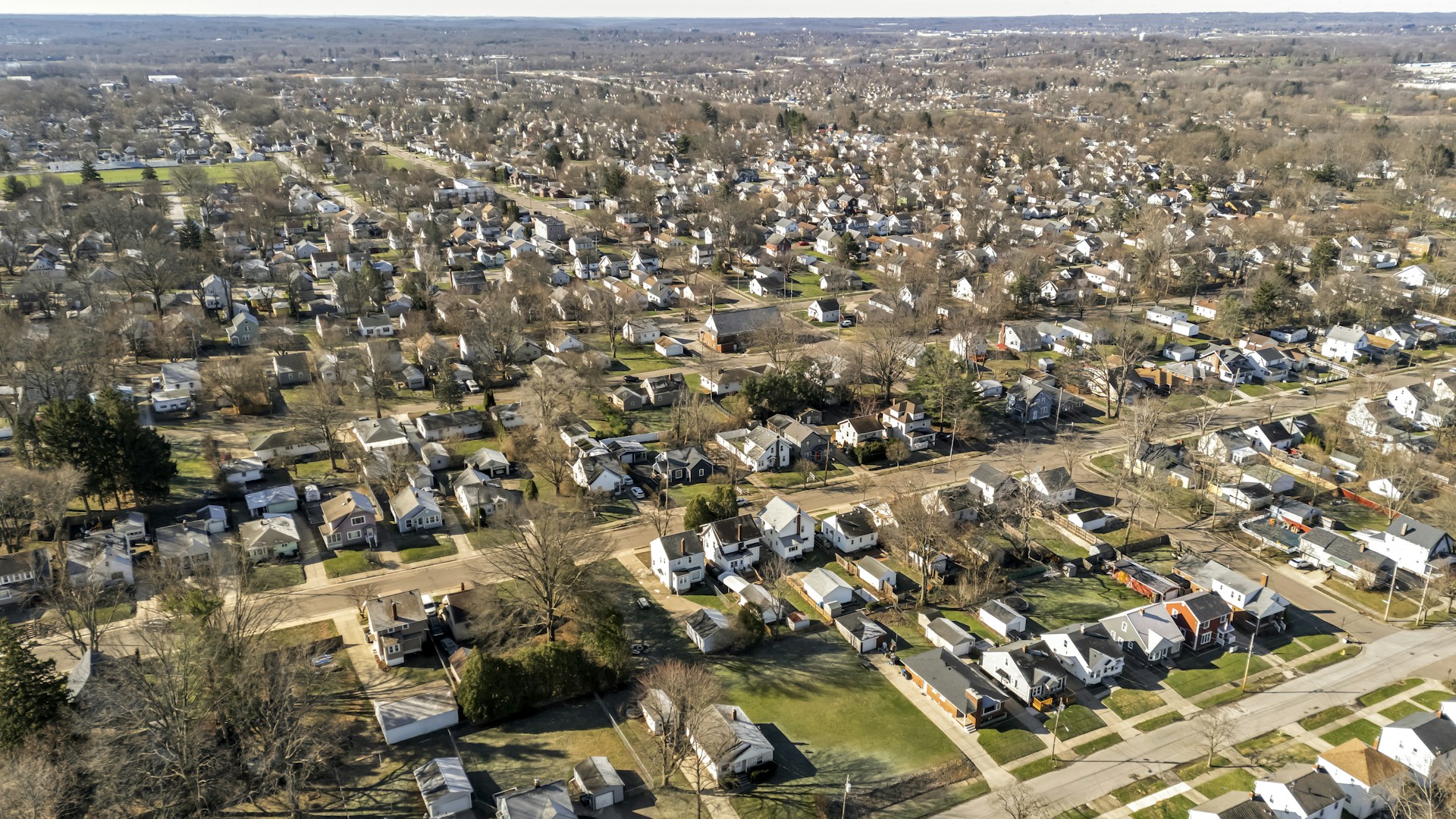
The figures come from the National Association of Realtors’ third quarter 2026 metro report, released Oct. 29, 2026.
The national median single-family home price came in at $432,900. That is a small step up from a year ago, and it hides a lot of variation underneath.
Prices Rose In 78% Of Metros, But Fewer Markets Are Hot
The 78% figure is down from 80% in the second quarter. Prices fell in 21% of metros, up from 20% the quarter before.
Double-digit gains, the kind that make headlines, showed up in just 4% of metros, down from 5%. The red-hot years are clearly behind us.
Among the top gainers were Gulfport-Biloxi-Pascagoula at 11.0%, Rochester, New York at 10.9% and Jackson, Mississippi at 10.1%. None of those is on the usual list of famous expensive cities.
The Midwest Posts A 3.6% Gain While The West Slips 0.6%
The regional picture tells the real story. The Northeast median reached $561,500, up 4.0%, while the Midwest median was $342,500, up 3.6%.
The South came in at $374,900, up 1.0%. The West was the priciest region at $629,000, and it was the only one that fell, down 0.6%.
At the very top of the price chart, San Jose led at $1,920,000, followed by Anaheim-Santa Ana-Irvine at $1,470,000 and San Francisco-Oakland at $1,350,900.
“Exceptional Value” Is Where NAR’s Chief Economist Says To Look
Lawrence Yun, NAR’s chief economist, pointed to the heartland. He said, “Many markets in the Midwest offer exceptional value with more affordable homes.”
That is a striking comment from an industry leader, and it is backed by numbers. A Midwest home costs about $90,000 less than the national median and still posted the second-strongest regional gain.
What A Typical Mortgage Payment Costs Against What You Earn
The report also looks at affordability. With 20% down, the typical home carries a monthly payment of $2,251, which is 24.1% of income.
A starter home is a different story. At $368,000 with 10% down, the monthly payment is $2,208 and takes up 36.3% of income.
That is a big gap, and it explains why younger families are struggling. A smaller home with a smaller down payment can cost nearly as much each month as a typical house with a bigger down payment.
Why The Same 1.7% Can Feel So Different Depending On Where You Live
A national average is a bit like the average temperature of the whole country. It is a real number, but it cannot say whether you need a coat.
A homeowner in the Northeast, where the median is $561,500 and up 4.0%, has watched the value of the house climb. A homeowner in the West, where the median is $629,000 and slipping 0.6%, may feel the opposite.
For sellers in markets that are still rising, the report is encouraging, but it is no guarantee. Prices rose in 78% of metros, yet they fell in 21%, which is more than one in five.
That is why a local agent’s advice on recent sales in your own neighborhood is worth more than any headline. Ask for the actual prices of homes that sold near you in the past few months, not just the listing prices.
What The Payment Numbers Mean For Families Starting Out
The comparison between the typical home and the starter home is the most eye-opening part of the report. A starter home at $368,000 with 10% down costs $2,208 a month, which is 36.3% of income.
Many lenders and financial counselors like to see housing costs stay near 28% to 30% of income, so 36.3% is a stretch. It leaves less room for groceries, car repairs and savings.
Grandparents who are able to help sometimes ask how best to do it. A larger down payment gift can bring the monthly payment down, though it is smart to talk to a lender first about how gifts must be documented.
For young buyers, the Midwest numbers may be the most interesting. A lower median price can make the difference between renting for years and owning a home.
A Twist For Retirees Weighing Where To Move
For readers thinking about retirement, the numbers raise an interesting question. If you own a home in a pricey region, selling and moving to a more affordable market could free up cash for a more comfortable retirement.
But a lower price is only part of the picture. Property taxes, homeowners insurance, winter heating costs and the distance to your grandchildren all belong in the math.
A smart way to test a new town is to rent for a season before you buy. Live there during the toughest weather, visit the doctor’s office, learn the grocery stores and see whether the neighbors feel like your kind of people.
If you plan to stay put, the numbers are still useful. Rising prices in most metros mean the equity in your home has probably held up, and that can matter if you are thinking of a home equity loan for repairs.
The bottom line is that national averages hide local stories. Whatever the headline says, the only price that matters is the one on the home you are actually looking at.
Leave a Reply