Imagine driving out to your own five acres, the land you have owned for about three years, and finding a lock on the gate. That is what happened to a landowner in a video from Yak Motley, and she says the neighbor all but admitted to doing it.
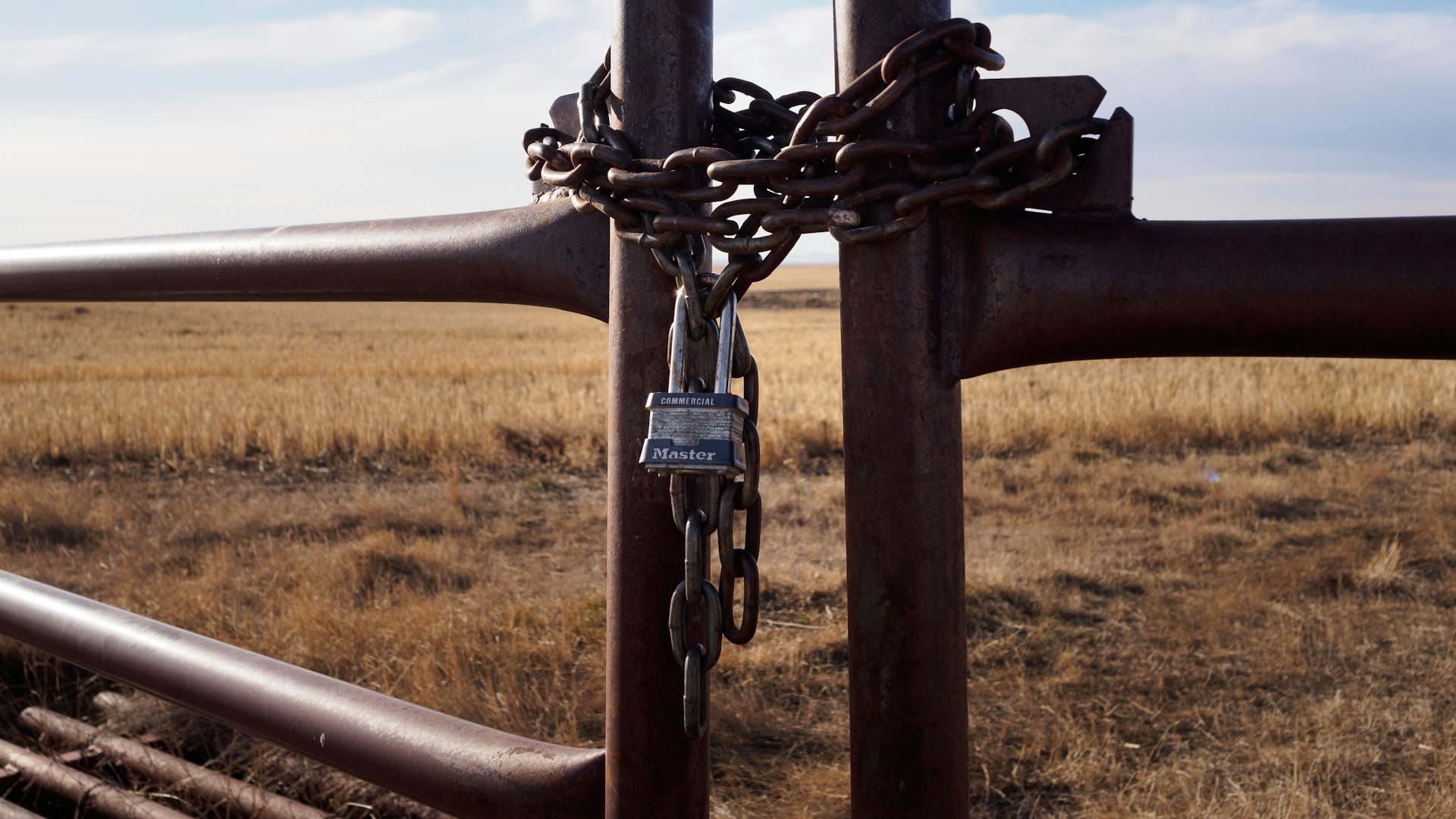
“I’ve got to get permission from my neighbors to visit my own land,” she says. It is the kind of line that makes any property owner sit up straight.
“I Own This Five Acres” Meets “You Can’t Come Through Here”
Here is how she tells it. She had not been to the land in roughly a year, and she went with her videographer to film. A neighbor came storming down the driveway in her car, asking who they were and saying they could not be there.
The landowner said she owned the property. The neighbor, she says, told her no, she did not, and added that she needed every neighbor’s permission to go through.
The video comes from a real estate professional who goes by Yak Motley. He says he will explain what she should have done, what she could do and what everyone needs to know.
The Gate Is Where The Easement Starts, She Says
The landowner says she checked with the title company and is certain of her rights. According to her, from that gate on, the road is an easement that belongs only to her land and one other landowner who lives in Kentucky.
The neighbor, she says, claimed the road is private and that nobody has permission to use it. The landowner answers that the road stops at the gate and that the easement is deeded to her land.
She says she also confirmed the road is private, which is why she does not understand the lock. She adds that the neighbor, in her telling, objects because she does not want short-term rentals, even though the neighbor lives in a rental herself.
A Deputy Arrives And Says He Cannot Confirm Or Deny
She called the sheriff’s office, and a deputy came out. On the call, she explained that the land is raw, with no physical address, so she gave directions from the nearest intersection.
The deputy had dispatch check coordinates, and dispatch confirmed the property was hers. But when it came to the lock, the deputy stayed out of it.
His suggestion was for her to call a title company while they stood there. She admits she wishes she had brought her paperwork. “It’s like keeping the title to your vehicle in your vehicle,” she says.
“He Who Has A Survey Wins. Who Doesn’t Is Just Talking Out There”
This is where Yak Motley steps in with his advice, and he is blunt. “The only thing that matters is what is in writing,” he says. “If it’s not in writing, it don’t matter.”
He says the thing you need in a situation like this is a survey. He also warns that police officers are not lawyers or real estate agents, and they enforce what they think the law is.
He adds that property law runs deep, and that a road which began as a narrow trail may now be much wider, so a decades-old deed may not settle it. That is one reason he says surveys get updated every so often.
Fences, Hearsay And The Judge Who Orders A Second Survey
He explains that a fence in most states is not a marker of a property line, it is just a fence. Sometimes people build on the wrong side, and he says you had better have receipts and video.
If a dispute goes before a judge, he says, the judge may order another survey, and if two surveys conflict, a third. Surveyors can be off by several inches to a foot, he says, so you cannot just pull a map off the county appraiser’s site and call it done.
The same goes for what people say. “He said, she said,” he warns, is hearsay, and that is why everything needs to be in writing.
Film Everything And Keep The Paperwork On Your Phone
His advice is practical. Save the title documents and the survey on your phone so you can show them on the spot.
Film everything. Months later, he says, when memories start to differ, a recording keeps the story straight.
He also suggests telling a deputy plainly, “This is my land. I have a deed access. I’m the owner,” and, where it applies, that it is a civil matter and not a criminal one. If the property is held in an LLC or trust, he notes, you may have to explain that to an officer who may not know what it means.
Why He Says A Lawyer Beats A Showdown
Yak Motley says you have to navigate these fights with a lawyer, not on your own. He says a real estate attorney who works for you is different from a title company, which he says is usually just the transaction person.
He also says some counties will not grant a building permit unless the parcel has its own easement to a county right-of-way. He says he dealt with that once for six months.
And he does not hide his view of how these fights end. It can get expensive, he says, fighting over six inches of dirt, and sometimes the process itself is the punishment.
What To Do Before You Buy Land With A Shared Road
You do not have to wait for a lock to show up. A few steps before closing can spare you a long, costly fight.
- Call the county and ask what you are allowed to build, and ask about deed restrictions and permit rules.
- Hire your own real estate attorney, since a title company is not your lawyer.
- Get a current survey and read the recorded easement language yourself.
- Keep digital copies of the deed, survey and easement on your phone.
- Document every visit, every conversation and every change at the gate with photos and video.
His closing line is the one to remember: “Know these things before you buy.” If a neighbor ever tells you that you cannot reach your own land, the calmest answer is the one with paperwork behind it.
More Stories You May Like
- Inspector Walks Through A Brand New Home And Finds Two Showers That Are Not Watertight, Loose Window Trim And Debris Already In The Drain
- Landowner Tells Neighbor The Deed Shows A 60 Foot Easement Across Lots 14 And 15, Then Asks How They Would Reach Their Own Property Without It
- Former Real Estate Agent Shares 22 Screenshots Of Lazy Landlords, From Painting Over Mold To Using 100 Nails As A Shim On A Closet Rod, Plus A Furnished Bed Swapped For A Folded Lawn Chair
Leave a Reply