For years, the Otten family of South Beloit, Illinois knew what to expect when the utility bills came. Their water bill and their sewer bill each ran about $75 to $150 a month. Not cheap, but steady.
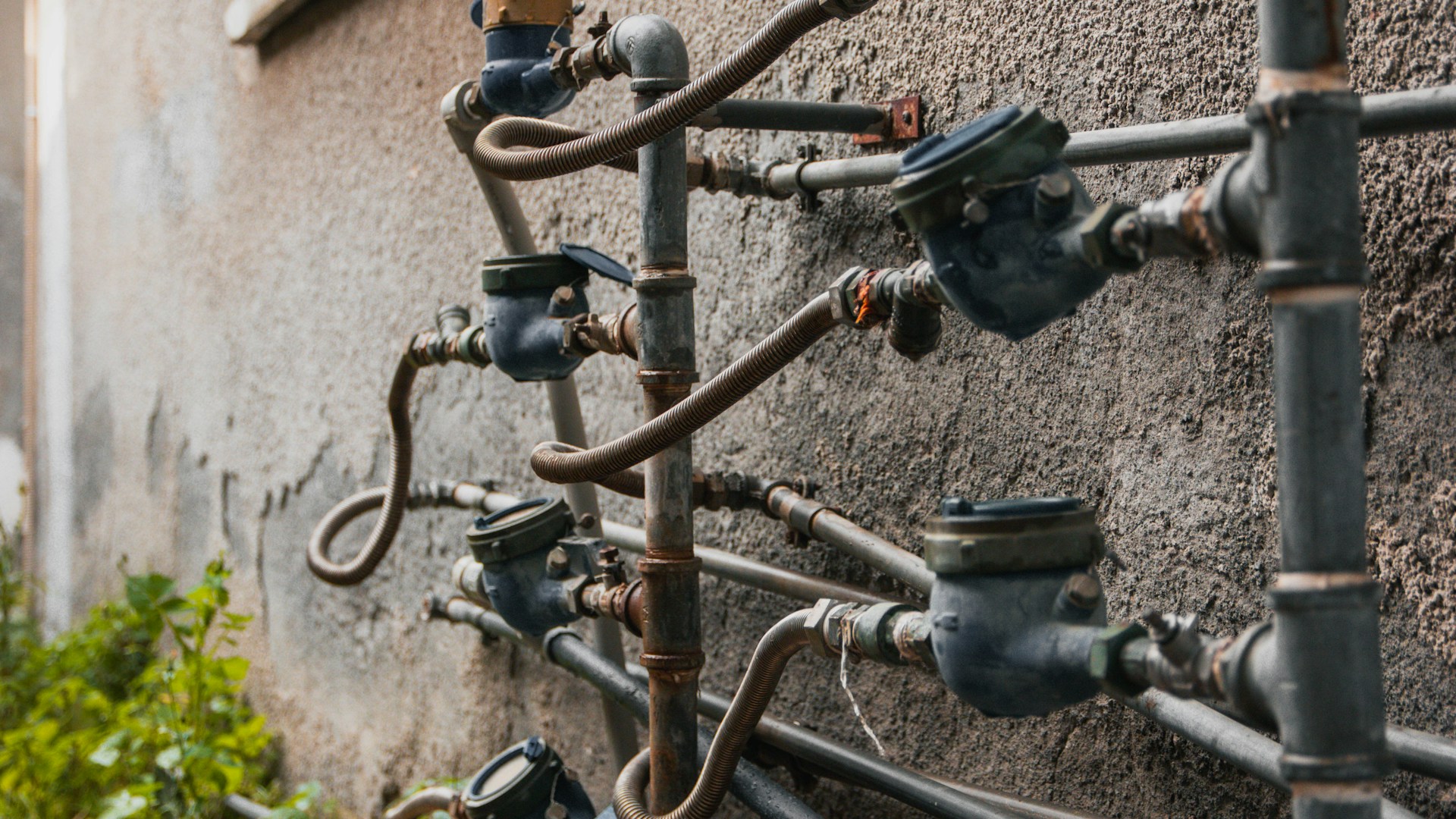
Then, they say, the water company swapped their old meter for a digital one in February 2025. That is when the numbers stopped making sense.
One water bill came in around $600, with sewer charges on top. The family says that was a jump of roughly $1,000 in a single month.
A Jump Of Roughly $1,000, And The Inspections Found No Leak
The first thing most of us would do is hunt for a leak. The Ottens say they did. Inspections found no leak anywhere in the house.
They also ruled out the other obvious suspect. The family says the bill was not from filling a pool.
So the pipes check out, the pool is off the table, and the bill is still several times the normal amount. That is the puzzle they shared in a local interview.
Why They Say They Get Hit Twice
Here is the part that makes the Ottens especially upset. They say the water company sends its numbers to the sewer company. That means a high water reading does not just raise the water bill. It also raises the sewer bill, which is based on the same figure.
By their account, they get hit twice for the same number. If the number is wrong, the mistake doubles.
That is a common setup. In many places, sewer charges are tied to how much water a household uses. It is a fair system when the reading is accurate. When the reading is questioned, the family can end up with two inflated bills at once.
The Meter Swap Is The Turning Point
The family’s timeline is simple. Normal bills. Digital meter in February 2025. Then the spike.
Their point is that the jump in their bills lines up with the change at the curb, and that no leak or pool explains it. That is the kind of detail utilities should be asked to explain in plain language.
It is also a good moment to remember how much a single reading controls. One number from one device can drive hundreds of dollars in charges.
What To Do When A Water Bill Suddenly Explodes
Rules and dispute procedures differ by utility and by state, so check your own bill and your utility’s website. These are practical, general steps that can help any household.
- Compare your bill to your history. Look at the last 12 months. Note the usage numbers, not just the dollar amount.
- Read the meter yourself. Write down the number, the date and the time. Take a photo of the meter face.
- Do a quick leak test. Turn off every faucet and appliance that uses water, then check whether the meter still moves. A moving dial can point to a hidden leak, such as a running toilet.
- Check the usual suspects. Toilets, outdoor spigots, irrigation systems, water softeners and pools are common culprits.
- Call the utility and ask for a meter test or re-read. Ask in writing too, and ask what the procedure and any fee would be.
- Ask about both bills. If sewer charges are based on water use, ask the sewer provider how it calculates them and whether it can adjust them if the water reading is corrected.
- Keep every record. Save bills, photos, inspection reports and the name of each person you talk to.
- Escalate if needed. Many places have a public utility regulator or local board you can contact if you are not getting answers.
Why Digital Meters Make People Nervous
A digital meter replaces the old dial with an electronic display and often sends readings automatically, so nobody has to walk up to the house. Utilities like them because they save time. Customers, understandably, want proof that the new device reads the same way the old one did.
That is a fair thing to ask. A meter is the cash register for your water. If you would double check a grocery receipt that came out five times higher than usual, you should be able to ask the same of a utility bill.
Ask for the date the new meter went in, the reading on the old meter when it was removed, and the first reading on the new one. Those three numbers tell a clear story.
Do Not Just Pay And Hope
When a bill is far out of line, paying it quietly can feel easier than a fight. But a pattern of questions, documented in writing, is the best way to get a real answer. It also protects you if the problem repeats next month.
Many homeowners also find it helpful to keep a simple notebook near the meter or in the kitchen drawer, with a reading every month. It takes two minutes and gives you proof of what normal looked like.
The Ottens are still looking for an explanation. Their story is a good reminder that a quiet household can get a very loud bill, and that the best response is calm, careful and on paper.
More Stories You May Like
- Homeowner Digs Up His Own Yard Hunting A Leak Behind $19,000 Water Bills, Then Finds The Seller’s Supposed Replacement Line Was The Problem
- Homeowner With About 60,000 Synchronized Christmas Lights Is Fined $100 And Sues His HOA After It Rejected His Offer To Run At 30% Brightness
- Condo Sellers Now Outnumber Buyers By 123% The Widest Gap On Record, With 37% Of Condos Cutting Their Price And Redfin Calling It An Opportunity
Leave a Reply