A letter dated September 1 landed in the mailbox of Martin Sims, a homeowner in the English Mountain community in Sevier County, Tennessee. It came from the English Mountain Property Owners Association, and its message was blunt: unpaid assessments could lead to liens against the property.
Sims says the amount the association wants is $655. He says he was also told the property could be put up for auction in 90 days. For a bill that size, that is a very big stick.
According to a local investigation that sat down with homeowners, the paperwork behind the demand is the strange part. The community’s own covenants, as described in the report, call the dues voluntary.
The Community Has No Pool, No Clubhouse, And No Public Grounds
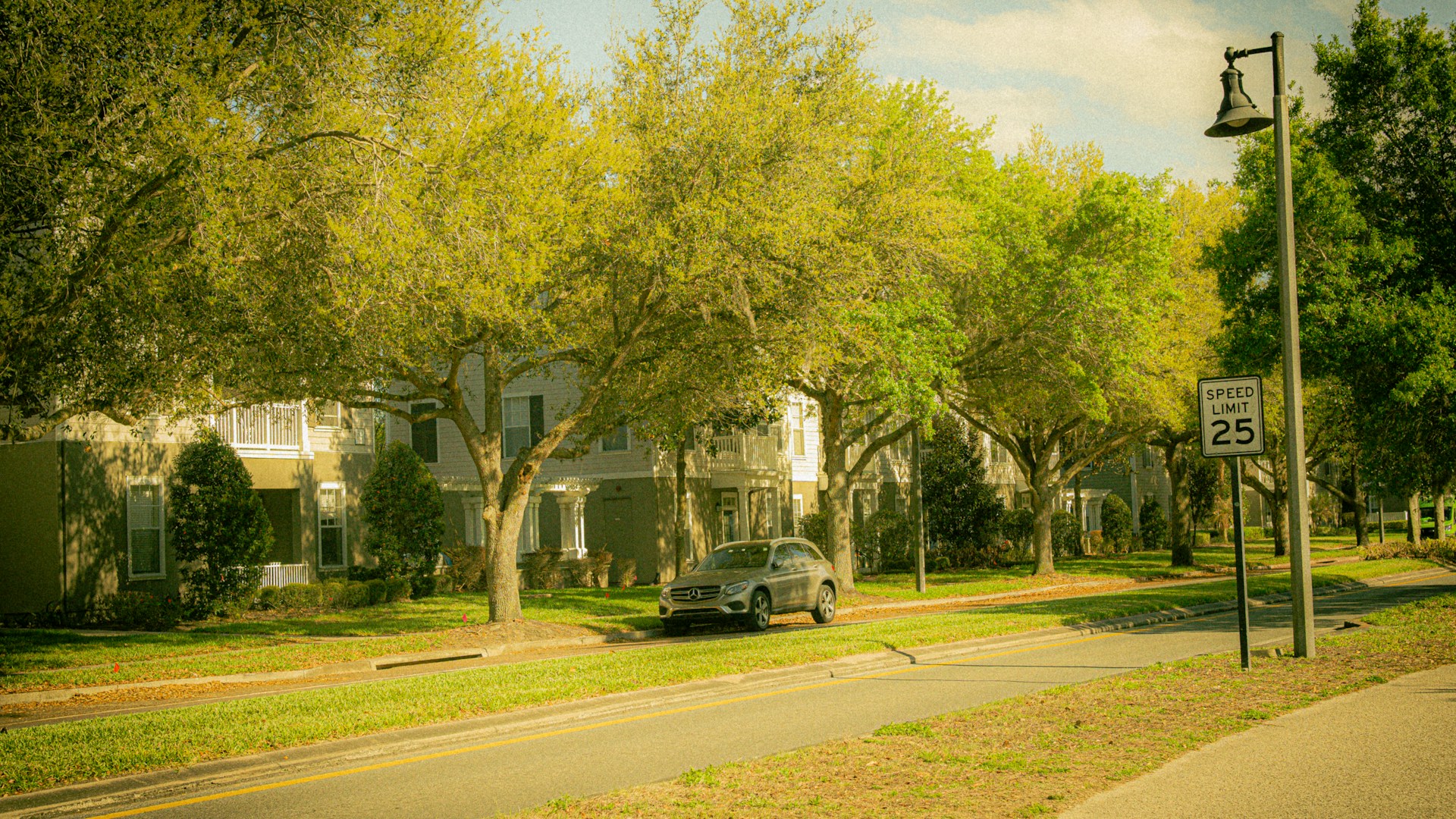
Most homeowners associations sell themselves on shared amenities. Think of a swimming pool, a clubhouse for birthday parties, a walking trail, or a manicured entrance. English Mountain has none of that, according to the investigation.
No pool. No clubhouse. No public grounds. The association mainly handles roads, and that is where the trouble with at least one neighbor began.
So a family is being told to pay money that the covenants describe as optional, to a group that runs no amenities, under a threat that could cost them the house. You can see why this one has neighbors talking.
“Voluntary” For 25 Years, Then He Asked About A Road
Bill Johnson, another English Mountain homeowner, tells a story that makes the dispute personal. He says he voluntarily paid nearly $2,000 over 25 years. That is a long stretch of being a good neighbor.
Then he stopped. Johnson says the board told him that a road he had asked about would never be fixed. In his view, that answer changed the deal. If the dues are for roads, and the road he raised is not getting repaired, why keep writing the check?
It is a fair question, and it is the kind that lands on kitchen tables across the country. People will pay a fee when they see something for it. They get cranky when the fee keeps coming and the pothole stays put.
Why A Small Bill Can Still Be A Big Deal
Property owners associations get their power from documents that are recorded against the land, usually called covenants, conditions and restrictions. Those documents are the rulebook. What they say about dues, and whether they are mandatory or optional, matters more than what any letter says.
A lien is a legal claim on a property for a debt. It can complicate a sale or a refinance, because a title company will want it cleared before closing. Even a lien for a few hundred dollars can cause headaches that cost far more than the original bill.
That is why homeowners in a dispute like this one are wise to treat the letter seriously, even if they think the association is wrong. Ignoring a notice is rarely a winning strategy. Reading it carefully and answering it in writing usually is.
What To Do If Your Association Sends A Letter Like This
Rules about associations, liens and foreclosure differ from state to state, and from one community to the next. So the steps below are general common sense, not legal advice for any single situation. If real money or your home is on the line, a local real estate attorney is worth a call.
- Find your recorded covenants. Your county recorder or register of deeds office keeps them, and your closing paperwork should include a copy. Read the section on assessments word by word.
- Look for the words “mandatory” or “voluntary.” Also look for how dues can be collected and what the document says about liens.
- Ask for a written breakdown. A request for an itemized statement of what you owe, and what the money pays for, is reasonable.
- Answer in writing and keep copies. Send letters in a way that gives you proof of delivery, such as certified mail.
- Keep your own record of the road, the ditch or the sign. Dated photos of anything you reported and the answer you received can help your case.
- Do not ignore deadlines. If a letter names a number of days, mark the date on your calendar and respond before it arrives.
The Bigger Lesson For Anyone Buying A Home
Before you buy, ask whether the neighborhood has an association at all, and whether membership and dues are required or optional. The answer should be in the documents, not just in a neighbor’s memory. It is far easier to learn that before closing than after a lien letter shows up.
If you already own, take an hour this week to find your covenants and read them. Know what you are obligated to pay, what the group is obligated to do, and how disputes get settled.
For Sims and Johnson, the question is simple, and it is the one many homeowners ask when a bill seems out of step with what they get. If the covenants call the dues voluntary and there is no pool, no clubhouse and no public grounds, what exactly gives an association the right to threaten an auction over $655? That is the argument these Tennessee neighbors are making, and plenty of other homeowners will be watching how it ends.
More Stories You May Like
- Yard Guy Mows A Wildly Overgrown Lawn For Free Over 4 Days, Gets Kicked Off The Property, Then Learns The Homeowner Is Threatening To Sue Him
- Homeowner Explains Why Buying In An HOA Neighborhood Means Mandatory Dues And Rules Plus A $150 Ticket For Long Grass, And Says He Would Never Live In One
- HVAC Tech Says Check The Thermostat Batteries, A Water Filled Pan Under The Furnace And A Dirty Filter Before You Pay For A Service Call, Because It May Be A Frozen Drain
Leave a Reply